UUP Leader Jon Burrows to Name New Stormont Health Minister as Assembly Health Committee Convenes Emergency Session
Ulster Unionist Party leader Jon Burrows has committed to naming a replacement for outgoing Health Minister Mike Nesbitt on Thursday, as the Assembly's Health Committee convened an emergency session to address the leadership vacuum left by Nesbitt's resignation — a resignation that has exposed deep tensions within the UUP and raised fresh questions about the stability of the Stormont Executive.
Background
Mike Nesbitt's resignation as Health Minister on Tuesday, August 18, was the culmination of a dispute that had been building for weeks. The immediate trigger was a proposal by the Northern Trust to withdraw emergency general surgery services from the Causeway Hospital in Coleraine — a decision that health trust bosses argued was clinically necessary given staffing pressures and patient safety concerns, but which provoked fierce opposition from local communities and politicians in the Coleraine and north Antrim area.
The dispute became politically explosive when Jon Burrows, who had assumed the UUP leadership earlier in 2026, publicly opposed the Causeway Hospital proposal at a town hall meeting in the area — without, according to Nesbitt's account, informing the Health Minister of his position in advance. Nesbitt discovered his party leader's stance through media reports rather than internal consultation, a breach of political courtesy that he found intolerable.
In his resignation letter, Nesbitt characterised the relationship with Burrows as fundamentally compromised. He cited not only the Causeway Hospital issue but also Burrows's imposition of "red lines" on other health policy matters, including the use of puberty blockers for young people with gender dysphoria. The letter was a remarkable document — unusually candid for a ministerial resignation in the typically guarded world of Stormont politics — and it drew immediate attention from all parties in the Assembly.
Key Developments
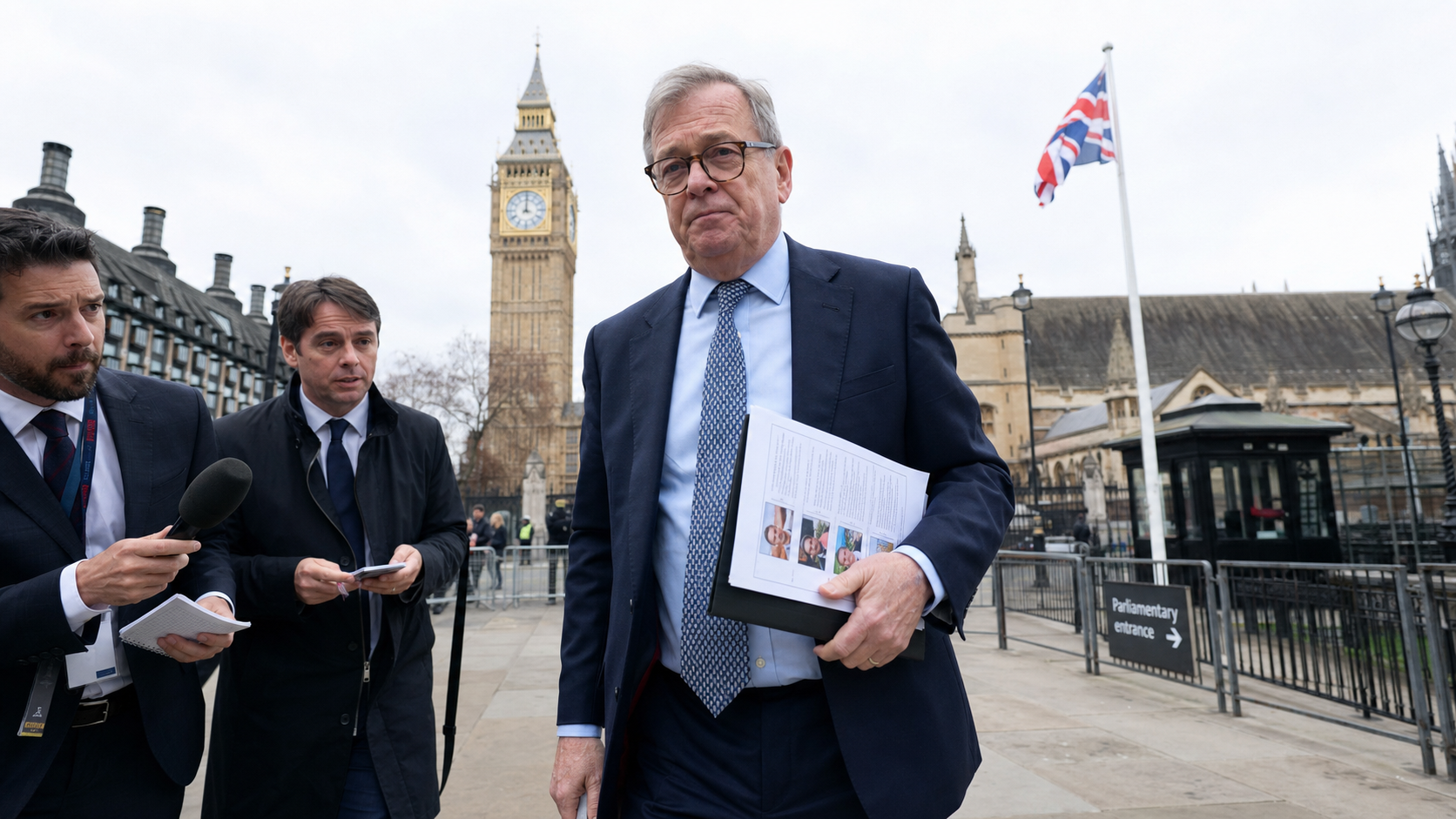
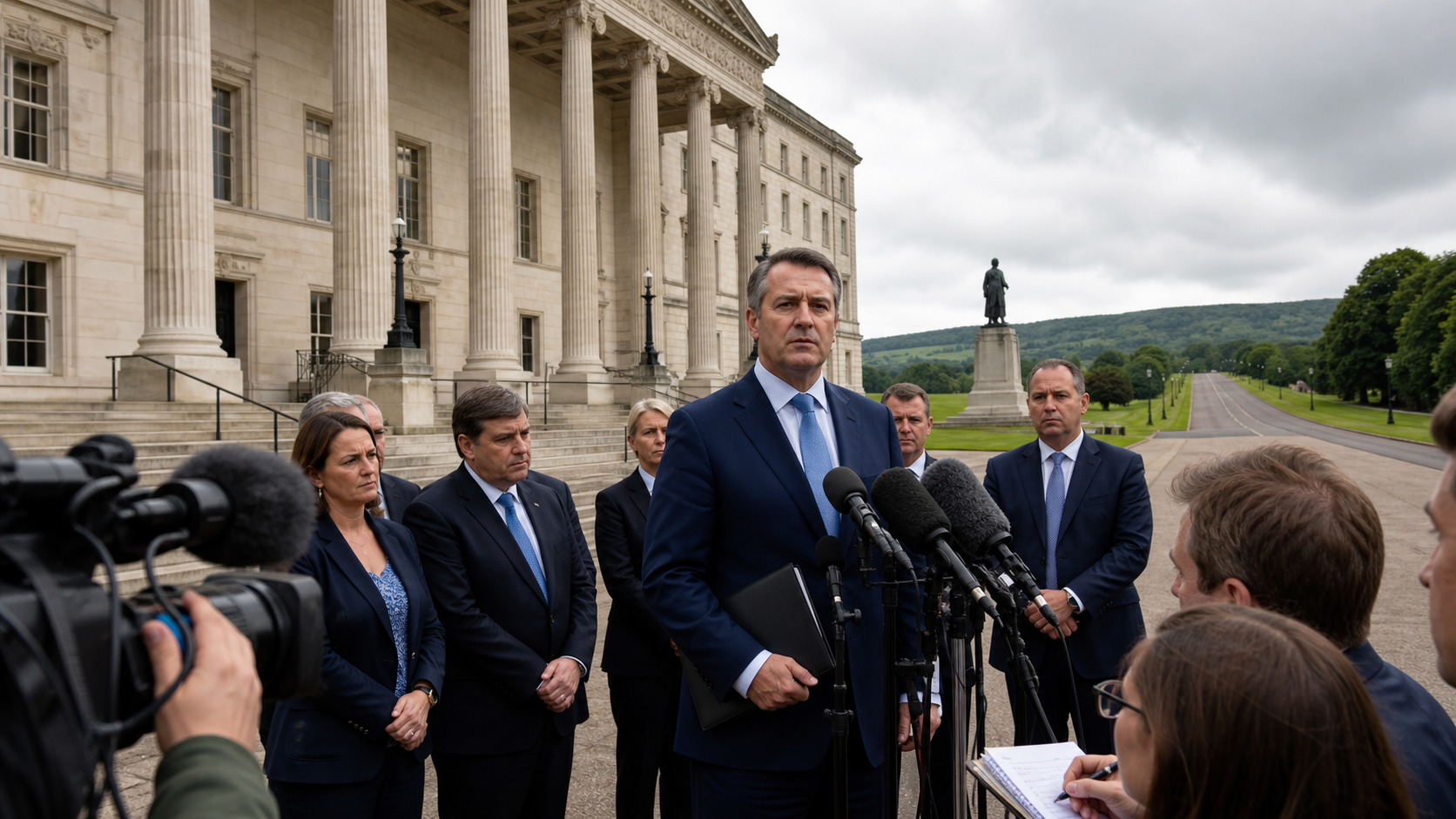
At a press conference on Wednesday, Burrows stated his intention to appoint a successor within 24 hours. He declined to rule himself out as a candidate for the vacancy, despite having previously indicated he would not seek the Health portfolio when he assumed the party leadership. That ambiguity prompted speculation about whether Burrows might take the role himself — a move that would be unusual but not without precedent in Stormont's history of ministerial reshuffles.
DUP leader Gavin Robinson described Nesbitt's resignation as a "setback" for the Executive and indicated that if the UUP failed to nominate a replacement within the required timeframe, the DUP would be the next party in line to claim the portfolio under the d'Hondt allocation mechanism. That warning added urgency to Burrows's deliberations, as losing the Health Ministry to the DUP would represent a significant political blow to the UUP.
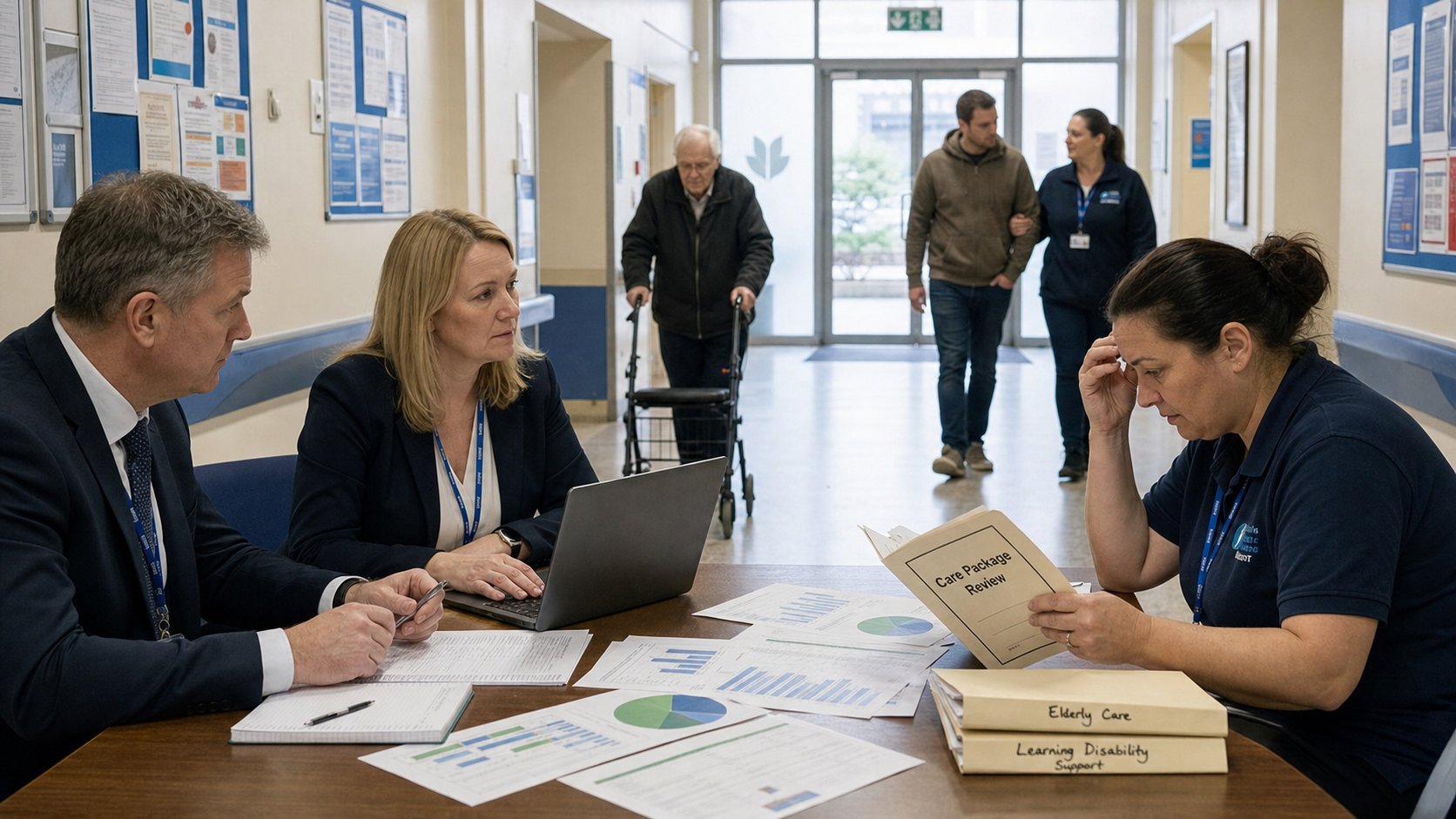
The Assembly's Health Committee convened an emergency session on Thursday morning to assess the situation and hear from departmental officials about the continuity of health policy in the absence of a minister. Senior civil servants in the Department of Health confirmed that day-to-day operations would continue uninterrupted, but acknowledged that major policy decisions — including the Causeway Hospital question — would need to await the appointment of a new minister.
Why It Matters
The Nesbitt resignation is the latest in a series of political crises that have tested the resilience of the Stormont Executive since its restoration. The Health portfolio is arguably the most demanding in the Executive, encompassing the management of a health service that faces chronic underfunding, a waiting list crisis that is among the worst in the United Kingdom, and a workforce under sustained pressure. The departure of an experienced minister at a critical juncture — with winter planning already under way and the Causeway Hospital question unresolved — is a significant disruption.
The episode also raises broader questions about the internal dynamics of the UUP under Burrows's leadership. Nesbitt's resignation letter suggested a party in which the leader and the minister were operating without adequate communication — a structural problem that will need to be addressed regardless of who takes the Health portfolio. The UUP's credibility as a party of government depends on its ability to manage these tensions internally rather than allowing them to spill into public view.
For the wider Stormont system, the episode is a reminder of the fragility of an Executive built on mandatory coalition. Unlike voluntary coalitions, where parties choose to govern together on the basis of shared policy platforms, the Stormont Executive requires parties to participate regardless of their policy differences. That structure creates inherent tensions that can, as this week has demonstrated, produce sudden and destabilising ministerial departures.
Local Impact
For patients and staff at the Causeway Hospital in Coleraine, the ministerial vacuum creates uncertainty about the future of emergency general surgery services. The Northern Trust's proposal to withdraw those services has not been formally approved or rejected, and the absence of a minister means that the decision is effectively in limbo. Patients in the Coleraine, Ballymoney, Moyle, and Limavady areas who rely on the Causeway for emergency surgical care will be watching the appointment of a new minister closely.
Across the wider Northern Ireland health service — encompassing the Belfast, South Eastern, Southern, Western, and Northern trusts — the disruption is felt primarily at the level of policy continuity. The Health Minister's role in approving major service changes, signing off on capital projects, and representing the department at Executive level means that a vacancy, even a brief one, has practical consequences for the pace of decision-making.
What's Next
Burrows is expected to name a new Health Minister on Thursday, with the appointment subject to formal nomination to the Assembly. The new minister will face an immediate in-tray that includes the Causeway Hospital question, the ongoing waiting list crisis, and the broader challenge of stabilising a health service that has been under sustained pressure for years. The Assembly's Health Committee has indicated it will seek an early meeting with the new minister to discuss priorities and timelines.