High Court Quashes Parades Commission Drumcree Ruling in 'Seismic' Legal Victory for Orange Order
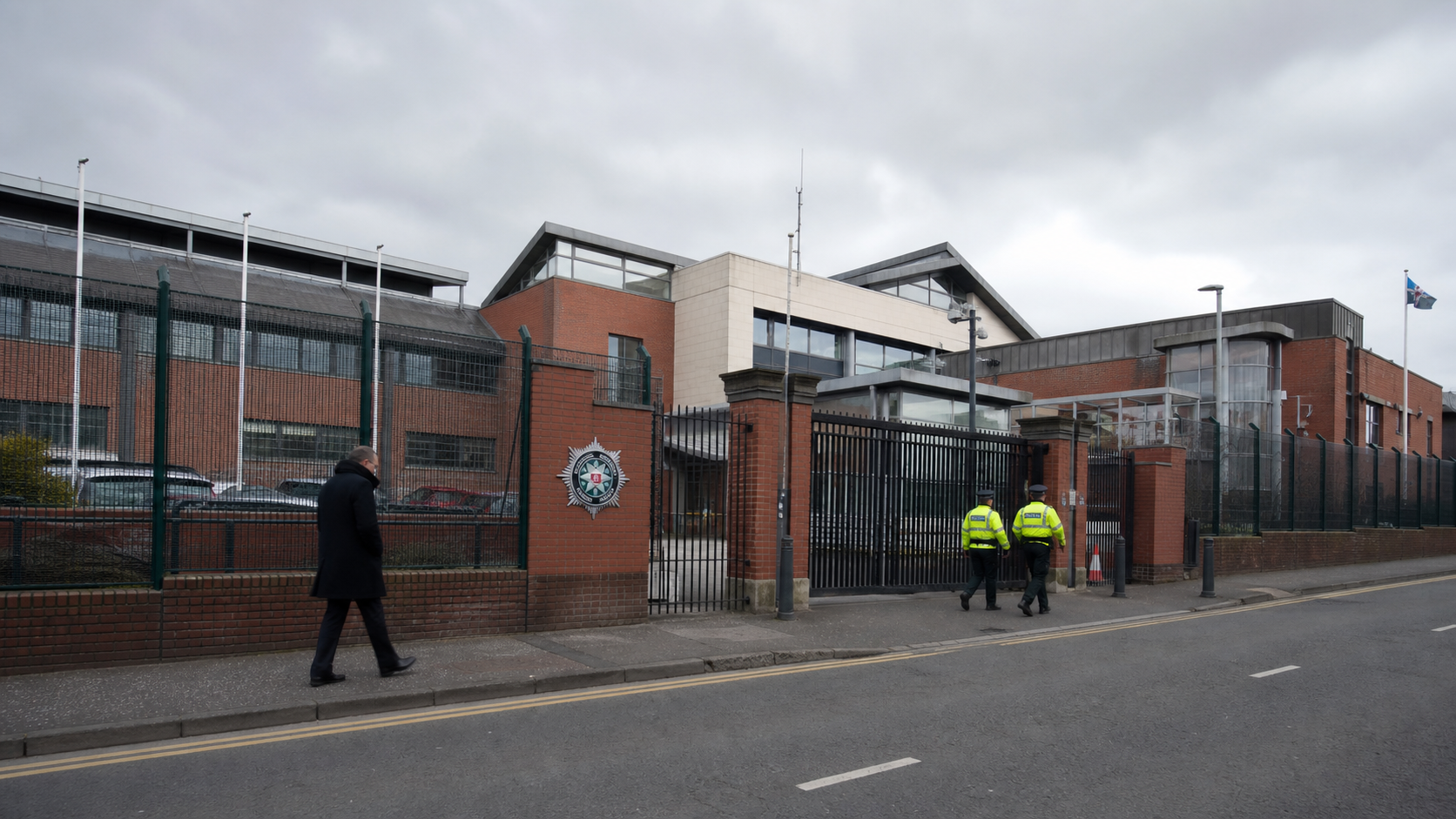
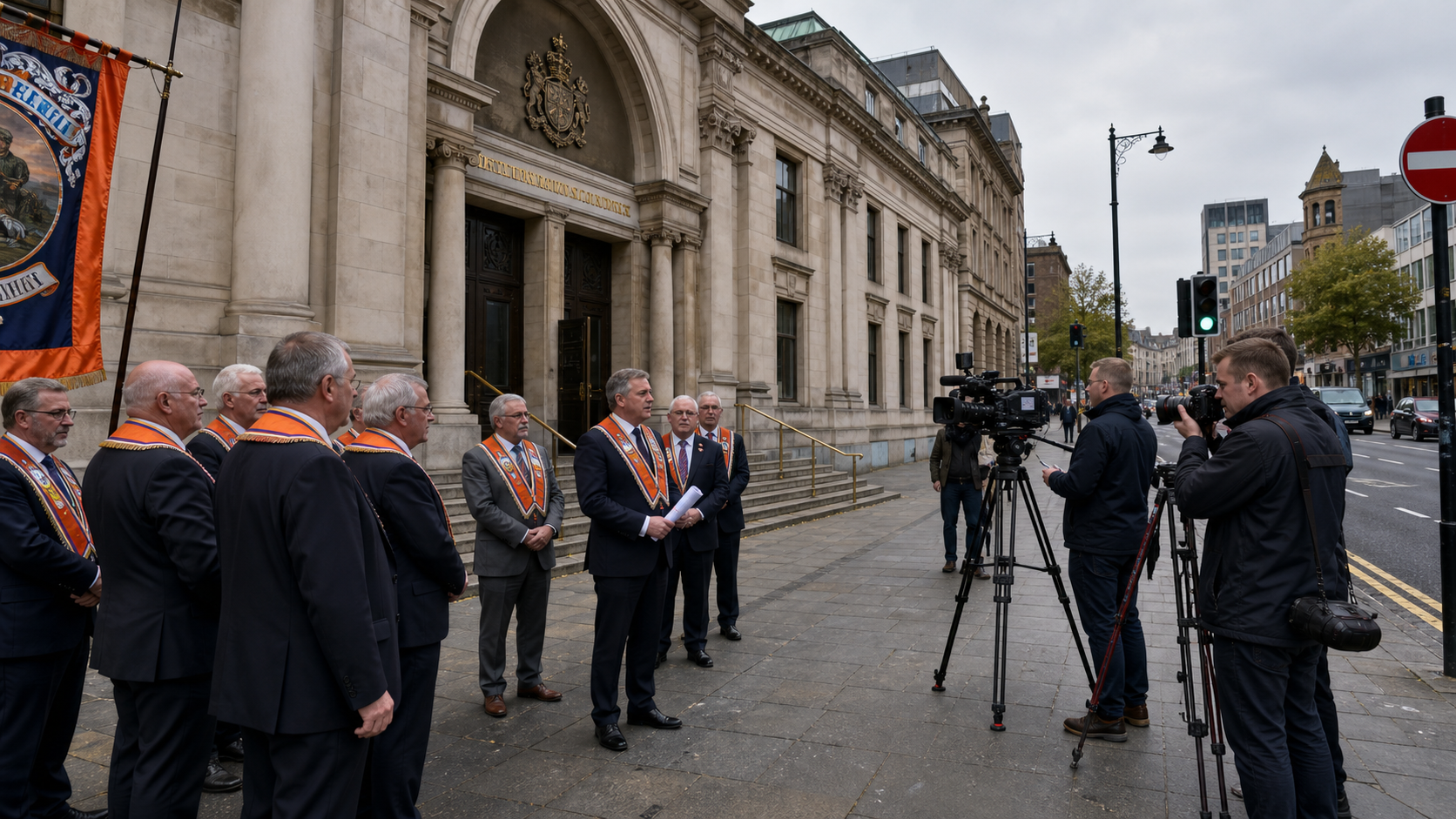
The High Court in Belfast has quashed a Parades Commission determination restricting the Orange Order's annual parade at Drumcree, Portadown, after the watchdog conceded a fundamental procedural failure — the final determination had not been considered or signed off by all six of its commissioners before being issued, a flaw that Mr Justice McAlinden described as a case that "does not stand up to any scrutiny at all."
Background
The Drumcree dispute is one of the most enduring and politically charged flashpoints in Northern Ireland's post-conflict landscape. The Orange Order has sought to march along the Garvaghy Road in Portadown — a predominantly nationalist area — as part of its annual parade from Drumcree Church since the 1990s. The route has been prohibited since 1998, when violent confrontations between marchers, residents, and security forces resulted in deaths and widespread disorder that shocked the international community.
The Parades Commission, established under the Public Processions (Northern Ireland) Act 1998, has the statutory authority to impose conditions on or prohibit parades that it determines pose a risk to public order or community relations. Its determinations on Drumcree have consistently restricted the parade from proceeding along the Garvaghy Road, a position that the Orange Order and its political allies have contested through legal and political channels for nearly three decades.
The 2026 legal challenge was brought by a Portadown Orangeman who argued that the Commission's decision-making process was procedurally flawed and breached his rights under the European Convention on Human Rights. The Commission, in an unusual concession, acknowledged that the final determination had not been properly reviewed and signed off by all six members of the authority before it was issued.
Key Developments
Mr Justice McAlinden presided over the hearing and formally quashed the Commission's determination, ordering the body to pay costs. Counsel for the applicant, John Larkin KC, criticised the Commission for what he termed a "scandalous abdication of responsibilities," citing evidence that some commissioners had not properly reviewed the final determination. The challenge also included allegations that commissioners were influenced by an anonymous online commentator using the pseudonym "Choyaa" and failed to properly consider representations from local DUP MP Carla Lockhart.
The ruling does not automatically permit a parade along the Garvaghy Road. The Orange Order must submit a fresh application for any future march on the route, and the Commission retains the authority to impose conditions or restrictions based on the available evidence and legal framework. The Commission stated it has already implemented procedural changes to address the identified failures and emphasised that the ruling does not affect its future decision-making capacity.
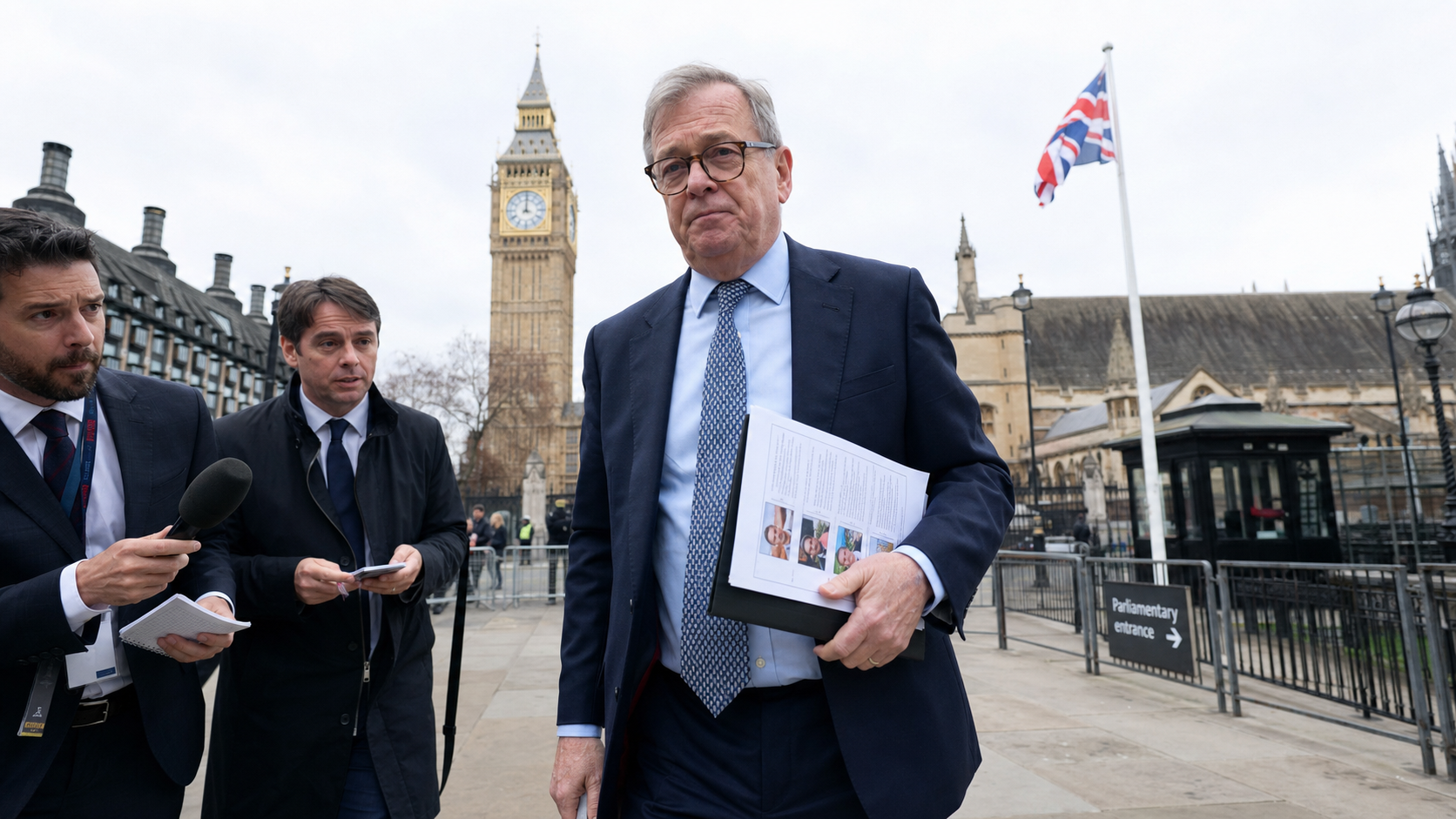
Northern Ireland Secretary Sir Chris Bryant stated that the Commission "simply can't function" without the respect of all communities and announced he would meet with the Commission chair as a priority to address procedural integrity. DUP MP Carla Lockhart and TUV leader Jim Allister described the ruling as a "seismic" or "totemic" victory and called for the resignation of the current commissioners. Sinn Féin MP John Finucane stated that his party's position remained unchanged — there is "no logic or justification" for the parade to proceed down the Garvaghy Road.
Why It Matters
The procedural failure at the heart of this ruling is damaging to the Parades Commission's credibility at a moment when its authority is already contested by significant sections of the unionist community. The Commission was established as a neutral arbiter of one of Northern Ireland's most sensitive political questions, and its legitimacy depends on the perception that its processes are rigorous, transparent, and fair. A finding that a determination was issued without all commissioners having properly reviewed it undermines that perception in a way that will be difficult to repair quickly.
The ruling also reopens a political wound that many had hoped was healing. Drumcree was the site of some of the worst disorder of the Troubles era, and the prospect of renewed legal and political battles over the route carries risks that extend well beyond the immediate parties to the dispute. Unlike the Twelfth of July parades in Belfast, which have been managed through a combination of mediation and rerouting, Drumcree has never been resolved through dialogue — a failure that reflects the depth of the underlying community division in the Portadown area.
Local Impact
For residents of the Garvaghy Road area in Portadown, the ruling will be received with deep concern. The Garvaghy Road Residents' Coalition has consistently opposed the parade on the grounds that it is experienced as an assertion of dominance over a nationalist community. For the Orange Order and its supporters in the wider Portadown area, the ruling represents a vindication of their argument that the Commission has not applied its own procedures fairly. The prospect of a fresh application and a new determination process means that the dispute is unlikely to be resolved before the 2027 marching season.
What's Next
The Parades Commission has been ordered to pay costs and has confirmed it will implement the procedural reforms identified by the court. The Orange Order is expected to submit a fresh application for the Drumcree parade in advance of the 2027 marching season. NI Secretary Chris Bryant has scheduled a meeting with the Commission chair for early September. A Stormont Assembly debate on the future of the Parades Commission is expected to be tabled by unionist parties in the autumn session.