Gregory Campbell Under Investigation by Parliamentary Expenses Watchdog Over Office Costs
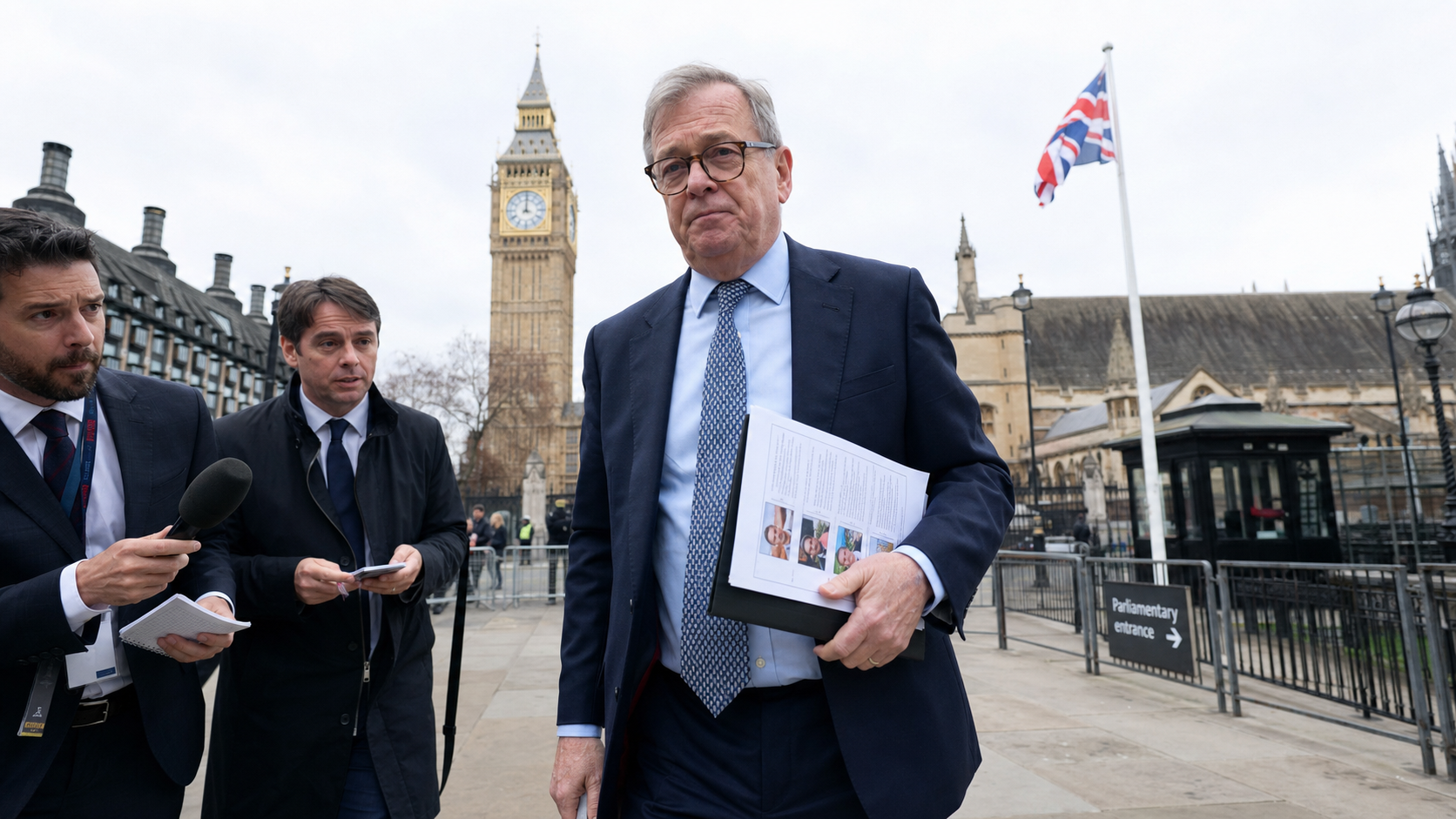
The Independent Parliamentary Standards Authority has launched a formal investigation into Democratic Unionist Party MP Gregory Campbell over alleged breaches of parliamentary spending rules, focusing on expenditure on printed constituency cards, signage, and bought-in services — making him the first Member of Parliament to face a new IPSA investigation in 2026.
Background
Gregory Campbell has served as the MP for East Londonderry — a constituency that encompasses Coleraine, Limavady, and the rural hinterland of the north-west — since 2001, making him one of the longest-serving DUP representatives at Westminster. He has held a number of senior roles within the party, including serving as its Westminster spokesperson for international development and the Cabinet Office, and has been a consistent voice on issues ranging from Troubles legacy legislation to cross-border trade arrangements.
The Independent Parliamentary Standards Authority was established in 2009 in the wake of the Westminster expenses scandal, with a mandate to regulate MPs' pay, pensions, and business costs independently of Parliament itself. IPSA operates a Scheme of MPs Staffing and Business Costs that sets out what expenditure is permissible and under what conditions. Investigations are triggered when IPSA has reason to believe that an MP has been paid amounts under the scheme that should not have been permitted.
Campbell is not the first Northern Ireland MP to face scrutiny over expenses. The broader Westminster expenses culture has periodically drawn in MPs from across the political spectrum, and IPSA has conducted investigations into members from multiple parties in recent years. However, the specific focus on constituency communication materials — cards, leaflets, and signage — is relatively unusual and reflects IPSA's increasing attention to the boundary between legitimate constituency service and political campaigning.
Key Developments
IPSA announced the formal investigation on Tuesday, August 25, confirming that it is examining whether Campbell was paid amounts under the Scheme of MPs Staffing and Business Costs that should not have been permitted. The probe focuses specifically on expenditure related to printed constituency cards, signage, and bought-in services. IPSA stated that no further information regarding the investigation would be released until the process has concluded.
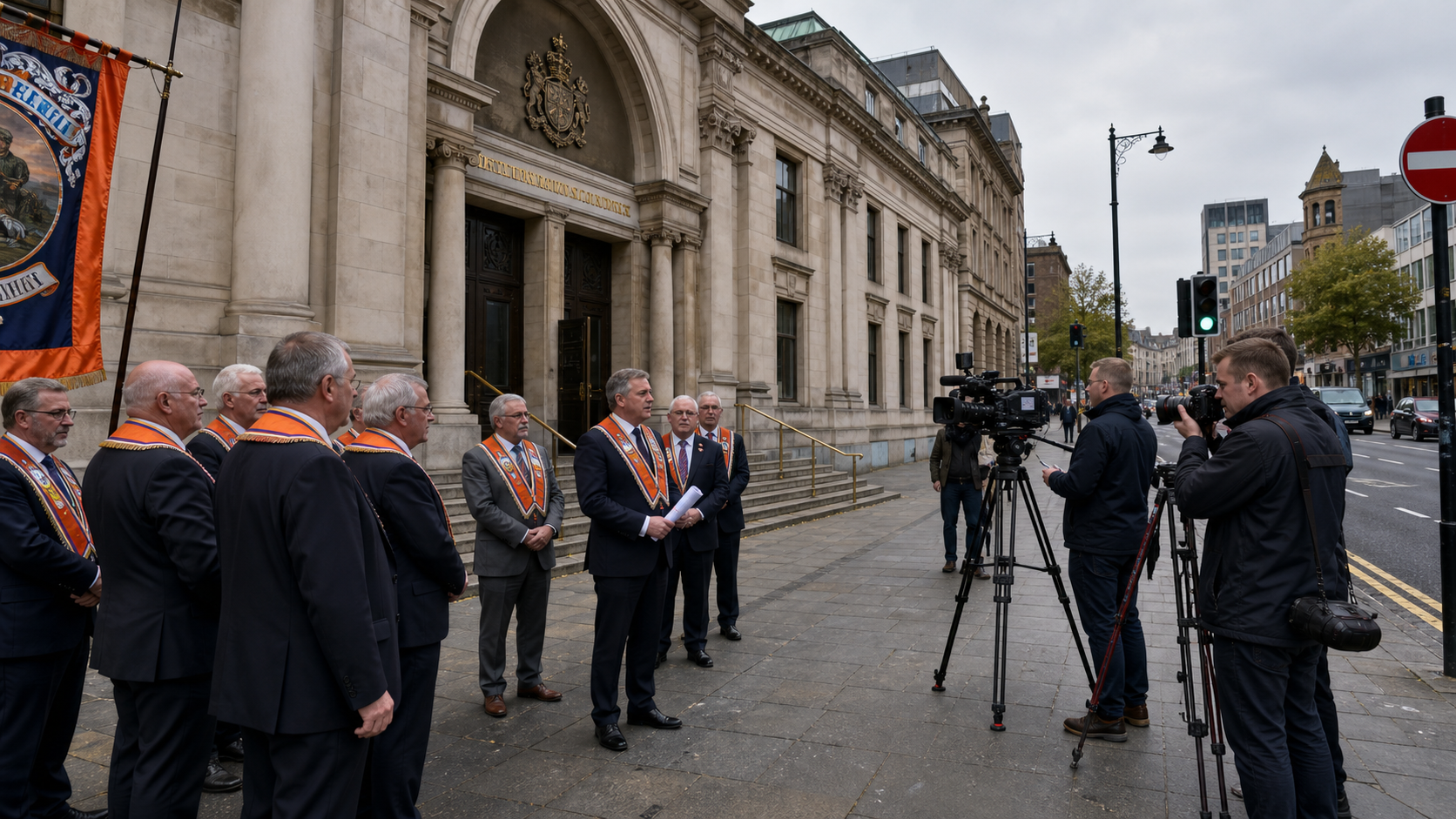
In response, a DUP spokesperson characterised the complaint as "politicised" and emphasised that Campbell has been an active constituency representative for twenty-five years and maintains one of the lowest costs among Northern Ireland MPs. The party confirmed that the complaint pertains to information cards and advice leaflets that Campbell distributes to constituents on a weekly basis, and that he has already provided information regarding these matters to the authorities. Campbell intends to fully cooperate with the investigation and will refrain from further comment while the process is ongoing.
The investigation is the first new IPSA inquiry of 2026, following cases involving other MPs in 2025. IPSA previously investigated Labour MP Kate Osborne and Geoffrey Robinson, while clearing Labour MP Tahir Ali of wrongdoing in a separate case.
Why It Matters
The investigation arrives at a sensitive moment for the DUP, which is navigating a period of internal recalibration following the resignation of Mike Nesbitt from the Ulster Unionist Party leadership and the broader realignment of unionist politics in Northern Ireland. Any suggestion of financial impropriety — even if ultimately unfounded — carries reputational risks for a party that has positioned itself as a defender of traditional values and accountability in public life.
The specific focus on constituency communication materials raises a question that is relevant to MPs across all parties: where does the line fall between legitimate use of parliamentary resources to communicate with constituents and the use of those resources for political purposes? IPSA's rules are designed to prevent the latter, but the boundary is not always clear-cut, particularly for MPs who maintain high-volume constituency contact programmes. The outcome of the Campbell investigation may have implications for how other MPs approach their constituency communication budgets.
For East Londonderry constituents, the investigation is unlikely to affect Campbell's day-to-day representation in the short term. IPSA investigations can take several months to conclude, and Campbell has indicated he will continue his work as normal throughout the process. However, the political optics of being under investigation by the expenses watchdog are rarely comfortable for any MP, regardless of the eventual outcome.
Local Impact
East Londonderry is a constituency with a complex political geography, encompassing the predominantly unionist coastal towns of Coleraine and Portstewart alongside the more mixed communities of Limavady and the rural Sperrins. Campbell has maintained a strong personal vote in the constituency over more than two decades, and his supporters argue that his high-volume constituency communication — the very activity under scrutiny — is a reflection of his commitment to constituent service rather than any improper use of public funds. The DUP's local association has expressed full confidence in Campbell and has urged IPSA to conclude its investigation promptly.
What's Next
IPSA has confirmed it will not release further details until the investigation is complete. There is no fixed timeline for IPSA investigations, though the watchdog has indicated it aims to conclude cases within six months of opening. Campbell is expected to submit a formal response to IPSA's queries within the coming weeks. If IPSA finds a breach, it can require repayment of the relevant amounts and publish its findings. If it finds no breach, the investigation will be closed and a brief statement issued.