Dozens of Belfast Passengers Stranded in Tunisia After Flight Cancellation
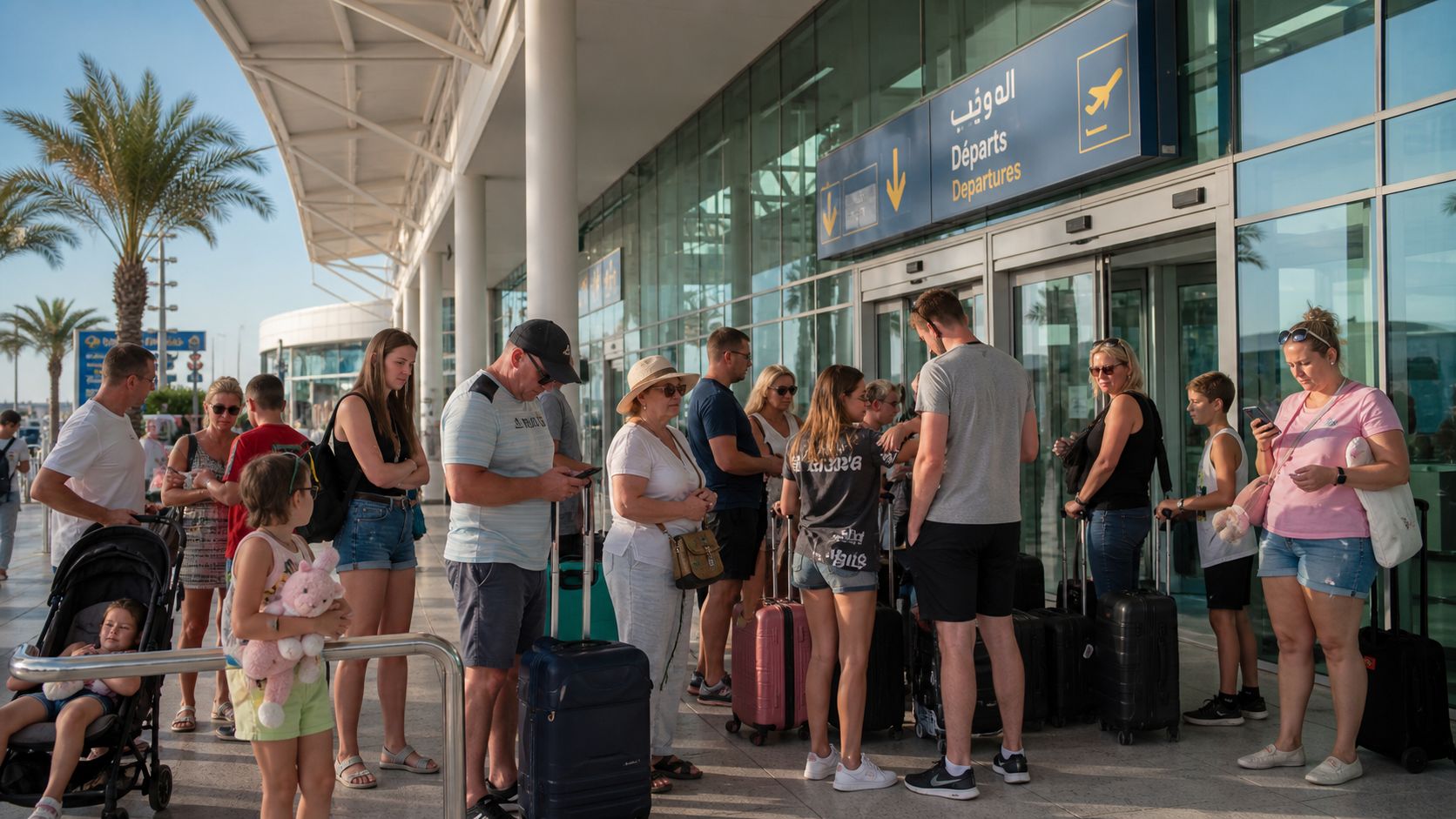
Dozens of passengers who travelled from Belfast to Tunisia for their summer holidays are stranded abroad after their return flight was cancelled, leaving families with young children, elderly travellers, and people with medical needs unable to get home — with many reporting that they received no adequate notice, no alternative flights, and no clear guidance from the airline or tour operator responsible.
Background
Charter flights connecting Belfast International Airport to North African and Mediterranean holiday destinations have grown significantly in popularity over the past decade, driven by competitive pricing and the appeal of direct routes that avoid the need to transit through Dublin or London. Tunisia, with its combination of affordable resorts, warm climate, and cultural attractions, has become a particularly popular destination for Northern Ireland holidaymakers, with several operators running seasonal charter programmes from Belfast throughout the summer months.
Charter flight cancellations are not uncommon in the aviation industry, particularly during the peak summer season when aircraft availability is stretched and operational disruptions can cascade across multiple routes. However, the obligations of airlines and tour operators to stranded passengers are clearly defined under EU Regulation 261/2004, which continues to apply in Northern Ireland under the terms of the Windsor Framework. Passengers are entitled to re-routing, accommodation, meals, and communication facilities when flights are cancelled, and to financial compensation in many circumstances.
The Belfast-Tunisia route has experienced disruption before, with a smaller-scale cancellation incident in 2024 prompting complaints to the Civil Aviation Authority. Consumer advocates have argued that charter operators serving Northern Ireland routes have been slower than their counterparts on Republic of Ireland routes to implement robust passenger support systems, partly because the regulatory environment in Northern Ireland sits between UK and EU frameworks in ways that can create confusion about which rules apply.
Key Developments
Passengers reported that they were informed of the cancellation with minimal notice and that the airline's customer service lines were overwhelmed, leaving many unable to reach a representative for hours. Families with young children described sleeping in airport terminals and hotel lobbies, while elderly passengers with medical conditions reported difficulty accessing medication and appropriate accommodation. Several passengers took to social media to document their situation, with the hashtag "StrandedBelfast" trending on Northern Ireland social media platforms throughout Tuesday evening.
One passenger, speaking to BBC Northern Ireland from Tunis-Carthage Airport, said: "We just want to get home. We've been here for two days now with no clear information about when we'll be able to fly. The kids are exhausted and we're running out of money." Another described the experience as "a complete shambles" and said the tour operator had been "impossible to reach."
The Civil Aviation Authority confirmed it was aware of the situation and was in contact with the operator. Belfast International Airport said it was working to assist affected passengers and had made additional staff available at the airport's information desk to help those who managed to make their own way back to Belfast.
Why It Matters
The stranding of dozens of Belfast passengers in Tunisia highlights a persistent vulnerability in the charter flight market that affects Northern Ireland travellers disproportionately. Unlike the Republic of Ireland, where the Commission for Aviation Regulation has developed a robust enforcement framework for passenger rights, Northern Ireland's regulatory position — straddling UK and EU rules — can leave passengers uncertain about which authority to approach when things go wrong. The CAA handles complaints from UK passengers, but its enforcement record on charter operators has been criticised by consumer groups as insufficiently robust.
The financial impact on stranded passengers can be severe. Those who booked through a package holiday operator have stronger protections under the Package Travel Regulations, which require operators to arrange and fund repatriation. Those who booked flights independently have fewer automatic protections and may face significant out-of-pocket costs for alternative accommodation and flights. Consumer advocates are urging all affected passengers to document their expenses carefully and to submit formal complaints to both the operator and the CAA.
Local Impact
For the families involved — many of whom are from Belfast, Antrim, and the wider Greater Belfast area — the disruption has meant missed work, disrupted childcare arrangements, and significant financial stress. Several passengers reported that they had used their entire holiday budget and were relying on credit cards to cover additional hotel nights and meals. The incident has prompted renewed calls from consumer groups for Belfast International Airport to establish a dedicated passenger welfare fund that can provide emergency assistance to stranded travellers while compensation claims are processed.
What's Next
The Civil Aviation Authority has indicated it will investigate the circumstances of the cancellation and the operator's response to stranded passengers. Affected passengers are advised to submit formal complaints to the CAA and to their travel insurance providers. The operator is expected to issue a statement within 48 hours outlining its repatriation plan. A consumer rights organisation has offered free advice to affected passengers and has set up a dedicated helpline for those seeking guidance on their entitlements under UK and EU passenger rights legislation.