UUP in Crisis: What Comes Next for Northern Ireland's Oldest Unionist Party After Nesbitt's Dramatic Exit?
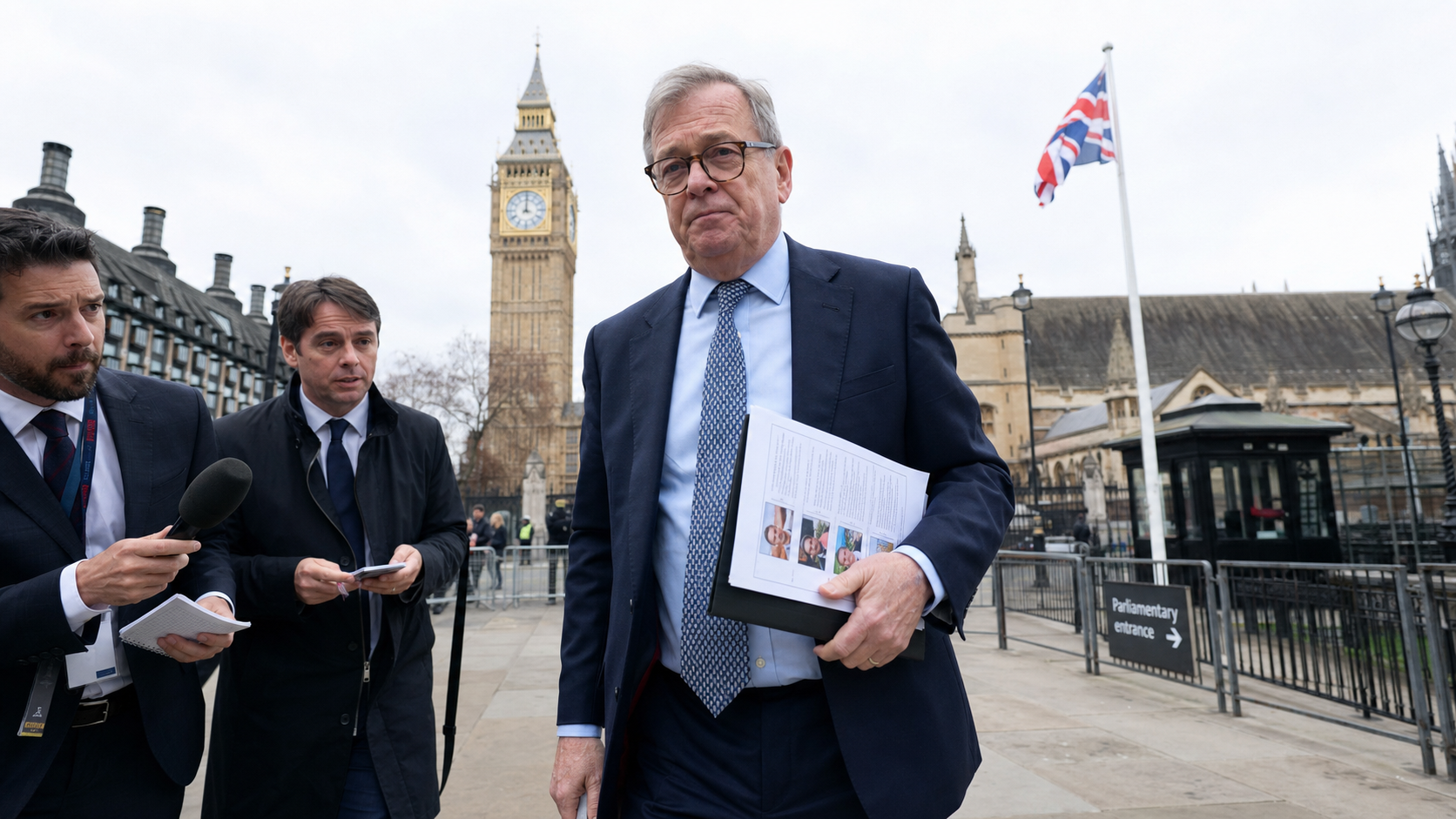
The Ulster Unionist Party is navigating one of the most turbulent periods in its recent history following the resignation of Mike Nesbitt as Northern Ireland's Health Minister on 18 August, a departure triggered by a very public falling-out with party leader Jon Burrows over the proposed removal of emergency general surgery from Causeway Hospital in Coleraine. With Assembly elections legally required by May 2027, the party faces urgent questions about its stability, direction, and electoral prospects.
Background
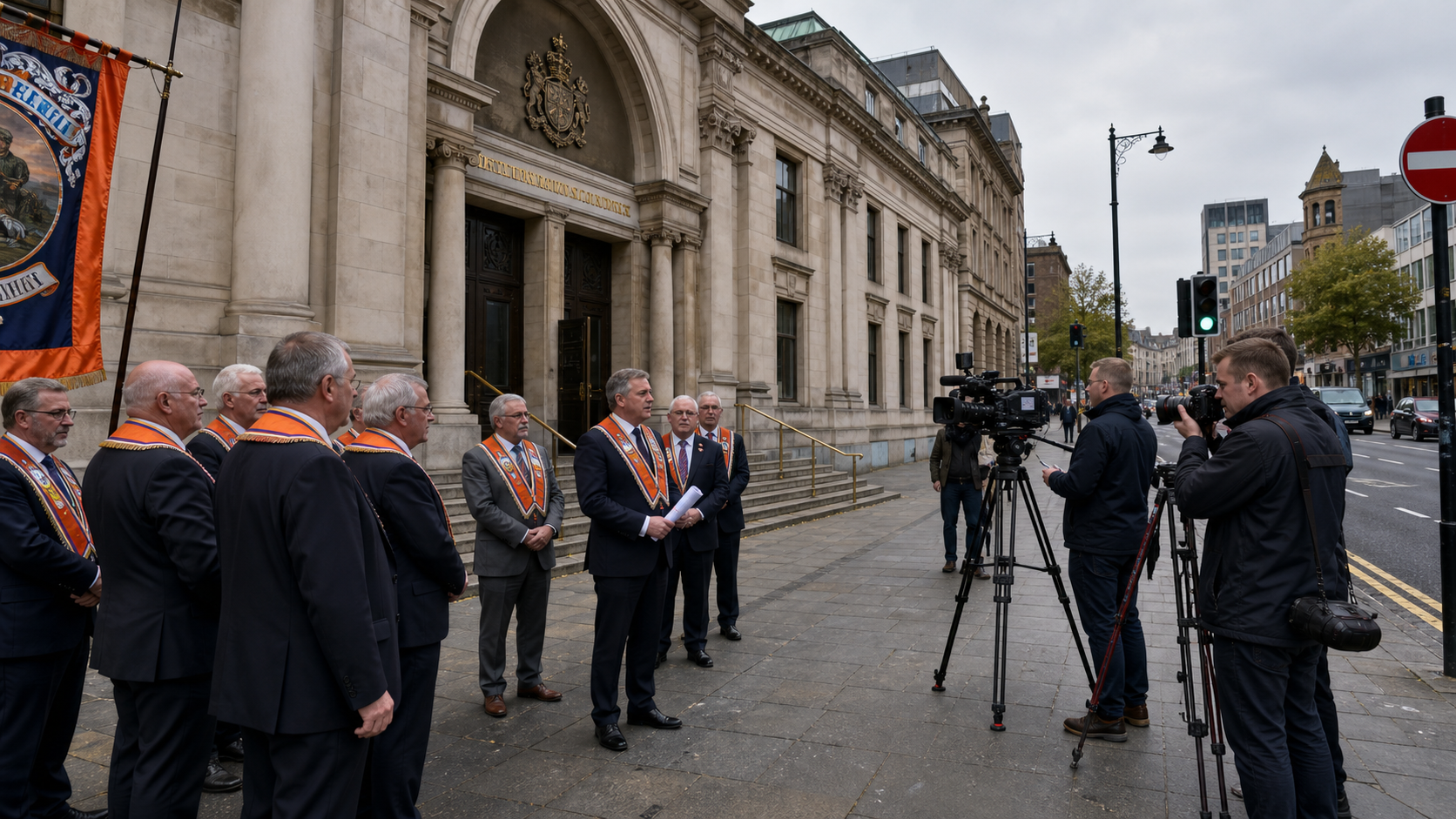
The UUP is the oldest unionist party in Northern Ireland, tracing its roots to the Ulster Unionist Council founded in 1905. For most of the twentieth century it was the dominant force in Northern Irish politics, providing every Prime Minister of Northern Ireland from 1921 to 1972. But the decades since the Good Friday Agreement have been marked by a steady erosion of its position, as the Democratic Unionist Party displaced it as the leading voice of unionism and Sinn Féin overtook it on the nationalist side.
Jon Burrows became the party's fifth leader since 2012 when he took over in January 2026, following the departure of Doug Beattie. Burrows, who was co-opted into the Assembly rather than elected, has been under pressure from the outset to demonstrate that he can stabilise a party that has struggled with internal divisions and a series of damaging public disputes. A LucidTalk poll in July briefly showed the UUP ahead of the DUP with 16% support — a rare moment of optimism — but the Nesbitt affair has threatened to undo that progress.
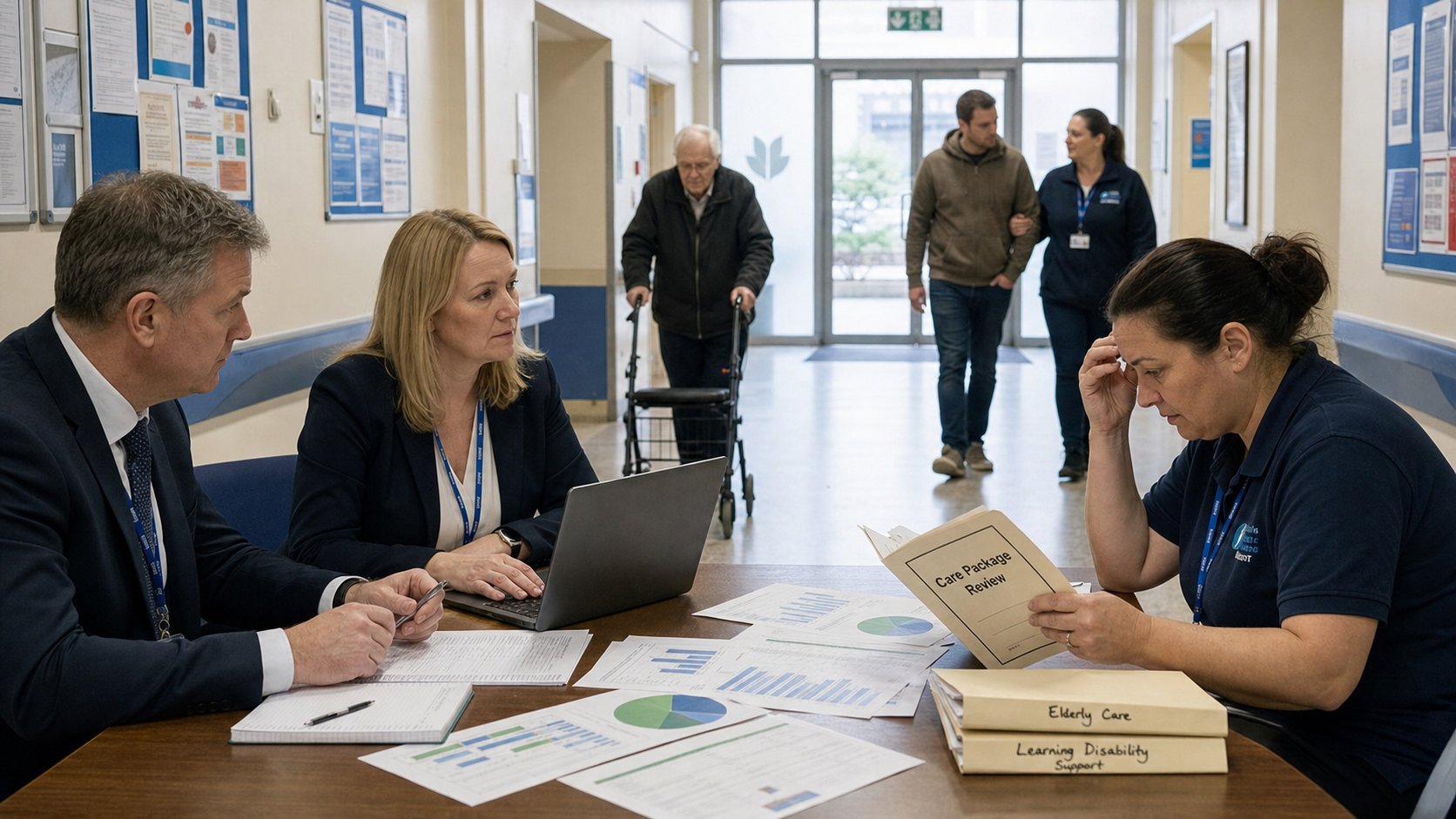
Mike Nesbitt, a former party leader and television presenter, had been serving as Health Minister in the power-sharing Executive. His resignation letter accused Burrows of rendering his position untenable by publicly opposing the recommended closure of emergency general surgery at Causeway Hospital — a move that directly contradicted the administrative path Nesbitt was navigating as minister. Nesbitt said he had been forced to learn of his own leader's position through the media.
Key Developments
Burrows moved quickly to nominate Robbie Butler as Nesbitt's replacement as Health Minister. Butler, a former UUP deputy leader, has stated he is under "no illusions" about the scale of the challenges facing the health service and has indicated that Burrows has imposed no "red lines" on his tenure — a pointed contrast to the circumstances of Nesbitt's departure.
Political analyst Alex Kane, a former UUP communications director, described the party as prone to "internecine feuding" and questioned whether Burrows had the authority to impose discipline on a parliamentary group that has historically been difficult to manage. "The UUP has a long tradition of eating its own," Kane observed. "The question is whether Burrows can break that cycle before the election."
The BBC's Northern Ireland political team reported that several long-standing UUP members, including Nesbitt himself, have indicated they will not seek re-election in 2027, raising questions about the party's capacity to field a competitive slate of candidates across the region.
Why It Matters
The UUP's internal difficulties matter beyond the party itself because of the role it plays in the power-sharing architecture of the Good Friday Agreement. The Executive requires cross-community support to function, and a weakened UUP — or one that becomes consumed by internal conflict — reduces the range of voices available to represent the unionist community in government. The DUP's dominance of unionism has already narrowed the political space considerably; a further contraction would leave the unionist community with fewer options at a critical moment for Northern Ireland's constitutional future.
The Causeway Hospital dispute also illustrates a broader tension within unionism between the demands of governing — which requires difficult decisions about resource allocation — and the demands of electoral politics, which reward populist opposition to service changes. This tension is not unique to the UUP, but it has been particularly damaging for a party that holds the health portfolio and is therefore directly responsible for some of the most contentious decisions in public life.
Local Impact
In North Antrim, where Burrows is seeking to secure his Assembly seat, the Causeway Hospital dispute has become a defining local issue. The hospital serves communities across the Causeway Coast and Glens area, including Coleraine, Ballymoney, Ballycastle, and Portrush, and the prospect of losing emergency surgery has generated intense anxiety among residents who face long journeys to Antrim Area Hospital. Burrows's public opposition to the move has been read locally as a direct appeal to those voters, but it has come at the cost of his relationship with his own minister.
What's Next
The Assembly election must be held no later than 6 May 2027. The UUP currently holds eight seats and will need to defend them against pressure from the DUP on one side and the Alliance Party on the other. Burrows is expected to set out a policy platform in the autumn, with health reform, the cost of living, and the Windsor Framework likely to be central themes. The party's ability to present a united front between now and polling day will be the key test of his leadership.