Marching Bands and Trad Musicians Find Common Ground at Titanic Slipways in Historic Fleadh Showcase
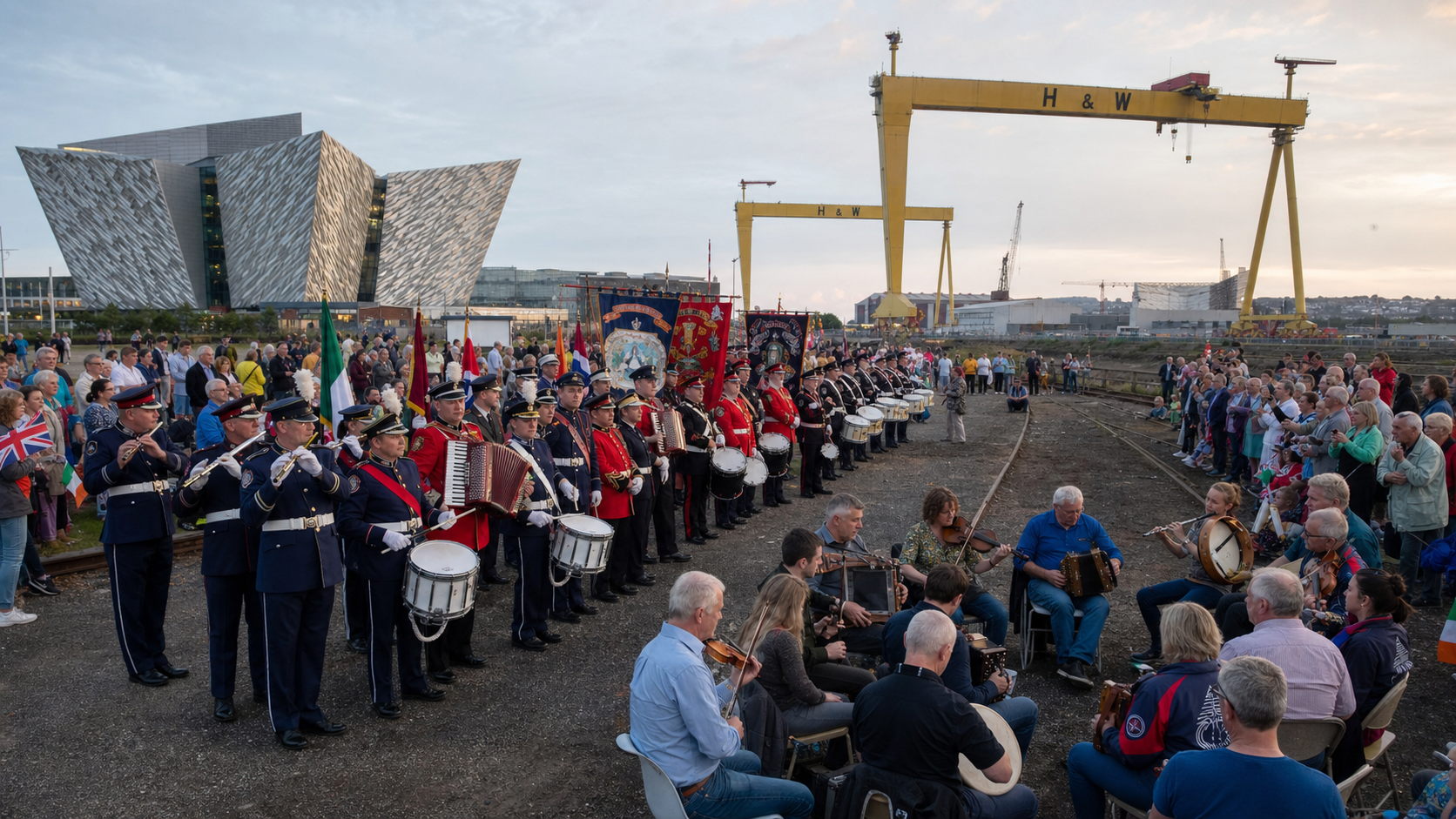
Marching band musicians from across Northern Ireland are performing alongside traditional Irish musicians at the Titanic Slipways in Belfast tonight in what organisers are describing as a genuinely historic moment — a coming together of two musical traditions that have long existed in parallel but rarely in conversation, on the occasion of the first Fleadh Cheoil na hÉireann ever held in the city.
The Ulster Bands Showcase, which forms part of the extensive Fleadh programme for Thursday, August 6, brings together musicians from a range of backgrounds and traditions in a celebration of the breadth and diversity of musical culture in Northern Ireland. For many of the participants, it represents a step into unfamiliar territory — and one that they are embracing with enthusiasm.
Background
The Fleadh Cheoil na hÉireann, the world's largest celebration of Irish traditional music, song, language, and dance, has been held annually since 1951 in towns and cities across Ireland. Its arrival in Belfast for the first time in 2026 was a landmark moment, reflecting both the city's transformation since the Troubles and the growing confidence of the Irish traditional music community in the north.
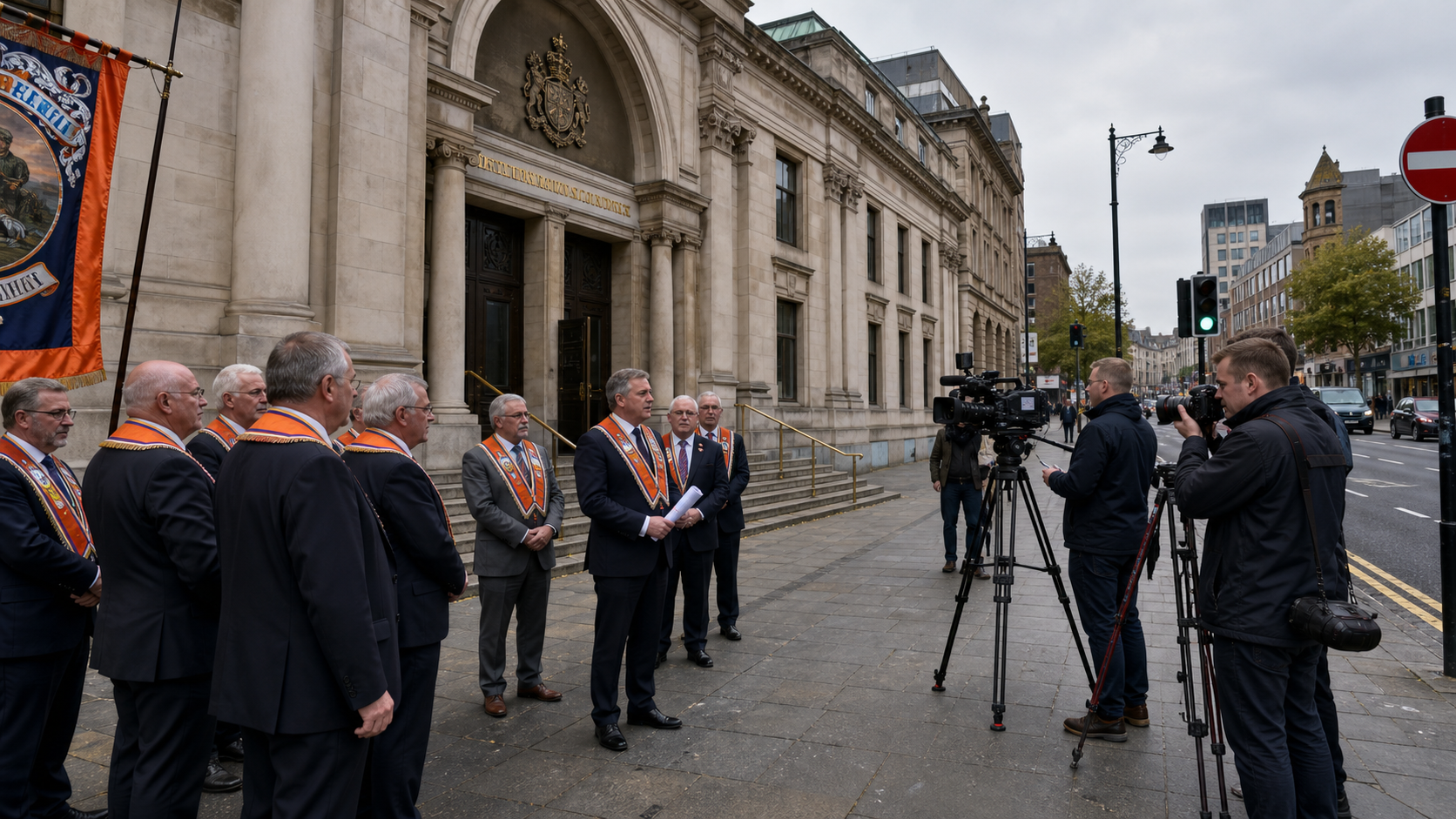
The decision to include a dedicated Ulster Bands Showcase in the programme was a deliberate and significant choice by the organisers. Marching bands have a complex history in Northern Ireland, associated primarily with the unionist and loyalist tradition through the Orange Order and its affiliated bands, but also present in the nationalist and republican community through organisations like the Ancient Order of Hibernians. The inclusion of bands from across this spectrum in the Fleadh programme represents an attempt to find common musical ground across the community divide.
The Belfast Bands Forum, which represents a range of band traditions in the city, was involved in the opening ceremony of the Fleadh and has been a key partner in the development of the showcase. The Forum's involvement reflects a recognition that music — even music with strong cultural and political associations — can serve as a bridge between communities when approached with openness and respect.
Key Developments
Musicians preparing for the showcase have spoken of the experience as genuinely novel. "This is new territory for us," said one band member who has played in marching bands for over twenty years. "We're used to performing in our own context, for our own community. Coming into the Fleadh and sharing a stage with traditional musicians is something different — but it's a good different."
The showcase at the Titanic Slipways, one of the most evocative outdoor venues in Belfast, takes place against the backdrop of the historic shipyard where the RMS Titanic was built. The venue has become a symbol of Belfast's industrial heritage and its capacity for reinvention, and its use for the Ulster Bands Showcase adds another layer of meaning to an already significant event.
The broader Fleadh programme on Thursday also includes performances on the main Gig Rig stage at Belfast City Hall, the Ceol na Cruinne international showcase, and dozens of sessions in pubs and public spaces across the city centre. The festival has drawn an estimated 350,000 visitors to Belfast in its first two days, with the economic impact projected to reach £53 million by the time it concludes on Sunday.
Why It Matters
The Ulster Bands Showcase is significant not just as a musical event but as a statement about what Belfast has become and what it aspires to be. The city that was defined for decades by sectarian division and political violence is now hosting the world's largest celebration of Irish traditional music, and doing so in a way that seeks to include rather than exclude, to find common ground rather than reinforce division.
The inclusion of marching band musicians in the Fleadh programme is a recognition that musical culture in Northern Ireland is more complex and more interesting than the simple binary of "Irish" and "British" traditions. Marching bands, whatever their political associations, represent a genuine and deeply rooted musical tradition in Northern Ireland, one that has its own history, its own repertoire, and its own community of dedicated practitioners. The Fleadh's willingness to engage with that tradition on its own terms is a mark of cultural confidence and generosity.
For the musicians themselves, the experience of performing in the Fleadh context — surrounded by traditional musicians, in a festival that celebrates Irish language and culture — is likely to be genuinely transformative. The conversations and connections that emerge from such encounters can have lasting effects on how musicians understand their own traditions and their relationship to the broader musical culture of the island.
Local Impact
The Titanic Quarter, where the showcase is taking place, has been one of the primary beneficiaries of the Fleadh's economic impact. The area, which includes the Titanic Belfast museum, the SSE Arena, and a growing number of hotels and restaurants, has seen record footfall during the festival week. Local businesses in the quarter have reported trading figures well above their normal August levels, and the hospitality sector across the city has been operating at near-full capacity since the festival began on Sunday.
What's Next
The Fleadh Cheoil na hÉireann concludes in Belfast on Sunday, August 9, with a closing ceremony that is expected to draw tens of thousands of people to the city centre. The success of the festival in Belfast has already prompted discussions about the possibility of a return visit, with Comhaltas Ceoltóirí Éireann indicating that the city's hosting of the event has exceeded all expectations. The Ulster Bands Forum has indicated that it hopes the showcase will become a regular feature of future Fleadh programmes, wherever they are held.