UK May Elections: What's at Stake as Labour, Reform and the Greens Battle for Britain's Councils
With less than four weeks to go until the May 7 local elections, the political stakes could hardly be higher. Voters across 134 English local authorities, as well as the Scottish Parliament and Welsh Senedd, will go to the polls in what is shaping up to be the most consequential set of mid-term elections in a generation.
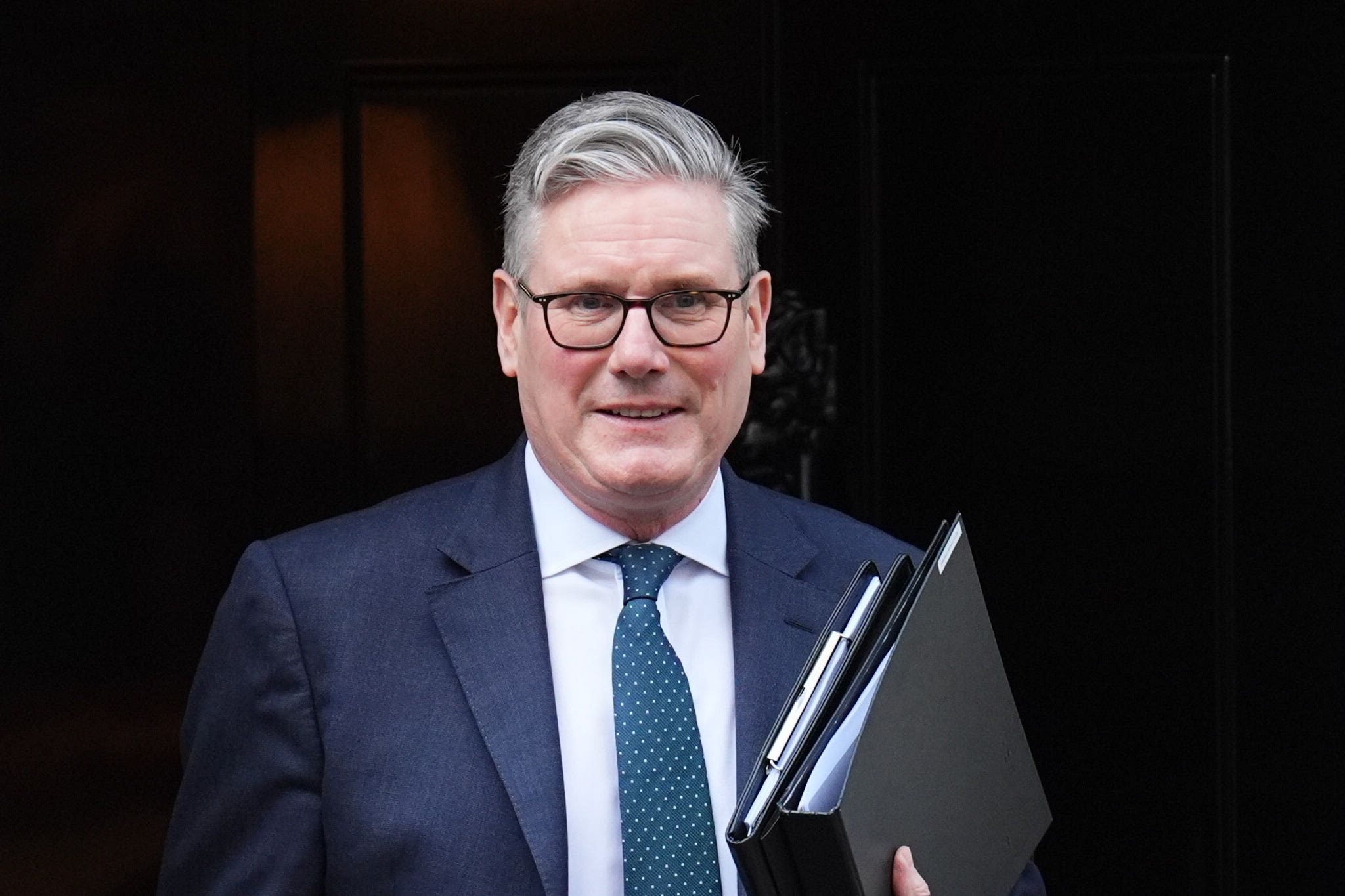
For Prime Minister Keir Starmer, the results will be a critical test of whether Labour can arrest its dramatic polling collapse since winning the 2024 general election. For Nigel Farage's Reform UK, they represent an opportunity to translate national polling leads into real-world political power. And for the Greens, they offer a chance to cement their emergence as a genuine force in British politics.
Labour's Vulnerability
Labour enters the elections defending numerous English councils won during the previous Conservative government's tenure — many of which are now vulnerable to a three-way squeeze from Reform, the Liberal Democrats, and the Greens. In Wales, Plaid Cymru leads in polls, while in Scotland the SNP remains ahead and is on course for a majority at Holyrood.
A poor showing could trigger internal discussions about Starmer's leadership. Potential successors mentioned in Westminster circles include Health Secretary Wes Streeting, former Deputy PM Angela Rayner, and Greater Manchester Mayor Andy Burnham.
Reform's Breakthrough Moment
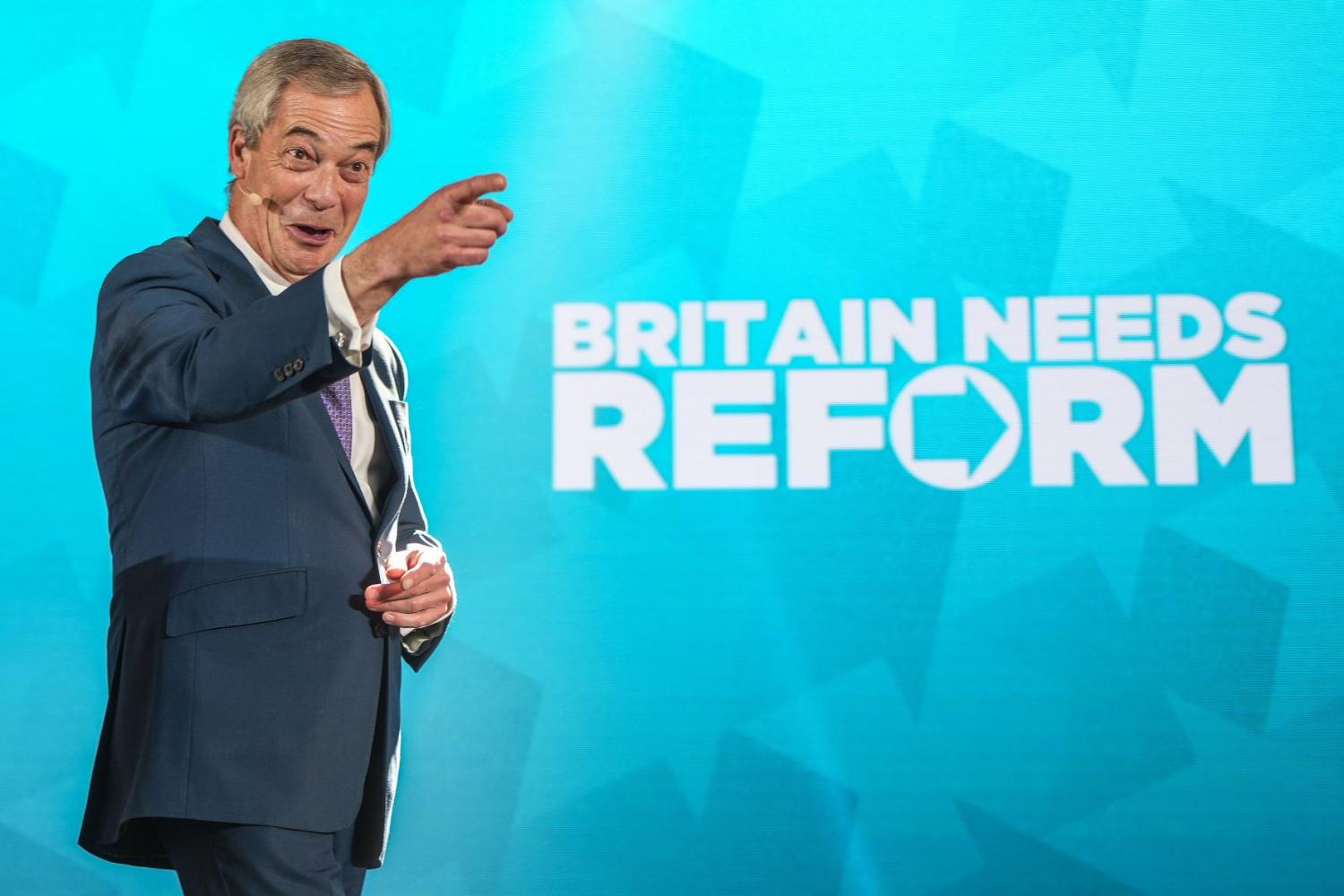
Reform UK, which has been consistently polling ahead of Labour nationally, sees the May elections as its breakthrough opportunity in local government. The party has fielded candidates across England and is targeting councils in the Midlands and the North where it believes disillusionment with both Labour and the Conservatives runs deepest.
One recent MRP poll projected Reform winning 381 seats in a general election — more than all other parties combined — though local elections often produce different dynamics to national contests.
Greens and Lib Dems Eye Gains
The Green Party, with membership now exceeding 180,000 and polling around 15% nationally, is expected to make significant gains in London and university towns. The Liberal Democrats, meanwhile, have shown a consistent ability to win local council seats from Labour, and are targeting a number of southern English authorities.
The results on May 7 will not only shape the immediate political landscape but could also accelerate the broader realignment of British politics that has been underway since the 2024 general election.