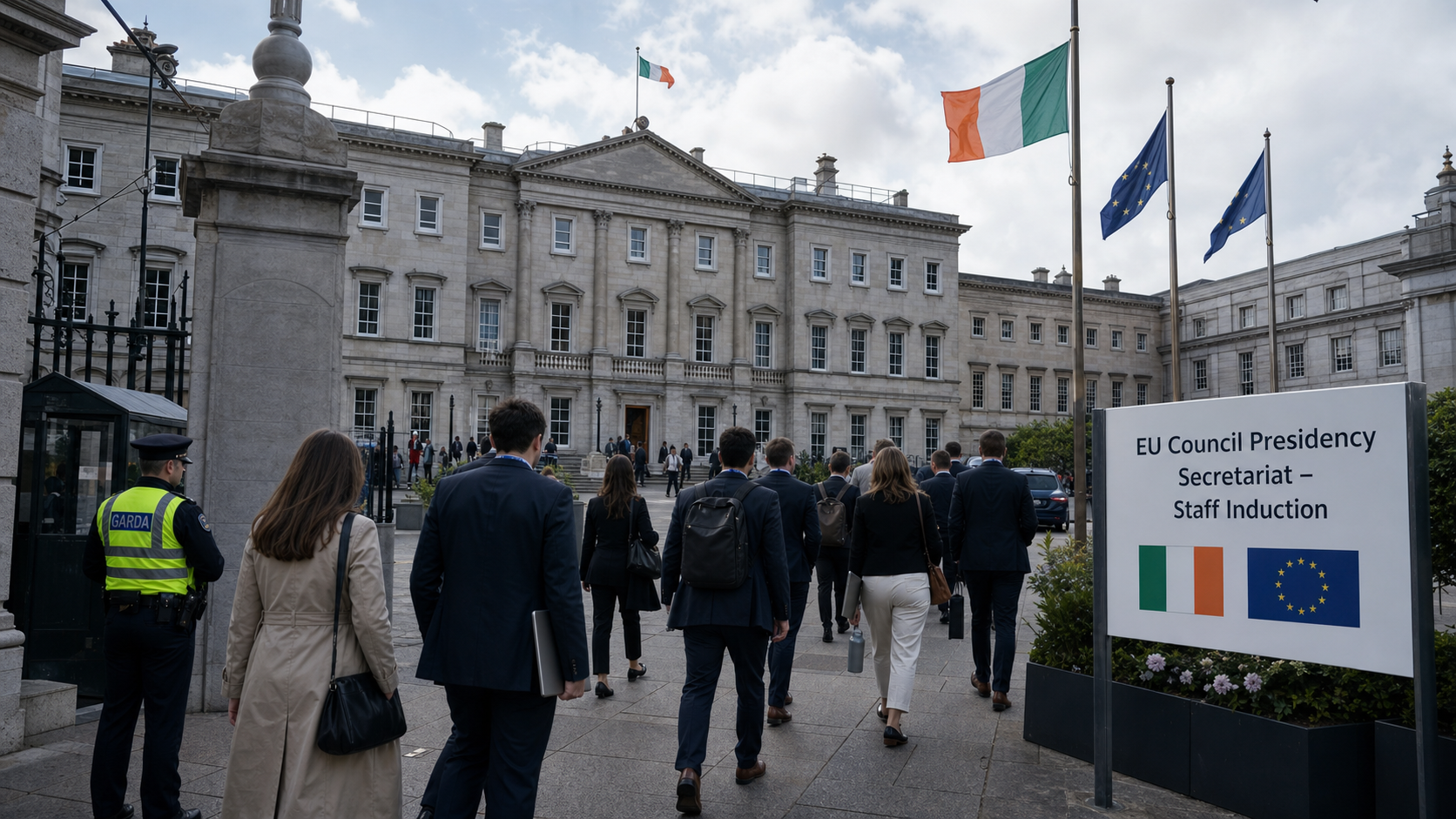
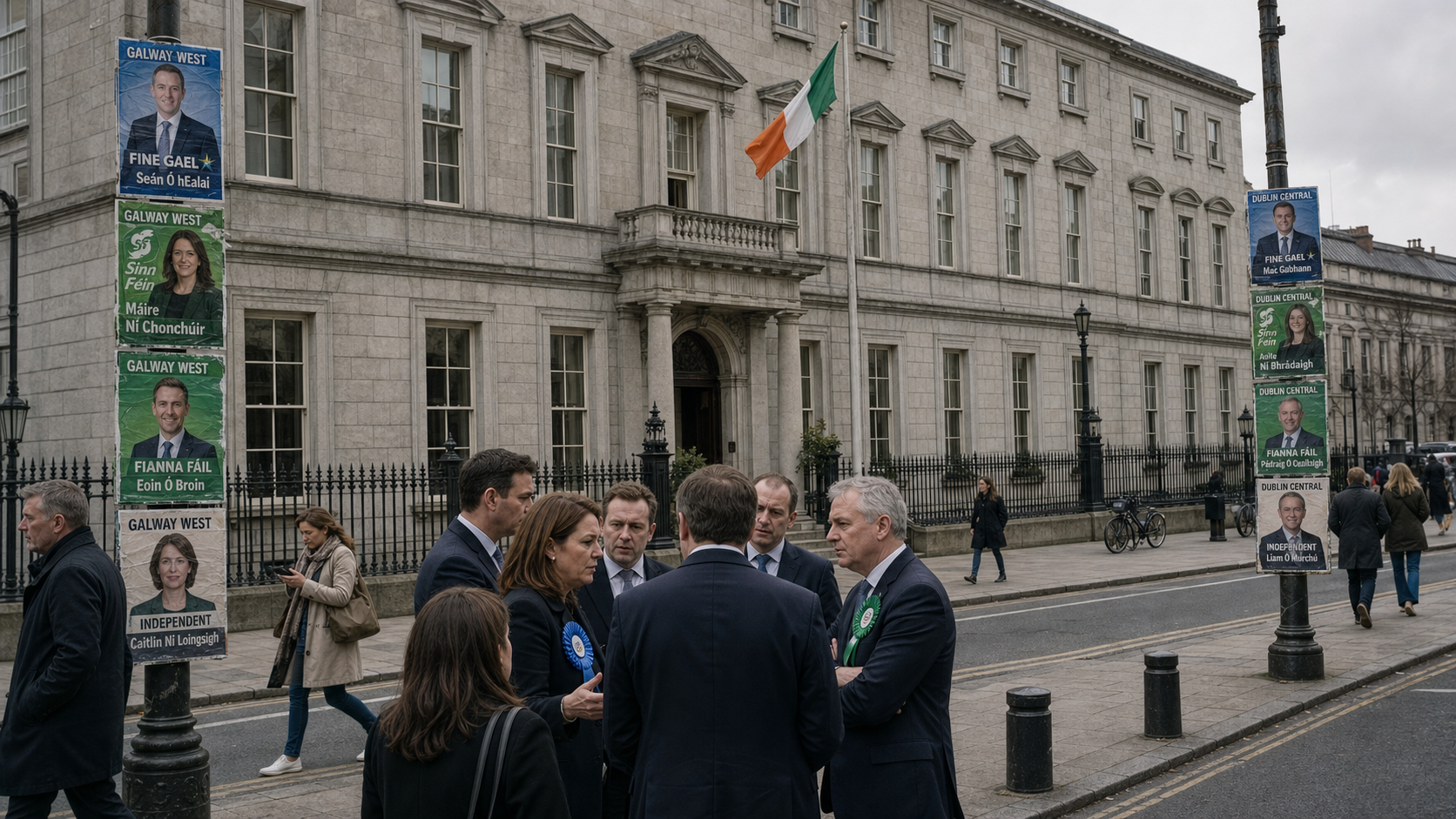
Starmer and Martin Seal £937m UK-Ireland Investment Deal in Historic Cork Summit
UK Prime Minister Keir Starmer and Taoiseach Micheál Martin have concluded a landmark bilateral summit in Cork, announcing a £937 million investment package from Irish companies into the United Kingdom — a deal projected to create 850 new jobs and significantly strengthen cross-border infrastructure, energy security, and research collaboration between the two nations.
The summit, held in March 2026 as part of the annual UK-Ireland 2030 programme, was described by both leaders as a pivotal moment in bilateral relations during what Starmer called a period of "dramatic uncertainty" in global affairs. The centrepiece of the agreement is a £170 million commitment from Gas Networks Ireland to decarbonise its two compressor stations in Scotland — facilities that supply nearly 80% of Ireland's natural gas — through the installation of zero-emissions Electric Motor Drives, expected to cut operational greenhouse gas emissions by 42% by 2030.
Background
The Cork Summit built on the foundations of the UK-Ireland 2030 programme, a framework designed to deepen cooperation across trade, energy, security, and culture following the disruptions of Brexit. For Northern Ireland in particular, the summit carried added significance: the region sits at the intersection of both economies, and any strengthening of UK-Ireland ties has direct implications for cross-border commerce, energy supply, and political stability.
The summit took place against a backdrop of acute economic pressure in Northern Ireland, where the outbreak of conflict in the Strait of Hormuz had sent global energy prices soaring. Heating oil prices in the region surged by 94% in the weeks preceding the summit, with the average cost of 500 litres reaching £627 — a devastating blow for the two-thirds of Northern Irish households that rely on oil for home heating, a far higher proportion than anywhere else in the United Kingdom.
Both governments arrived in Cork aware that the summit needed to deliver tangible outcomes, not merely diplomatic goodwill. The £937 million investment package — spanning artificial intelligence, student accommodation, energy infrastructure, and financial services — was designed to demonstrate exactly that.
Key Developments
The investment package spans several sectors, with technology and energy leading the way. AI and cloud-computing firm Amach committed £45 million to create 150 specialist roles in the aviation sector. The O'Flynn Group announced a £35 million student accommodation project in Manchester, while Ayrton Group pledged over £1 million to expand its AI-powered services in London. Focus Capital Partners committed a further £3 million in cross-border investment.
On energy connectivity, both leaders reaffirmed their commitment to the MaresConnect interconnector — a private venture linking Wales and Ireland with the capacity to power 570,000 homes — and pledged to advance the North-South Interconnector between Northern Ireland and the Republic by the end of 2026, a project intended to lower electricity costs across the island. A new Memorandum of Understanding on defence was also agreed, focusing on protecting sub-sea cables and critical infrastructure, with a joint readiness exercise scheduled for September 2026.
Taoiseach Micheál Martin pledged to deepen cooperation on large-scale infrastructure development and joint climate initiatives, framing the summit as a foundation for long-term shared prosperity. A €5 million fund for 12 new cultural partnership projects between Irish and UK organisations was also announced, alongside a landmark agreement between UK Research and Innovation and Taighde Éireann to fund joint projects in quantum technologies and 6G development.
Why It Matters
The Cork Summit matters for reasons that extend well beyond the headline investment figure. At a time when global trade relationships are being redrawn — with US tariff policy creating uncertainty for exporters on both sides of the Irish Sea — the depth of UK-Ireland economic integration has rarely been more important to protect and deepen. The £937 million package is a signal that Irish business confidence in the UK market remains robust, even as broader geopolitical headwinds intensify.
For Northern Ireland specifically, the energy interconnector commitments carry particular weight. The region's dependence on heating oil — a legacy of underinvestment in gas infrastructure — has left households uniquely exposed to global commodity price shocks. Progress on the North-South Interconnector and the MaresConnect project offers a credible long-term pathway to greater energy resilience. The summit also demonstrated that the UK-Ireland relationship, strained by years of Brexit turbulence, is capable of producing substantive, deliverable agreements rather than mere declarations of intent.
Local Impact
For Belfast and Northern Ireland, the summit's most immediate significance lies in the £81 million heating oil relief package, which Starmer pledged to expedite through Stormont. The fund is designated to provide a £100 grant to approximately 340,000 lower-income households — a measure welcomed by community groups but criticised by First Minister Michelle O'Neill as a "slap in the face" given the scale of the crisis. O'Neill has been vocal in her opposition to what she describes as the UK government's misplaced priorities, arguing that defence spending earmarked for Northern Ireland would be better directed at public services. The North-South Interconnector commitment, if delivered on schedule by the end of 2026, would represent a more durable solution to the region's energy vulnerability than one-off relief payments.
What's Next
Both governments have committed to follow-up working groups on energy infrastructure and climate cooperation. The Gas Networks Ireland decarbonisation project is expected to begin detailed engineering work immediately, with full operational targets set for 2030. The North-South Interconnector and MaresConnect projects are both targeted for significant progress by the end of 2026. For Northern Ireland, the £81 million energy relief package is expected to be processed through Stormont in the coming weeks, though political tensions over its adequacy are likely to continue. A joint defence exercise in September 2026 will test the new security MoU, while the UKRI-Taighde Éireann research partnership is expected to issue its first funding calls before the end of the year.
Full details of the investment commitments are available via the BBC News report on the Cork Summit and the official UK Government joint statement.
\