UK Shelves Chagos Islands Legislation After US Withdraws Support
The United Kingdom has been forced to abandon its plans to transfer sovereignty of the Chagos Islands to Mauritius after the United States withdrew its backing for the deal, placing Prime Minister Keir Starmer in a deeply uncomfortable diplomatic position between Washington and international law.
The government confirmed on Saturday that it had run out of parliamentary time to pass the necessary legislation, with a new Chagos bill now unlikely to feature in the King's Speech in May. The decision marks a significant reversal for a government that had been moving steadily towards resolving one of Britain's most contentious colonial legacies.
Background
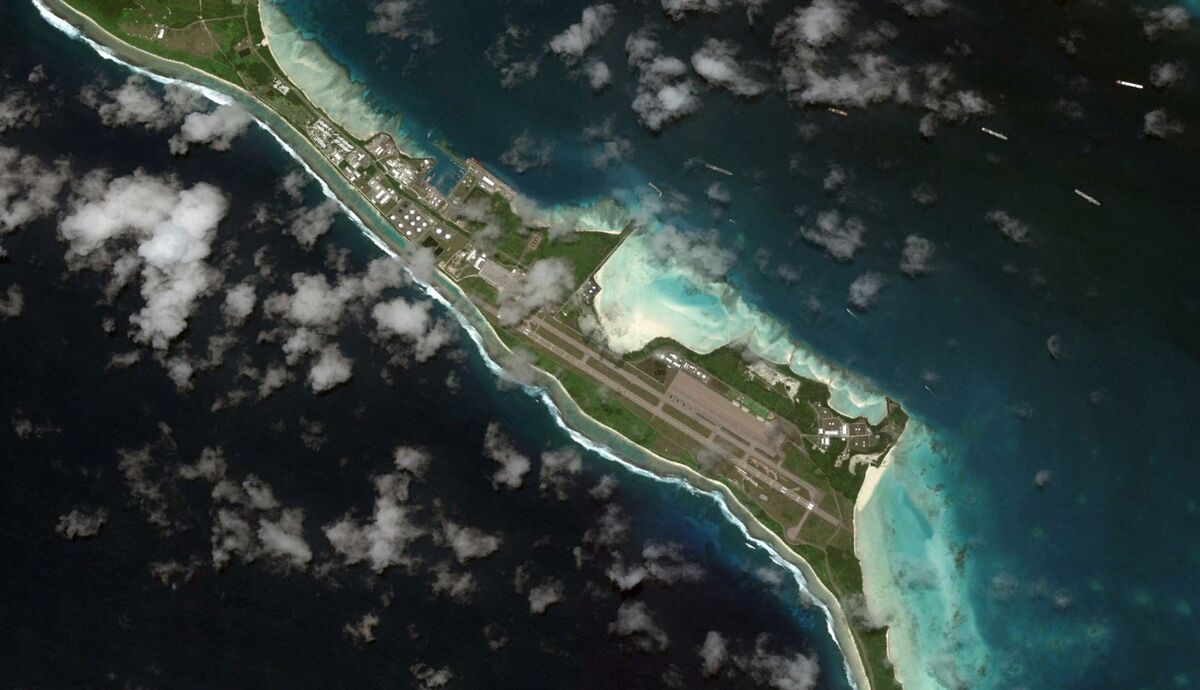
The Chagos Islands, officially known as the British Indian Ocean Territory, have been under UK control since the 1960s. The largest island, Diego Garcia, hosts a strategically vital joint US-UK military base. The UK forcibly removed the entire Chagossian population between 1967 and 1973 to make way for the installation — a decision that has been condemned by international courts ever since.
In 2019, the International Court of Justice ruled that the UK's continued administration of the islands was unlawful, and the UN General Assembly voted overwhelmingly for Britain to withdraw. The Starmer government had been negotiating a deal to cede sovereignty to Mauritius while securing a 99-year lease on Diego Garcia to protect the military base's future.
Key Developments
US President Donald Trump had initially described the proposed deal as the best Starmer could achieve, appearing to endorse it during the Prime Minister's visit to the White House earlier this year. However, Trump subsequently reversed his position, reportedly angered by the UK's refusal to permit its airbases to be used for pre-emptive US strikes on Iran.
The US had not formally exchanged the letters required to amend the 1966 British-American treaty governing the islands — a step understood to be a prerequisite for the UK to proceed with its bill. Without that formal US endorsement, the government concluded it could not move forward.
Simon McDonald, a former permanent secretary at the Foreign Office, said the agreement would likely go into the deep freeze for the time being given the US President's open hostility. Mauritius has pledged to continue pursuing the matter through diplomatic and legal channels, with Foreign Minister Dhananjay Ramful vowing to spare no effort to seize any diplomatic or legal avenue to complete the decolonisation process.
Why It Matters
The episode exposes the limits of UK foreign policy independence under the current geopolitical climate. With the Middle East conflict reshaping US strategic priorities, the Diego Garcia base has taken on renewed importance in Washington's calculations — and Britain has found itself caught between its international legal obligations and the demands of its closest ally.
Conservative leader Kemi Badenoch and Reform UK's Nigel Farage have both criticised the government's handling of the affair, while Chagossian community groups expressed deep disappointment at the delay to their right of return.
What's Next
The UK Foreign Office has stated there is no set deadline and that timings will be announced in the usual way. However, with the King's Speech approaching and US-UK relations under strain, a resolution appears unlikely in the near term. The Chagossian people, many of whom live in Crawley and Mauritius, remain in limbo — their right to return to their homeland once again deferred by the pressures of great-power politics.
Full details of the UK's position were reported by The Guardian.