Starmer Seeks Closer EU Ties as Iran War Reshapes UK Foreign Policy
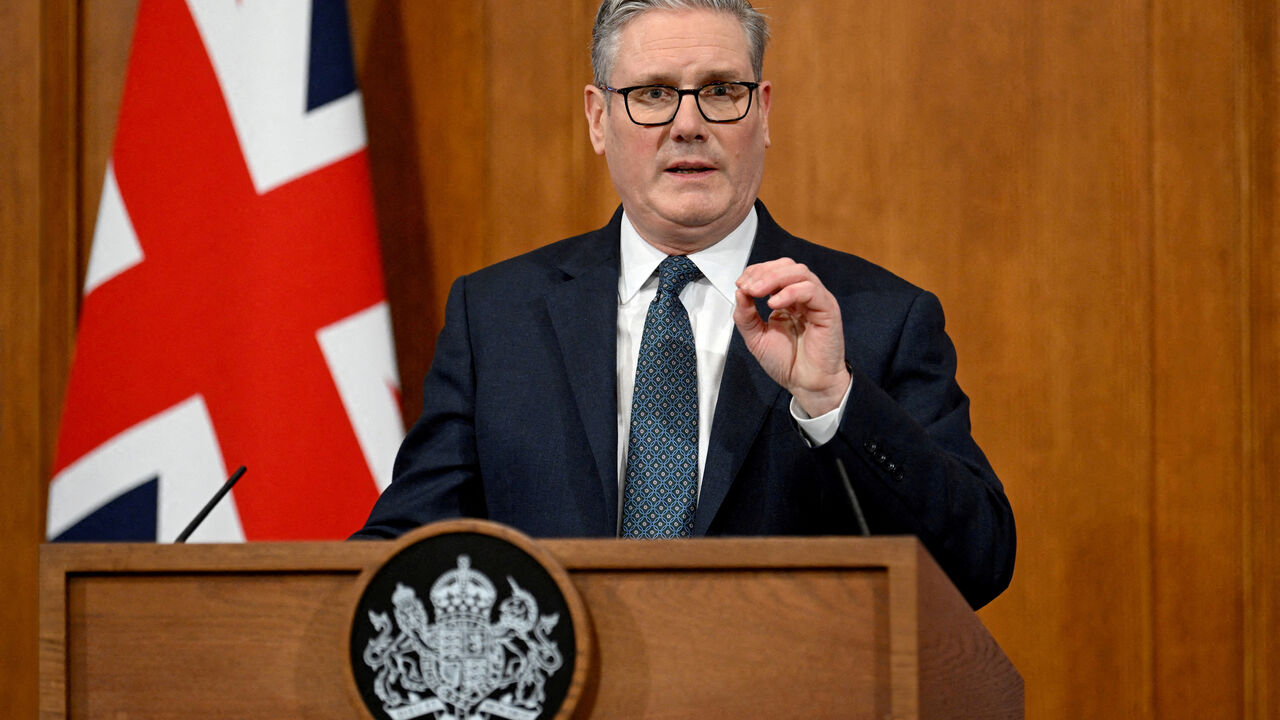
Prime Minister Sir Keir Starmer has declared that the United Kingdom will pursue significantly closer economic and security ties with the European Union, citing the ongoing conflict between the United States and Iran as a catalyst for a fundamental reassessment of Britain's post-Brexit international relationships.
In a major foreign policy statement, Starmer acknowledged that Brexit had inflicted lasting damage on the British economy and argued that the current global volatility — driven in large part by the Iran war and its impact on energy markets — makes deeper engagement with European partners not merely desirable but essential.
Background
The conflict between the US and Iran, which began in late February 2026, has sent shockwaves through global energy markets. The effective closure of the Strait of Hormuz has driven up wholesale oil and gas prices, with UK household energy bills expected to rise sharply in the coming months. Northern Ireland, where approximately 62.5% of households rely on home heating oil, has been particularly hard hit.
Starmer's pivot towards Europe comes amid growing strain in the UK-US relationship, with Washington expressing frustration at London's reluctance to become more directly involved in the conflict. The Prime Minister has been emphatic that the Iran war is "not our war" and that the UK will not be "dragged into it."
Key Developments
Speaking publicly, Starmer stated that the UK's long-term national interest requires a closer partnership with European allies and the EU, particularly given what he described as "the volatile global path" ahead. He pointed to a planned UK-EU summit in the summer of 2026 as an opportunity to deepen cooperation on defence, security, energy, emissions trading, and the broader economy.
The Prime Minister also confirmed that his Foreign Secretary is hosting a virtual meeting of 35 nations — including European and Gulf states — to discuss measures to make the Strait of Hormuz "accessible and safe after the fighting has stopped."
On the domestic front, Starmer highlighted a series of measures already in place to ease the cost of living, including the removal of green levies from energy bills, a 4.8% rise in the state pension, and the end of the two-child limit on welfare payments — all taking effect this month.
Why It Matters
The shift in tone represents one of the most significant recalibrations of UK foreign and economic policy since Brexit. While Starmer has maintained Labour's manifesto commitment against rejoining the single market, customs union, or freedom of movement, his language around EU engagement has become markedly more ambitious. He argued that closer ties with Europe could paradoxically strengthen the UK's relationship with the United States, noting that successive US presidents have pushed for greater European involvement in defence and security.
Reform UK, which has consistently led opinion polls ahead of May's local council elections, has attacked the approach as a betrayal of Brexit. Nigel Farage's party is expected to make significant gains in the May elections, adding political pressure on Starmer's leadership.
What's Next
The UK-EU summit planned for summer 2026 will be closely watched as a test of how far Starmer is willing to go in resetting the post-Brexit relationship. Domestically, the government faces a difficult balancing act: managing the economic fallout from the Iran war while holding off a resurgent Reform UK and addressing growing speculation about Starmer's own political future.
For more on this story, see the BBC News report on Starmer's EU statement.