Streeting Refuses to Rule Out Doctors' Strike Ban as 15th NHS Walkout Continues
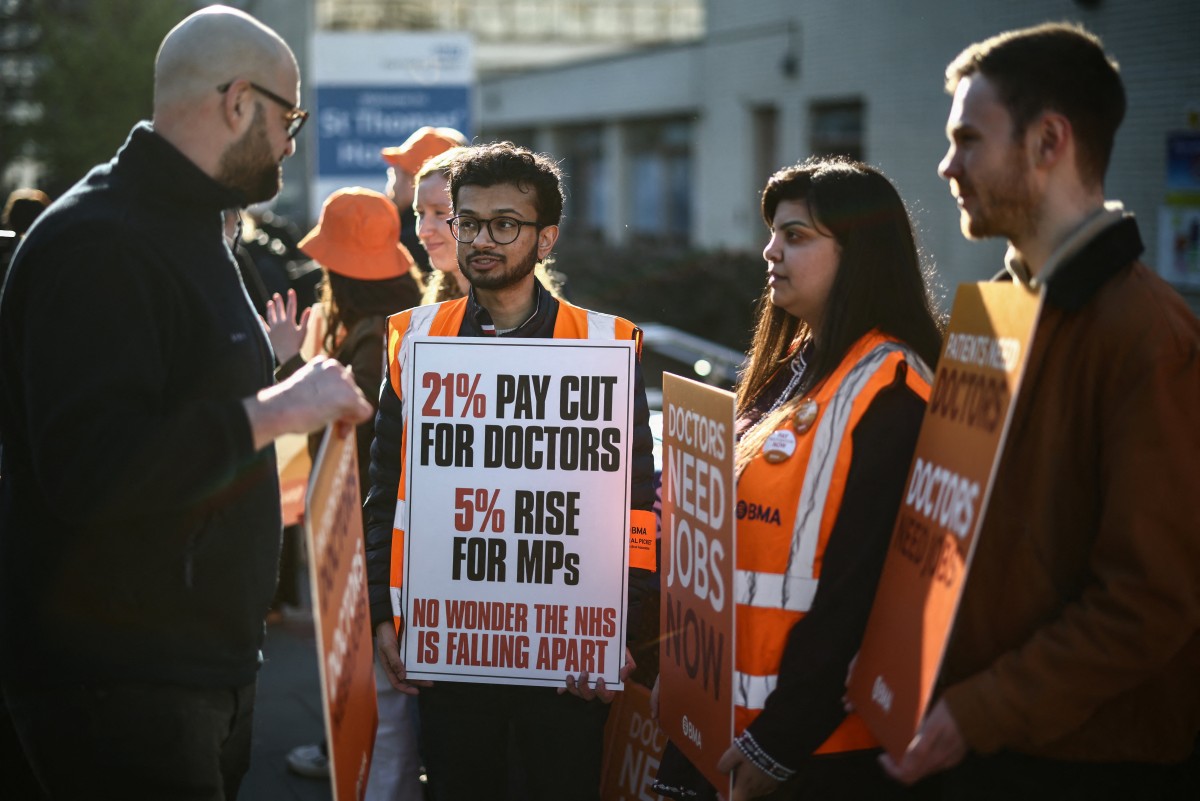
Health Secretary Wes Streeting has declined to rule out banning resident doctors from striking as England's NHS faces its 15th round of industrial action, with a six-day walkout running from 7 April to 13 April 2026 causing widespread disruption to hospital services across the country.
The strike, called by the British Medical Association (BMA), marks the latest chapter in a dispute that has cost the NHS an estimated £3 billion since March 2023. Resident doctors — formerly known as junior doctors — are demanding pay restoration to 2008 levels, which they say would require a 26% increase to account for real-terms erosion caused by inflation.
Background
Negotiations between the government and the BMA collapsed in March 2026 after the two sides failed to agree on the pace and scale of pay increases. The government had offered an average basic pay rise of 4.9% for the current year, alongside a pledge to create between 4,000 and 4,500 additional specialty training posts over three years. The BMA rejected the offer, accusing the government of moving the goalposts at the last minute by spreading the financial investment over three years rather than delivering it upfront.
Streeting responded by withdrawing the offer of 1,000 extra training places for 2026, a move the BMA condemned as punitive. He accused the union of "torpedoing" pay rises and training opportunities for its own members.
Key Developments
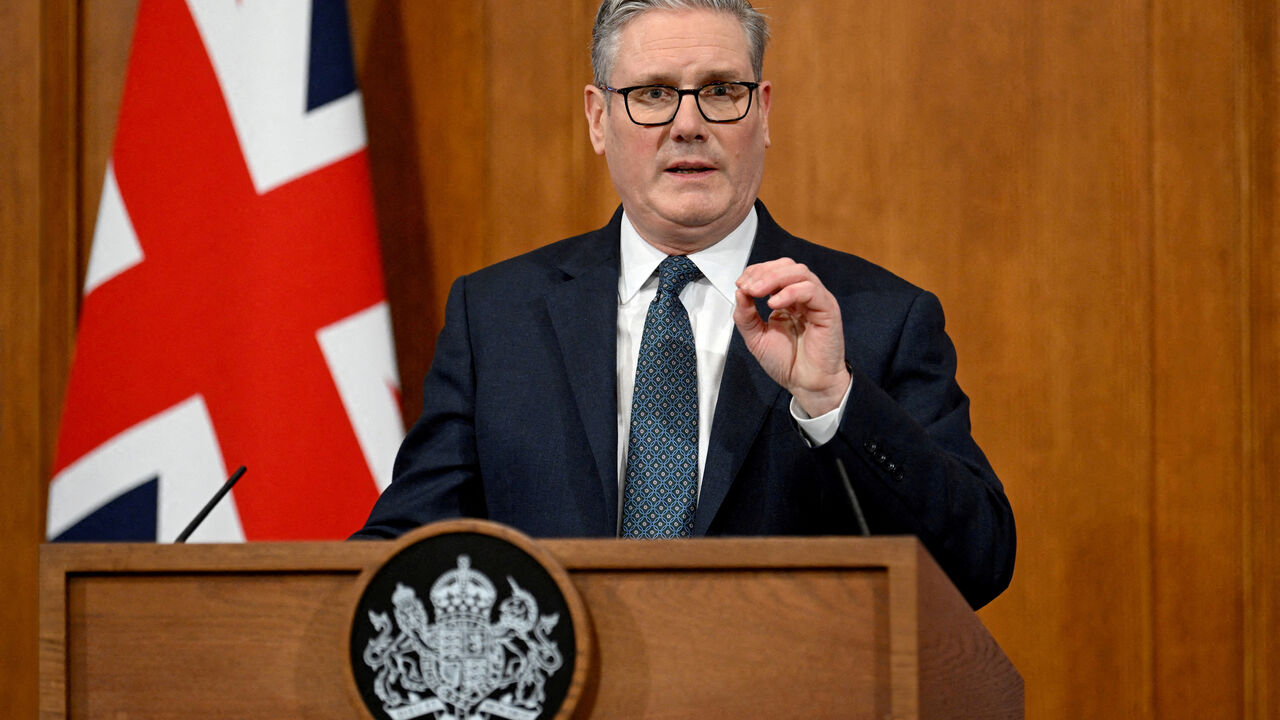
Speaking this week, Streeting said he was not prepared to accept the BMA's position on pay and did not rule out legislative action to restrict future strike rights for doctors. Senior health officials have discussed the possibility of banning doctors from striking, a measure that would be unprecedented in the NHS's history.
Dr Jack Fletcher, chair of the BMA Resident Doctors Committee, said the government had "reduced the value of the original investment in the pay element and stretched it over three years," making the offer unacceptable. He warned that resident doctors could continue striking monthly until their mandate expires in August 2026 if their demands are not met.
The NHS has urged patients to continue attending scheduled appointments unless directly contacted for rescheduling, and to use 999 for life-threatening emergencies and NHS 111 for non-urgent needs. NHS England has aimed to maintain around 95% of pre-planned care during the walkout.
Why It Matters
The ongoing dispute is placing enormous strain on an NHS already grappling with a waiting list of 7.25 million patients for elective care. Each round of strikes costs the health service an estimated £300 million in rescheduled operations and consultant cover. The prospect of a strike ban would mark a significant escalation in the government's approach and could reshape industrial relations across the public sector.
What's Next
The current strike is due to end on Monday 13 April at 6:59am. The BMA has stated it remains willing to resume talks if a "genuinely credible offer" is provided. With the BMA's mandate for industrial action running until August 2026, further strikes remain a real possibility if negotiations do not resume. The government faces a difficult balancing act between fiscal constraints and the need to retain and motivate a workforce that is central to the NHS's recovery.
Full coverage of the dispute is available via The Guardian and BBC News.