Sinn Féin Proposes Referendum on Irish Neutrality
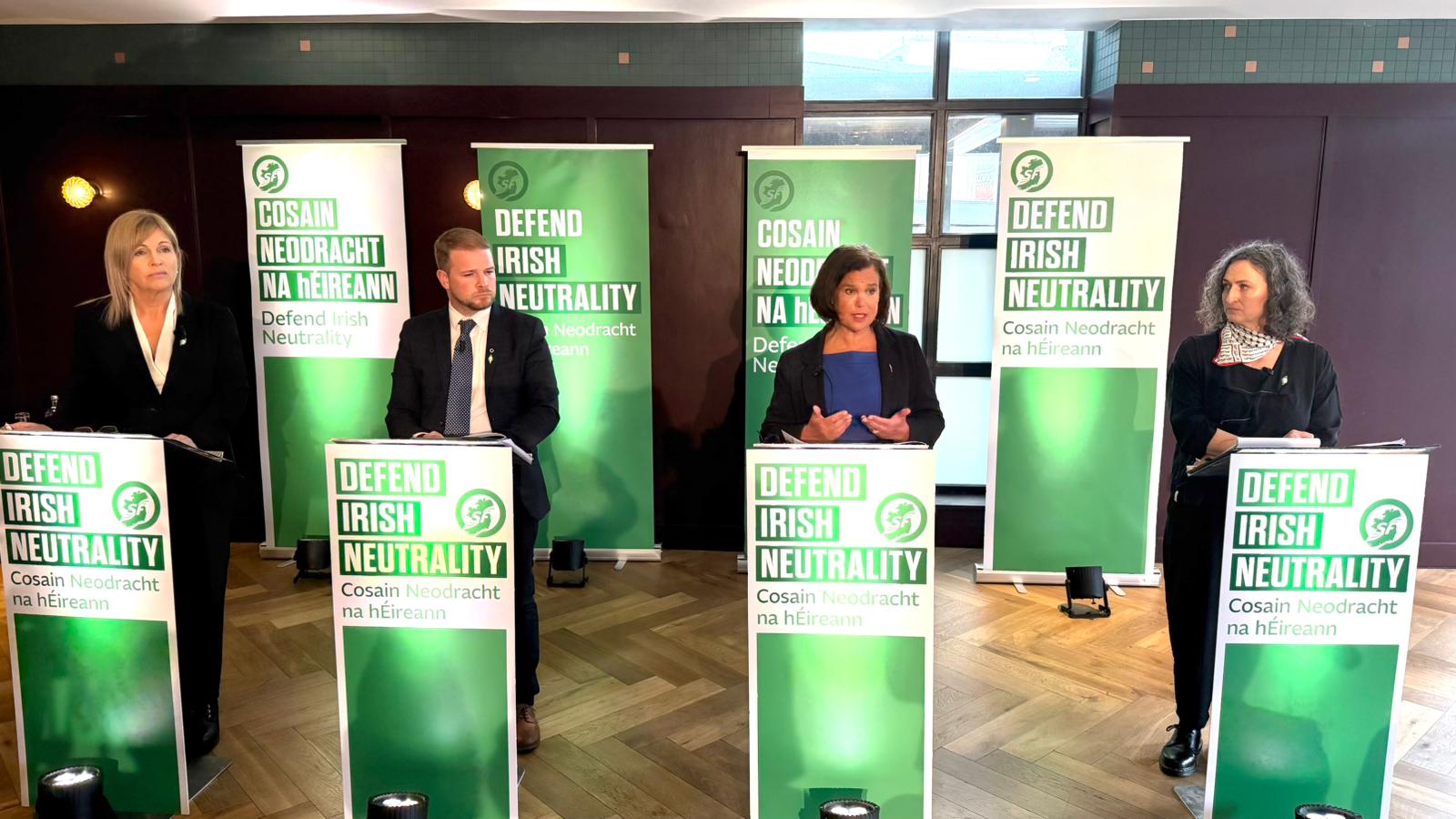
Sinn Féin has formally proposed putting Ireland's traditional policy of military neutrality to a public vote, calling for a referendum to enshrine the principle in the Irish Constitution — a move that would force a national reckoning with one of the most deeply held tenets of the Republic's foreign policy identity. The proposal, reported on 9 April, injects a new urgency into a debate that has been building for years but has accelerated dramatically in the wake of the US-Iran conflict and the broader transformation of European security architecture.
Background
Ireland's policy of military neutrality has deep historical roots. The country officially declared neutrality at the outbreak of the Second World War in 1939 — a period known domestically as "The Emergency" — and declined an invitation to join NATO in 1949, cementing its position outside formal military alliances. Since 1958, Ireland has channelled its defence commitments into United Nations peacekeeping missions, building a reputation as an honest broker and a contributor to international stability rather than a participant in military blocs.
The policy has long been protected by the so-called "triple lock" mechanism, which requires a UN mandate, government approval, and parliamentary (Dáil) approval before more than 12 Irish troops can be deployed overseas. This system has been a cornerstone of the neutrality framework, but it is now under pressure. The current government has proposed amending the triple lock to remove the UN mandate requirement — a move Sinn Féin and other parties strongly oppose, arguing it would erode democratic oversight and open the door to military entanglement, as detailed in The Irish Times.
Decades of underinvestment have left Ireland's Defence Forces ill-equipped to protect the country's sovereignty, particularly its vast maritime domain and critical undersea data cables. In response, the government has significantly increased defence spending in the 2026 budget, with plans for investment in military radar and other capabilities — a shift that itself signals a changing relationship with the concept of neutrality.
Key Developments
Sinn Féin's referendum proposal centres on adding a "positive assertion of Irish neutrality" to the constitution, which the party argues would protect the policy from being dismantled by future governments without a direct democratic mandate. The party insists that any fundamental change to Ireland's defence posture must be put to the people, not decided by ministerial decree or parliamentary vote alone. The proposal has been debated in the Dáil, with the Houses of the Oireachtas records showing the depth of disagreement between parties on the question of how neutrality should be defined and protected in the modern era.
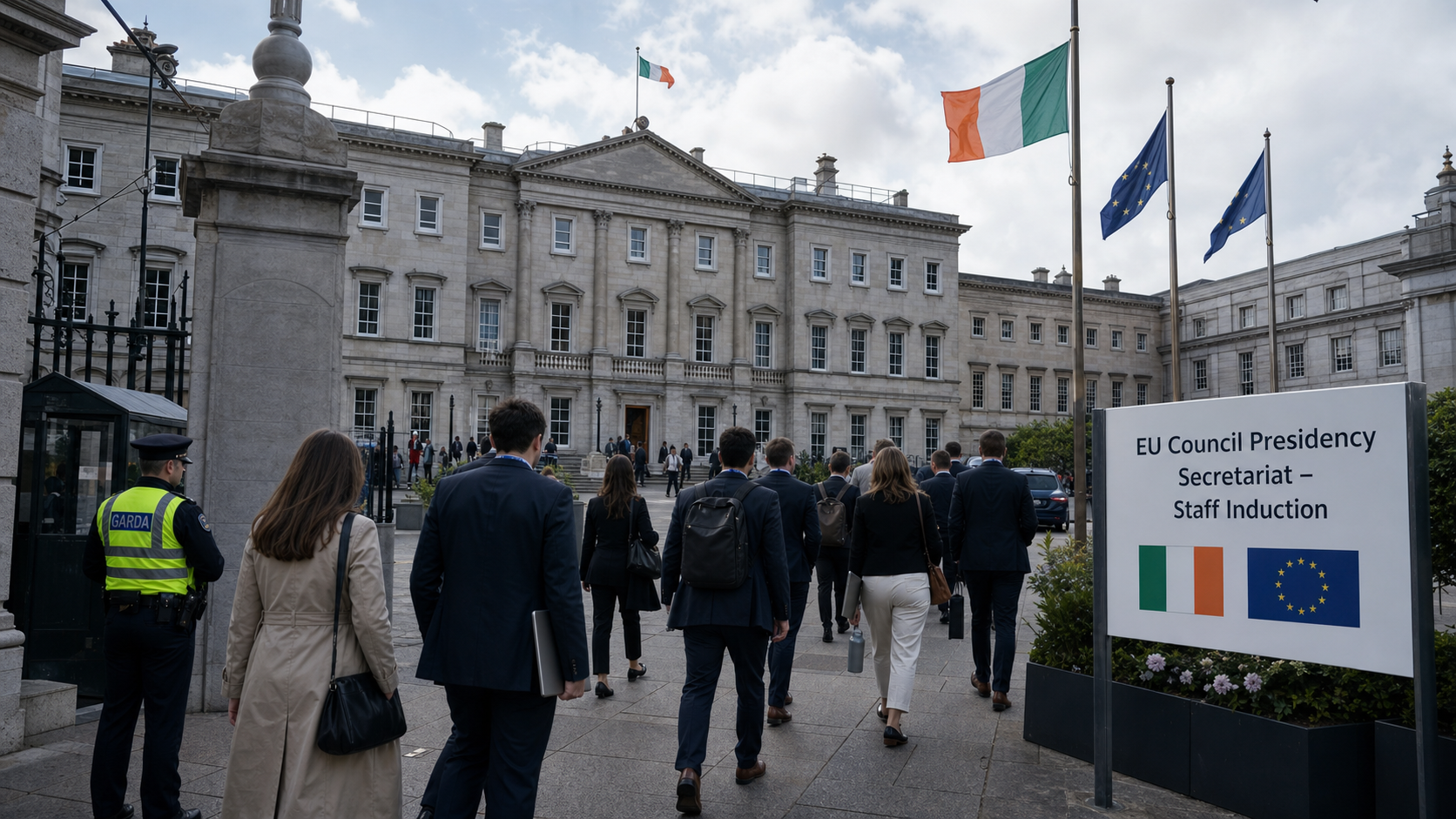
The context for the proposal is the rapidly shifting security landscape across Europe. The EU is pursuing greater "strategic autonomy" in defence, driven by the war in Ukraine and concerns about the long-term reliability of the United States as a security guarantor. European nations are significantly increasing their military budgets, and there is growing expectation that all European partners — including traditionally neutral states like Ireland — will contribute more to continental security, particularly as Ireland prepares to hold the EU Council Presidency in late 2026.
Why It Matters
For generations, military neutrality has been more than just a policy in Ireland; it has been a core part of the national identity, associated with independence, peacekeeping, and the country's role as an honest broker on the world stage. A referendum would force a national conversation about these deeply held values. Opponents of change argue that abandoning neutrality would be a betrayal of founding principles, dragging Ireland into foreign conflicts and undermining its unique international standing. Proponents counter that neutrality is a relic of a different era and that in the face of modern threats — from hybrid warfare to the vulnerability of undersea infrastructure — collective security offers a more robust defence. The debate is no longer academic; it is a live issue with profound implications for Ireland's place in the world.
Local Impact
For Northern Ireland, the debate carries particular significance. Any shift in the Republic's defence posture would have implications for the island as a whole, raising questions about cross-border security cooperation and the relationship between Belfast and Dublin on matters of shared strategic interest. Sinn Féin, as a party that operates across both jurisdictions, is acutely aware of the political sensitivities involved. The party's position — defending neutrality while simultaneously advocating for a democratic mandate to settle the question — reflects the complexity of navigating security debates in a post-partition, post-Brexit context where the constitutional future of the island remains an open question.
What's Next
The Sinn Féin proposal is unlikely to result in an immediate referendum, as the governing coalition has not indicated support for the constitutional route. However, the debate is expected to intensify as Ireland approaches its EU Council Presidency and as the European security environment continues to evolve. The government's proposed changes to the triple lock mechanism will face further scrutiny in the Dáil, and public opinion polling on neutrality — which has historically shown strong support for the policy — will be closely watched by all parties as they calibrate their positions ahead of the next general election.