By-Election Fallout: Fine Gael Galway Win Masks Coalition Anxiety as Independents Surge
The dust has settled on the May 22 by-elections in Dublin Central and Galway West, and the picture that emerges is one of a political landscape in genuine flux — with Fine Gael's rare by-election victory in Galway masking deep coalition anxiety about the surge in support for independent candidates, Fianna Fáil's worst ever by-election performance in Dublin Central, and Sinn Féin's failure to win either seat raising serious questions about the party's ability to translate opposition support into electoral gains.
Background
By-elections in Ireland have historically been poor indicators of general election outcomes — governments routinely lose them, and the results are often driven by local factors and protest votes that do not translate into sustained shifts in the national political landscape. However, the May 22 contests in Dublin Central and Galway West were watched with unusual intensity, partly because of the scale of the political changes they appeared to signal and partly because of the specific circumstances of each constituency.
Dublin Central, which includes the north inner city and parts of the south inner city, has been a Fianna Fáil stronghold for generations. The constituency was represented for decades by Bertie Ahern, and the party has consistently performed strongly there even in difficult national elections. The vacancy arose following the appointment of a sitting TD to a European Commission role, and Fianna Fáil entered the contest as the clear favourite to retain the seat.
Galway West, by contrast, was seen as more competitive. The constituency has a tradition of returning a diverse mix of parties and independents, and the vacancy — created by the elevation of a Fine Gael TD to a ministerial role — was not considered a safe seat for any party.
Key Developments
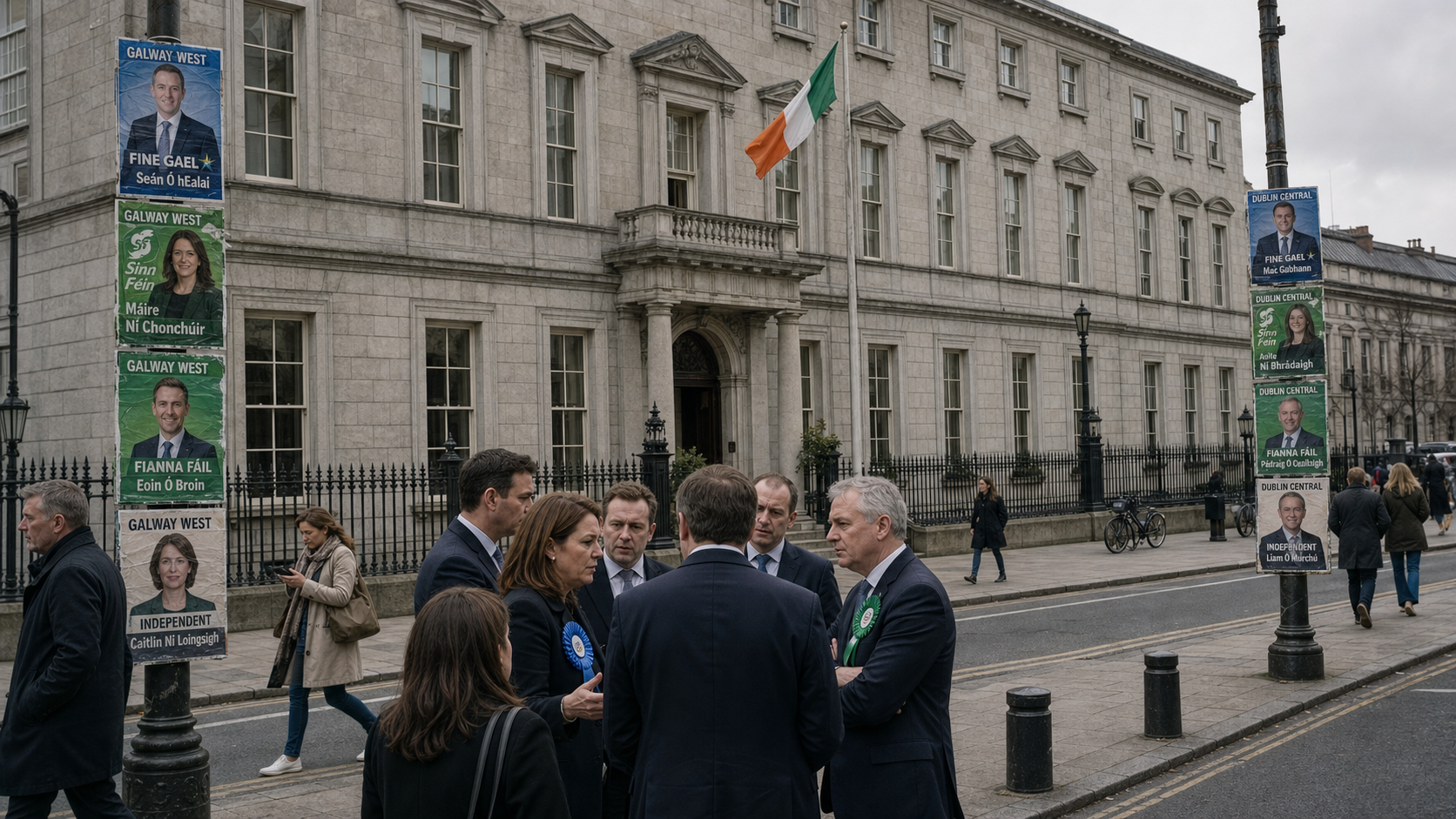
In Galway West, Fine Gael's Seán Kyne won the seat after a tight contest in which Noel Thomas of Independent Ireland led after the first count before being overtaken on transfers. The result was a significant relief for Fine Gael, which has struggled in by-elections in recent years, and was presented by the party as evidence that the coalition's economic record was resonating with voters in the west of Ireland.
In Dublin Central, the result was far more troubling for the government. Fianna Fáil's candidate finished in a distant third place, recording the party's worst ever by-election result in the constituency. The seat was won by a candidate with strong local roots and a profile built on community activism rather than party politics. Malachy Steenson and Gerard Hutch — the latter a figure with a complex public profile — both attracted significant first-preference votes, reflecting the depth of disillusionment with the established parties in parts of the north inner city.
Sinn Féin's performance in both constituencies was disappointing for the party. Despite being the largest opposition party in the Dáil, it failed to win either seat and saw its vote share fall short of expectations in both contests. The "vote left, transfer left" strategy that the party had hoped would deliver transfers from other left-wing candidates did not materialise to the extent anticipated.
Why It Matters
The by-election results matter because they provide a snapshot of the Irish political landscape at a moment of significant uncertainty. The surge in support for independent candidates — a trend that has been building since the 2020 general election — suggests that a significant proportion of the Irish electorate is disenchanted with all of the established parties and is looking for alternatives that are not defined by traditional party labels.
For Fianna Fáil, the Dublin Central result is a serious warning sign. The party's core vote in its traditional urban strongholds has been eroding for years, and the by-election result suggests that the erosion is continuing. If the party cannot hold its ground in Dublin Central, it raises questions about its ability to perform in other urban constituencies at the next general election.
For Sinn Féin, the failure to win either seat is a setback that will fuel internal debate about the party's electoral strategy. The party has been the largest in the Dáil since 2020, but it has struggled to translate that position into government, and its by-election performances have been inconsistent. The question of whether Sinn Féin can build a coalition capable of forming a government remains unanswered.
Local Impact
In Dublin Central, the by-election result has energised community activists who see the outcome as a validation of grassroots politics over party machines. Several community organisations in the north inner city have indicated that they will seek to build on the momentum generated by the campaign to press for greater investment in housing, addiction services and community infrastructure in the area.
In Galway West, Fine Gael's victory has been welcomed by business groups in the city who see the result as a sign of stability and continuity in the constituency's representation. However, the closeness of the contest and the strong performance of the independent candidate has served as a reminder that the seat is not safe and that the party will need to work hard to retain it at the next general election.
What's Next
The next general election is not due until 2029, but the by-election results will shape the political calculations of all parties in the intervening period. Fianna Fáil is expected to conduct an internal review of its Dublin Central campaign and to consider what changes are needed to its urban strategy. Sinn Féin's leadership is expected to face questions at the party's next ard fheis about its electoral performance. Fine Gael will seek to build on its Galway victory, while the independent movement will look to consolidate its gains and develop a more coherent political platform ahead of the next general election.