Starmer in Gulf to Secure Ceasefire as UK Pushes to Reopen Strait of Hormuz
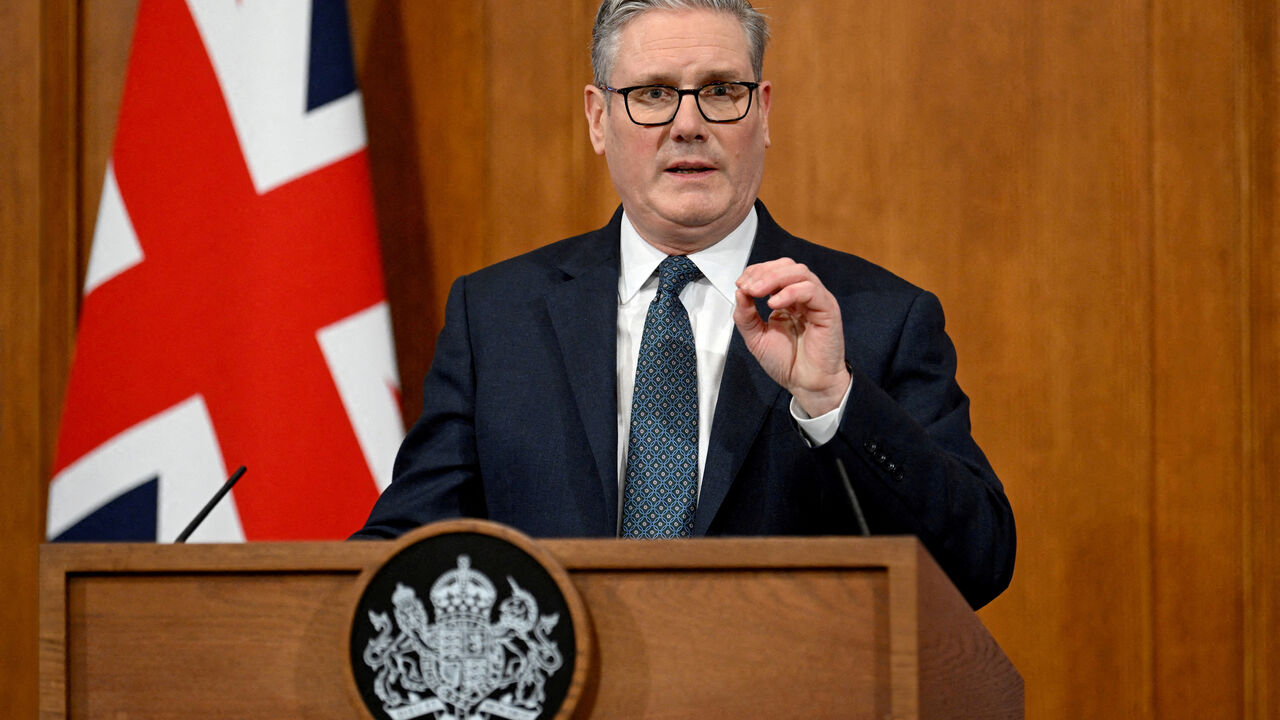
Prime Minister Keir Starmer has travelled to Saudi Arabia and the United Arab Emirates on a diplomatic mission to help make the fragile US-Iran ceasefire permanent and to press for the reopening of the Strait of Hormuz, the vital shipping lane whose closure has sent UK energy prices soaring.
Starmer met Saudi Crown Prince Mohammed bin Salman in Jeddah on Wednesday, where discussions centred on assembling a coalition of nations to guarantee safe transit through the strait. He also met UAE President Sheikh Mohamed in Abu Dhabi, expressing solidarity with the Emirates following Iranian attacks on neighbouring states.
Background
The US-Iran conflict, which erupted earlier this year over Iran's nuclear programme, led to Iran blocking the Strait of Hormuz — a chokepoint through which roughly a fifth of the world's energy shipments normally pass. The resulting spike in wholesale oil and gas prices has pushed up UK petrol costs and threatens to increase household energy bills when the Ofgem price cap is reset in July.
A two-week ceasefire was brokered by Pakistan after President Trump threatened severe consequences if Iran did not comply. However, the truce remains fragile, with Iran threatening to withdraw after Israel continued strikes on Hezbollah targets in Lebanon — a dimension Iran insists is covered by the deal, though the US and Israel dispute this.
Key Developments
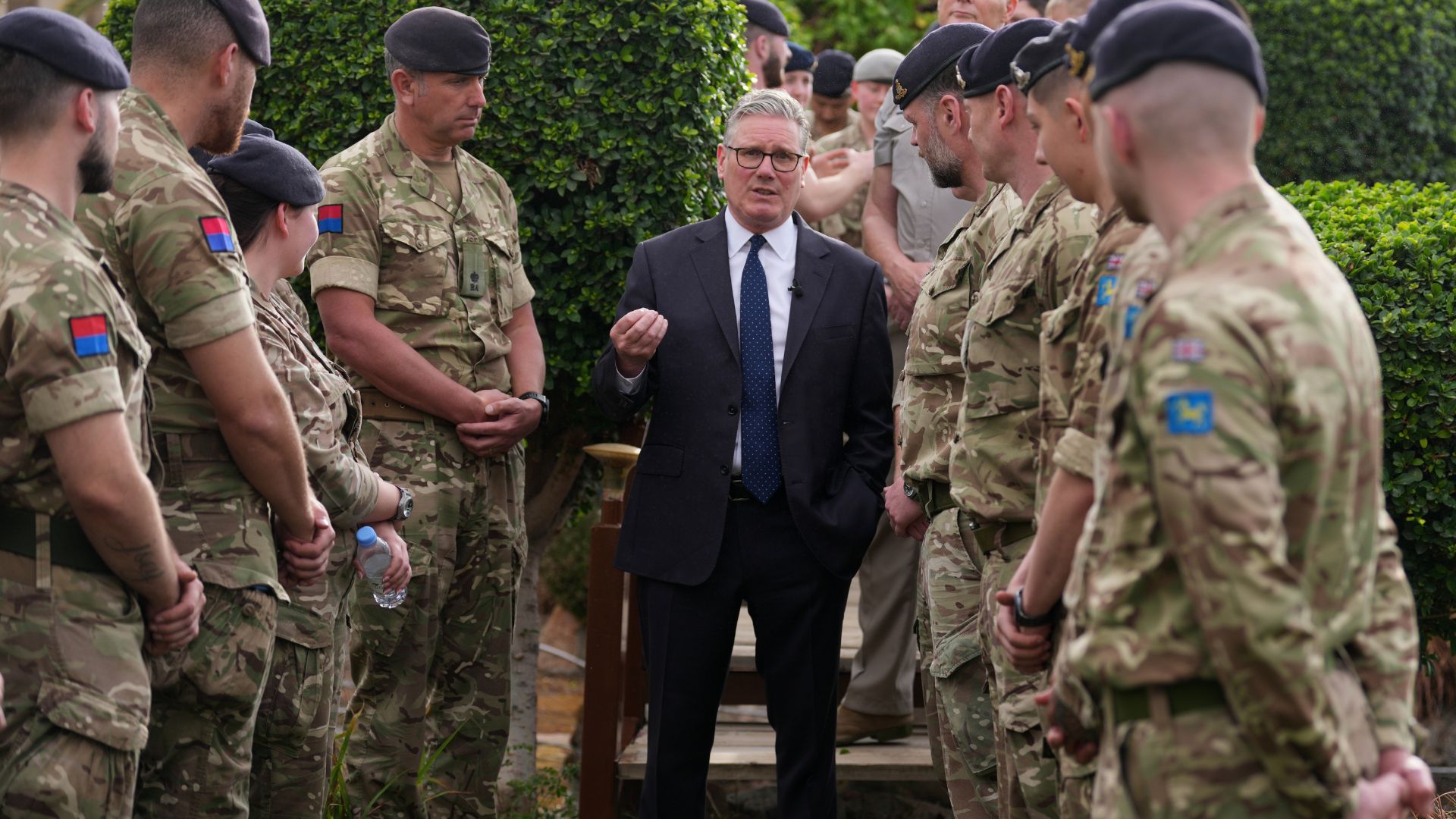
Speaking during his Gulf visit, Starmer acknowledged there was "a lot of work to do" to make the ceasefire permanent and to reopen the strait. The UK hosted a virtual summit involving more than 40 countries to assemble a maritime security coalition, followed by a military planning conference. Starmer also thanked Saudi Arabia for protecting British nationals in the region and committed to deploying the Sky Sabre air defence system in support.
Liberal Democrat leader Sir Ed Davey used the crisis to argue that the conflict had demonstrated Donald Trump was "not a dependable partner" for the UK, while Reform UK's Nigel Farage claimed Starmer would not be treated with respect during the Gulf visit. The Prime Minister dismissed such criticism, reaffirming the UK's commitment to NATO and its national interest.
Why It Matters
The Organisation for Economic Co-operation and Development has warned that the UK faces the biggest hit to economic growth from the Iran war among major economies. Chancellor Rachel Reeves has publicly criticised Trump for starting the conflict without a "clear plan" to exit it. With local elections looming on 7 May, the government is acutely aware that rising fuel and energy costs could translate directly into ballot-box punishment.
What's Next
Starmer is expected to use an upcoming UK-EU summit to seek greater economic and security cooperation with Brussels, having acknowledged that Brexit "did deep damage" to the economy. The government has also signalled it will announce a support package for food production and haulage sectors hit by the energy price surge. Whether the ceasefire holds — and whether the Strait of Hormuz reopens — will be the defining question for UK living standards in the months ahead.