Starmer Heads to Gulf to Shore Up 'Fragile' US-Iran Ceasefire
Prime Minister Keir Starmer arrived in Bahrain on Thursday as part of an urgent diplomatic tour of the Gulf, meeting with regional leaders to reinforce the fragile two-week ceasefire between the United States and Iran and push for the full reopening of the Strait of Hormuz.
Starmer met with Bahrain's King Hamad bin Isa Al Khalifa and Crown Prince Salman bin Hamad Al Khalifa on Thursday, with discussions centred on sustaining the pause in hostilities and ensuring the critical shipping lane remains open to international traffic without conditions or tolls.
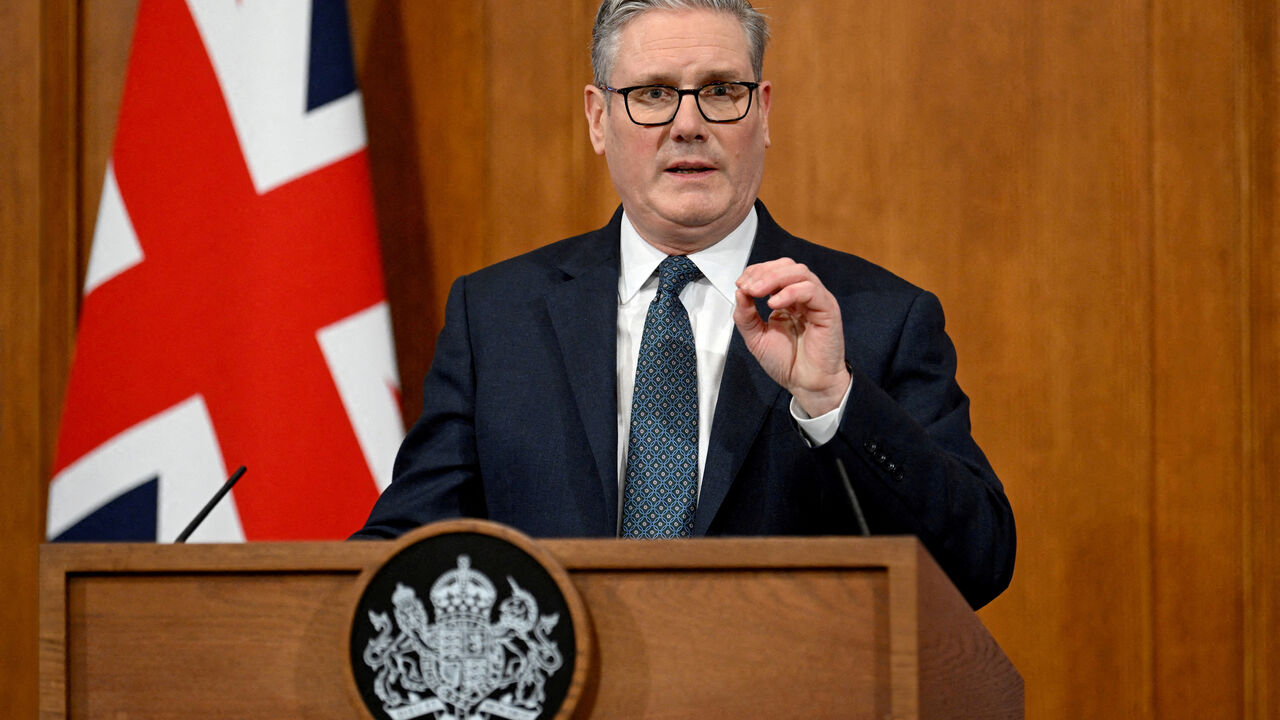
The Prime Minister described the ceasefire as a moment of relief for the region and the world, but was candid about the scale of the challenge ahead. Speaking ahead of his Bahrain meetings, Starmer said there was "a lot of work to do" to make the truce permanent and restore global energy flows disrupted by the 39-day conflict.
Background
The US-Iran conflict began in late February when US and Israeli forces launched coordinated strikes on Iran. Iran responded by closing the Strait of Hormuz — through which approximately 20 per cent of the world's oil typically passes — triggering a sharp spike in global energy prices. A two-week ceasefire, brokered by Pakistan, came into effect earlier this week, with high-stakes talks between US and Iranian officials beginning in Islamabad on Friday.
The closure of the Strait has had a direct impact on UK consumers, with petrol and diesel prices rising sharply and contributing to inflationary pressures. The UK government has been among the most vocal advocates for a swift and unconditional reopening of the waterway.
Key Developments
Starmer's Gulf tour also includes visits to Saudi Arabia, the UAE, and Qatar. He has stressed that "open means open for safe navigation" in response to reports that Iran may seek to charge transit fees for vessels passing through the Strait. The UK government has firmly opposed any such conditions.
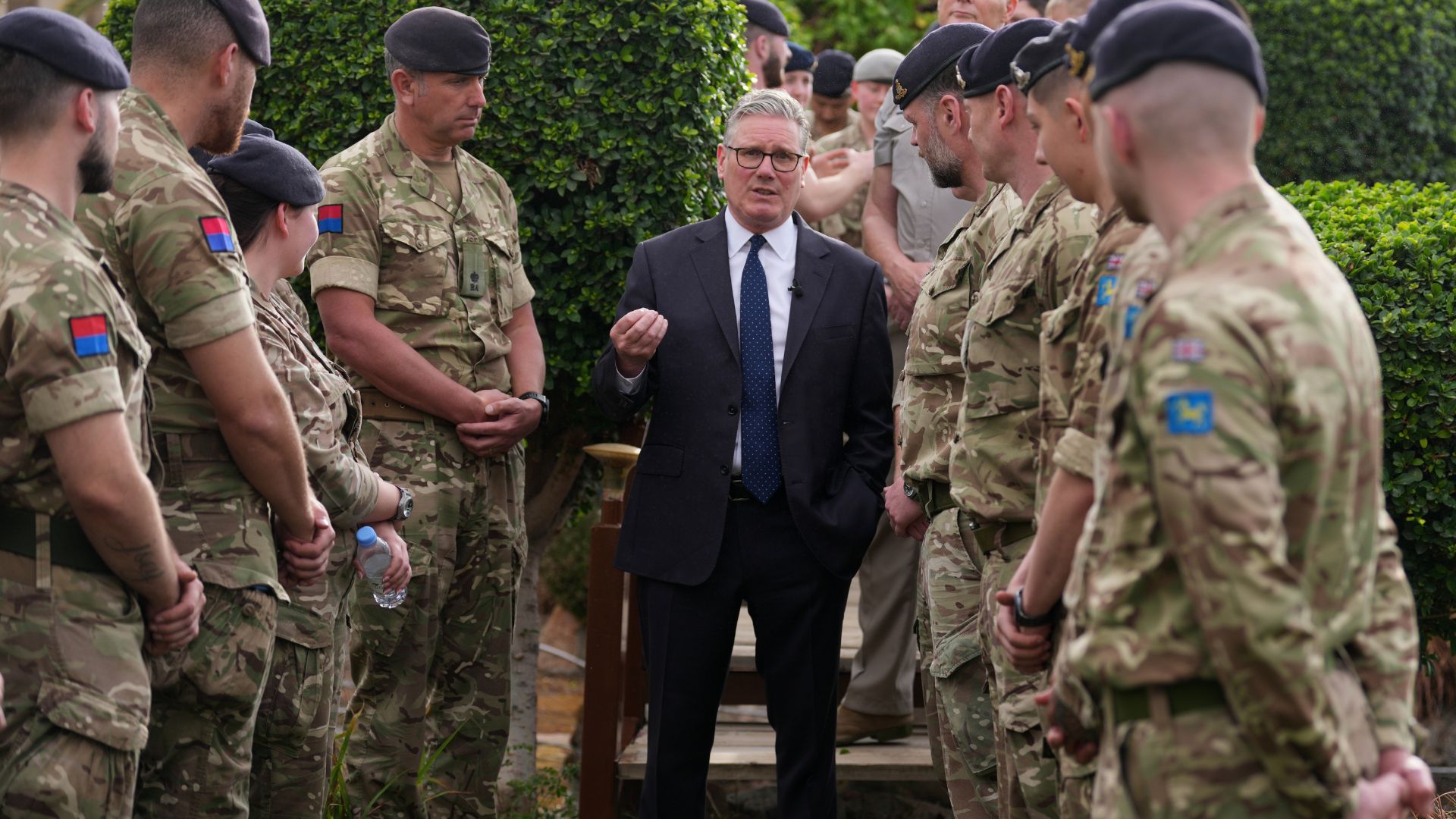
The Prime Minister also spoke with US President Donald Trump, with both leaders agreeing on the need for a "practical plan" to resume shipping through the Strait. Starmer thanked UK and allied armed forces in the region for their defensive operations, noting they had intercepted more than 110 drone attacks during the conflict.
However, the ceasefire remains under strain. Israel has continued its military campaign against Hezbollah in southern Lebanon, asserting that Lebanon is not covered by the truce — a position Iran disputes. Lebanon's health ministry reported hundreds of deaths from Israeli airstrikes earlier this week.
Why It Matters
For the UK, the stakes are significant. The Strait of Hormuz closure has driven up wholesale energy costs, adding to cost-of-living pressures already weighing on British households. The UK government has also been navigating a delicate balance between its close relationship with Washington and growing domestic criticism of its alignment with US foreign policy.
Chancellor Rachel Reeves had previously expressed frustration at the US decision to enter the conflict without a clear exit strategy, and opposition parties have continued to press Starmer on the UK's role in the crisis.
What's Next
Formal peace negotiations between the US and Iran are under way in Islamabad. Iran has presented a 10-point plan as a basis for a lasting agreement, which President Trump has described as a "workable basis," though significant gaps remain on issues including sanctions relief and uranium enrichment. The UK is expected to play a supporting diplomatic role as talks progress.
For the latest updates, see BBC News coverage of the ceasefire.