Starmer Faces Make-or-Break Moment as Labour Braces for May Elections
Prime Minister Keir Starmer is under mounting pressure as Labour prepares for crucial local, Welsh, and Scottish elections on 7 May 2026 — widely seen as the most significant test of his leadership since the party's landslide general election victory in 2024.
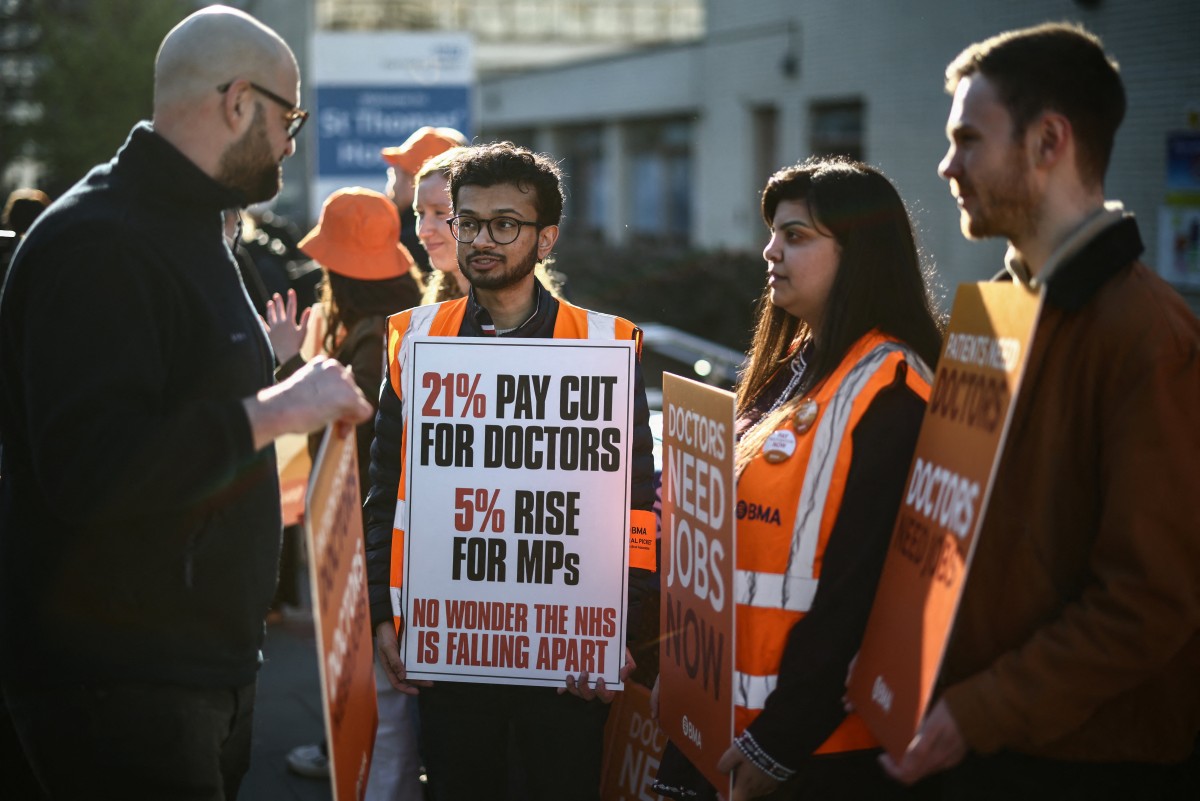
With polls consistently showing Labour haemorrhaging support to Reform UK and the Greens, senior figures within the party have begun openly discussing the prospect of a leadership challenge should the results prove catastrophic. An Ipsos poll from late 2025 placed Starmer's net approval rating at –46%, making him the least popular prime minister since 1977.
Background
Labour swept to power in July 2024 with a historic majority, ending 14 years of Conservative government. However, the party's fortunes have declined sharply since then, battered by a cost-of-living crisis, sluggish economic growth, and a series of political controversies. The May 2026 elections — covering more than 5,000 council seats across 136 English local authorities, the Welsh Senedd, and the Scottish Parliament — will be the first major electoral test of Starmer's second year in office.
Key Developments
Analysis by Professors Colin Rallings and Michael Thrasher of Exeter University suggests Labour could lose more than 1,000 councillors, with some projections pointing to losses closer to 2,000 if current trends hold. Labour is defending 2,557 seats — the largest number of any party — reflecting its strength in London and metropolitan areas following the 2022 cycle.
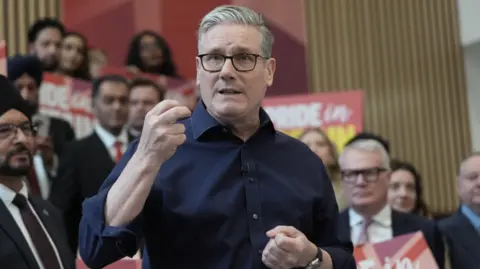
Starmer launched Labour's local election campaign on 30 March, framing the contest as a choice between Labour renewing the country and Reform UK, which he accused of feeding on grievance, decline and division. He has instructed his cabinet to be relentless in addressing the financial burden on households, pointing to minimum wage increases, Bank of England rate reductions, and energy bill support as evidence of progress.
Deputy Labour leader Lucy Powell has warned against a coup to oust Starmer after the May elections, despite a JL Partners poll indicating 64% of Britons want him replaced — including 46% of those who voted Labour in 2024. Health Secretary Wes Streeting, Greater Manchester Mayor Andy Burnham, and Home Secretary Shabana Mahmood are frequently cited as potential successors.
Why It Matters
The elections carry enormous symbolic weight. Labour currently controls the Welsh Senedd and numerous urban English councils — losing either would represent a seismic shift in British politics. In Wales, there are fears the party could be reduced to a junior coalition partner with Plaid Cymru for the first time since the Senedd's establishment in 1999. In Scotland, Labour faces stiff competition from both the SNP and a surging Reform UK.
Reform UK, which held only two council seats after the 2022 cycle, is expected to make significant gains, capitalising on voter frustration with both Labour and the Conservatives. The Liberal Democrats and Greens are also forecast to benefit.
What's Next
Polls close on 7 May at 10pm, with most results expected by the afternoon of 8 May. The voter registration deadline is 20 April. Political analysts will be watching closely for any sign that Starmer's position has become untenable — or whether Labour can limit its losses sufficiently to buy the prime minister more time.
For more on the 2026 local elections, see The Independent's full coverage.