UK Green Economy Grows at Eight Times the Rate of the Broader Economy
The UK's green economy grew by 10.2% in the last year, significantly outpacing the broader national economy's growth of 1.3% in 2025, generating approximately £83.1 billion in gross added value and demonstrating the sector's growing importance to Britain's economic future.
The figures, highlighted by the Confederation of British Industry (CBI), show that every £1 invested in the green economy generates an additional £1.89 in the wider economy, making it one of the most productive sectors in the UK. The data underscores the economic case for the government's clean energy and net zero ambitions.
Key Developments
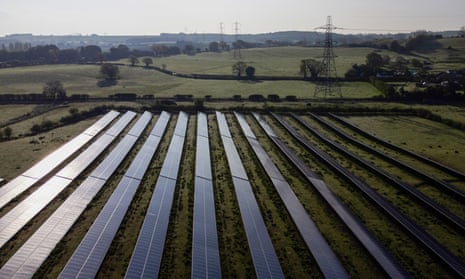
The UK's green economy encompasses a wide range of sectors, including renewable energy generation, energy efficiency, electric vehicles, sustainable construction, and environmental services. The 10.2% growth rate reflects strong investment in offshore wind, solar power, and heat pump technology, as well as growing demand for green products and services from businesses and consumers.
The UK, along with Belgium, Denmark, France, Germany, Iceland, Ireland, Luxembourg, the Netherlands, and Norway, has signed the Hamburg Declaration, committing to delivering 100 gigawatts of joint offshore wind projects across the North Sea by 2050. The UK's share of this commitment represents a significant expansion of its already substantial offshore wind capacity.
Research from Birmingham City University has also found that heat pumps can reduce energy use by up to two-thirds and alleviate pressure on the energy grid, debunking scepticism about their effectiveness and indicating their potential to avoid demand spikes during peak periods.
Background
The UK government has set ambitious targets for decarbonising the economy, including a commitment to clean power by 2030 and net zero emissions by 2050. The green economy's strong growth performance suggests that these targets are driving significant economic activity, even as the broader economy faces headwinds from the Iran war and elevated inflation.
Why It Matters
The green economy's outperformance of the broader economy provides a powerful argument for continued investment in clean energy and sustainability. For workers and communities in areas with strong green economy activity — including coastal regions with offshore wind installations and manufacturing areas producing electric vehicles and heat pumps — the sector represents a source of well-paid, skilled employment.
What's Next
The government is expected to publish further details of its clean energy investment plans in the coming months. The CBI and other business groups are calling for a stable, long-term policy framework to sustain the green economy's growth trajectory. Further details are available at Positive News.