FTSE 100 Sees Volatility as Ceasefire News Shakes Oil Markets
London's leading stock index, the FTSE 100, experienced a rollercoaster ride this week as investors reacted to fast-moving geopolitical events in the Middle East. On Wednesday, April 8th, the market surged by over 300 points, a rally of between 2.5% and 3.1%, reaching a one-month high. The catalyst was the announcement of a conditional ceasefire between the United States and Iran, which led to immediate relief in the energy markets. The price of Brent crude, the global oil benchmark, plummeted by 15%, falling below $94 a barrel for the first time in months. This dramatic drop in oil prices provided a significant boost to sectors heavily reliant on fuel, with airline stocks like IAG and easyJet soaring. The prospect of lower inflation and a potential shift in interest rate policy also buoyed banking and construction stocks, as reported by Reuters. The initial market reaction was one of clear optimism that the de-escalation would ease global economic pressures.
A Swift Reversal
The euphoria, however, proved to be short-lived. By the morning of Thursday, April 9th, the market sentiment had turned. The initial optimism gave way to a more cautious assessment of the situation as the complexities and fragility of the ceasefire became apparent. Oil prices staged a significant comeback, climbing 4.1% to trade at $98.70 a barrel, erasing a substantial portion of the previous day's losses. This rebound in energy prices immediately fed back into the stock market. The FTSE 100 fell by 0.3%, closing at 10,572.73. The reversal hit the very sectors that had led the rally. Companies sensitive to energy costs and consumer spending saw their gains pared back. The market volatility, as noted by Fortune, serves as a stark reminder of how tightly global financial markets are linked to geopolitical stability. The initial surge and subsequent retreat demonstrate the knife-edge on which investor confidence currently rests.
Impact on Economic Outlook
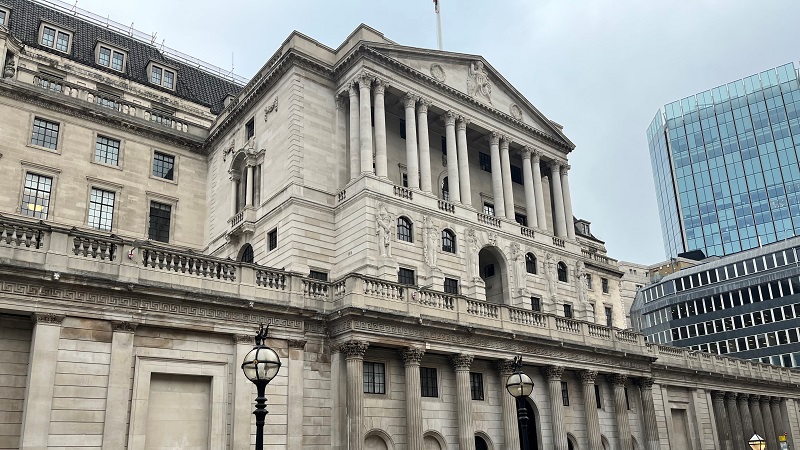
The whiplash in the markets also had a significant impact on the broader economic outlook and expectations for monetary policy. The initial sharp drop in oil prices on Wednesday had led many analysts to predict that the Bank of England might be in a position to cut interest rates sooner than previously anticipated, as the inflationary pressure from energy costs appeared to be easing. This prospect fuelled the rally in rate-sensitive sectors like banking and housebuilding, with major lenders such as Barclays, Lloyds, and NatWest all posting strong gains. However, as oil prices rebounded on Thursday, these expectations were quickly recalibrated. The prospect of persistently high energy prices puts renewed pressure on the Bank of England to maintain its hawkish stance on inflation. The rapid shift in market sentiment over just 24 hours illustrates the profound uncertainty facing the UK and global economies, with the path of interest rates and economic growth heavily dependent on the unpredictable situation in the Middle East.