Business 3 min read

Bank of England Warns Inflation Is Rising Again as Global Conflict Drives Energy Costs

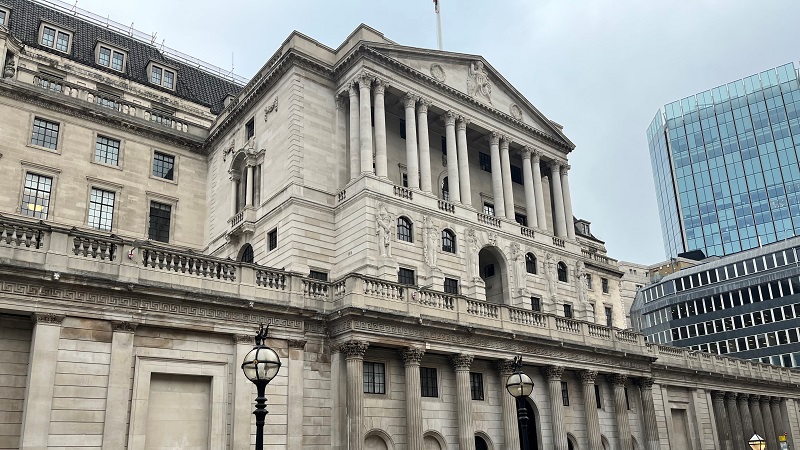
The Bank of England has warned that UK inflation is set to be approximately one percentage point higher than previously forecast in the third quarter of 2026, driven by rising global oil and gas prices linked to the ongoing conflict in the Strait of Hormuz. The Monetary Policy Committee voted unanimously to hold the base interest rate at 3.75%, ruling out imminent cuts.

Titanic NewsSunday, 12 April 20262 views
Bank of England Warns Inflation Is Rising Again as Global Conflict Drives Energy Costs

Bank of England Warns Inflation Is Rising Again as Global Conflict Drives Energy Costs

The Bank of England has issued a stark warning that UK inflation is rising once more, driven by surging global energy prices linked to the ongoing conflict in the Strait of Hormuz β€” a development that has prompted the Monetary Policy Committee to hold interest rates at 3.75% and signal that cuts are off the table for the foreseeable future.

In its latest assessment, the Bank's Monetary Policy Committee (MPC) projected that the headline inflation rate will be approximately one percentage point higher than previously forecast in the third quarter of 2026. The Bank directly attributed this resurgence to the economic consequences of the US-led military engagement in the Strait of Hormuz, which has disrupted global energy markets and pushed commodity prices sharply higher.

Rate Decision and Outlook

The MPC voted unanimously to maintain the base interest rate at its current level of 3.75%. The decision reflects a cautious approach, balancing the need to control inflation against the risk of stifling economic growth at a time of significant global uncertainty.

Crucially, the Bank's commentary explicitly ruled out the possibility of imminent interest rate cuts. The committee also left the door open for future rate hikes, stating that such measures may become necessary if inflationary pressures prove more persistent than anticipated. This stance suggests that businesses and consumers should prepare for a prolonged period of higher borrowing costs.

Impact on UK Households and Businesses

The renewed inflationary pressure comes at a difficult time for UK households already grappling with elevated mortgage costs and a sluggish housing market. Energy bills, which had begun to ease in late 2025, are now expected to rise again as global oil and gas prices climb.

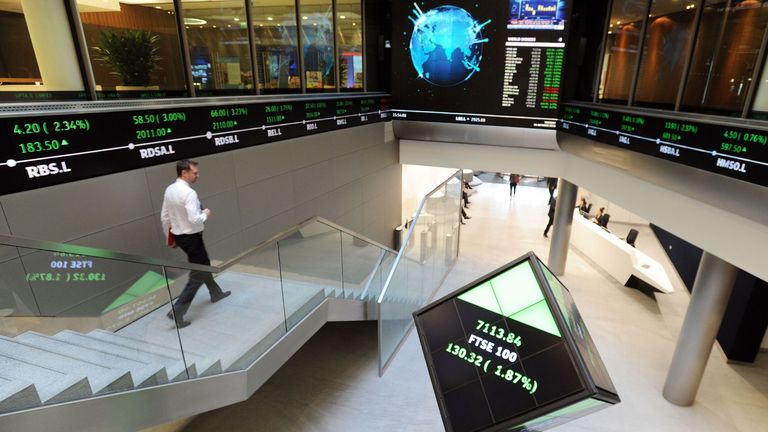
For businesses, the prospect of sustained higher interest rates adds to the challenge of managing costs in an uncertain trading environment. The FTSE 100 has shown volatility in recent sessions as investors digest the implications of the Bank's hawkish stance.

Background

The Bank of England had been on a gradual rate-cutting cycle through much of 2025, having reduced rates from a peak of 5.25% in 2023. The renewed inflationary threat now threatens to reverse that progress, with the MPC signalling that the path back to the 2% inflation target will be longer and more difficult than previously hoped.

What's Next

The next MPC meeting is scheduled for May 2026. Analysts will be watching closely for any signs that the Bank is prepared to tighten policy further if energy prices continue to rise. For UK consumers, the message from Threadneedle Street is clear: relief on borrowing costs is unlikely to arrive soon.

The Bank of England's full statement is available at bankofengland.co.uk.
What's Your Take?

Bank of EnglandInflationInterest RatesUK EconomyBusiness
Share:

Related Stories

UK Economy Under Pressure as Middle East Conflict Drives Oil Surge and Rate Rise Fears
Business

UK Economy Under Pressure as Middle East Conflict Drives Oil Surge and Rate Rise Fears

The UK economy faces mounting pressure in April 2026 as the Middle East conflict drives oil prices above $100 per barrel, pushing inflation expectations higher and reversing earlier forecasts of Bank of England rate cuts. With the next rate decision due on 30 April, markets are now pricing in a possible rise by July, adding to the squeeze on UK households and businesses.

Titanic News
3 min read12 Apr 2026
UK Business Rates Overhaul Takes Effect as FTSE Navigates Tariff Headwinds
Business

UK Business Rates Overhaul Takes Effect as FTSE Navigates Tariff Headwinds

A major overhaul of UK business rates took effect on 1 April 2026, introducing new multipliers that provide permanent relief for retail, hospitality, and leisure businesses while increasing contributions from larger commercial properties. The changes arrive as the FTSE 100 navigates fresh uncertainty from international tariff threats and elevated inflation.

Titanic News
3 min read12 Apr 2026
Ireland Fuel Protests Bring Country to Standstill as Garda Moves to Enforcement Phase
Business

Ireland Fuel Protests Bring Country to Standstill as Garda Moves to Enforcement Phase

Ireland has been brought to a near-standstill by fuel protests that have blockaded the country's only oil refinery, major motorways, and fuel terminals, causing shortages at over 100 petrol stations and prompting the Garda Commissioner to vow further enforcement action. The demonstrations, driven by soaring fuel prices linked to the Middle East conflict, have led to DPD suspending all deliveries and the government putting the army on standby.

Titanic News
3 min read11 Apr 2026
FTSE 100 Holds Firm as Oil Prices Creep Back Towards $100 Amid Iran Ceasefire Doubts
Business

FTSE 100 Holds Firm as Oil Prices Creep Back Towards $100 Amid Iran Ceasefire Doubts

The FTSE 100 held near 10,616 on Friday as oil prices crept back towards $100 a barrel, with investors growing sceptical about the durability of the US-Iran ceasefire. The index has been on a rollercoaster since the Iran war began in February, with UK inflation expectations rising to 5.4% and household energy bills set to increase further.

Titanic News
3 min read11 Apr 2026