FTSE 100 Holds Firm as Oil Prices Creep Back Towards $100 Amid Iran Ceasefire Doubts
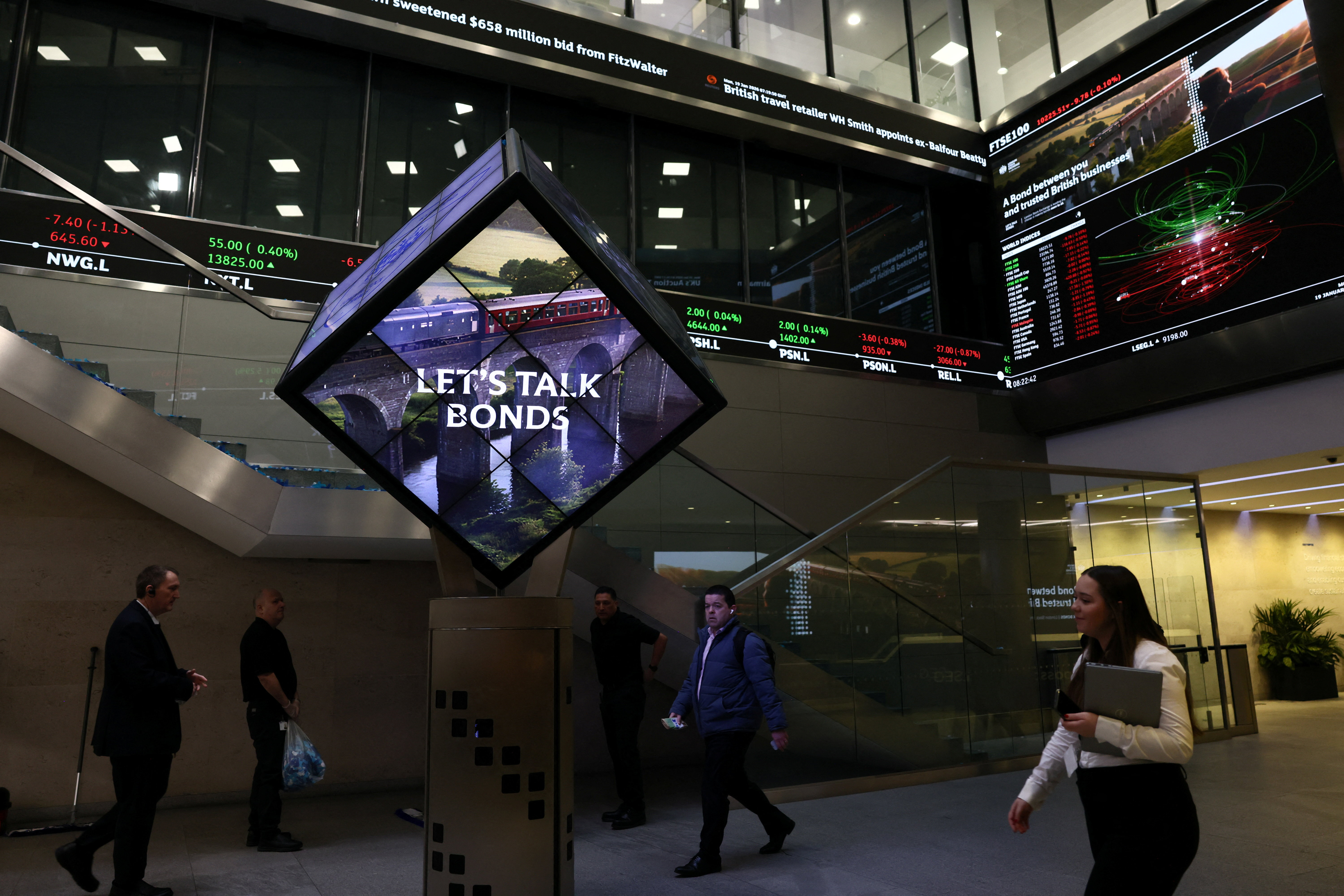
The FTSE 100 held near recent highs on Friday as oil prices climbed back towards $100 a barrel, with investors growing increasingly sceptical about the durability of the US-Iran ceasefire that had briefly sent markets surging earlier this week.
The index, which had surged 2.66% on 8 April following the announcement of a conditional two-week ceasefire between the United States and Iran, has since given back some of those gains as doubts emerged about whether the truce would hold. Brent crude, which had plunged 15.5% to $92.28 a barrel on the day of the ceasefire announcement, has since recovered to approach $100 per barrel as shipping through the Strait of Hormuz remains severely restricted.
Background
The FTSE 100 has experienced extraordinary volatility since the Iran war began in late February 2026. The index lost all its year-to-date gains by 20 March, falling to 9,918 points, before staging a dramatic recovery on ceasefire hopes. The conflict has driven Brent crude to around $97-$102 per barrel, up from $70 in February, pushing UK inflation expectations to 5.4% year-ahead and prompting fears of a significant increase in household energy bills.
Key Developments
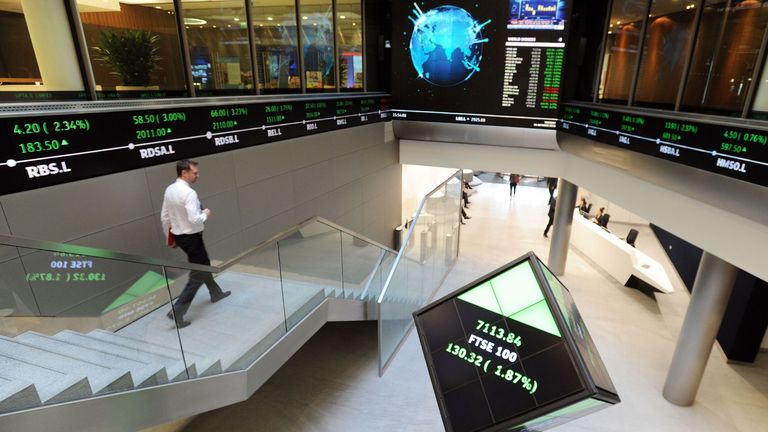
On Friday 10 April, the FTSE 100 stood at 10,616.65, up 0.1%, supported by gains in energy, mining, and financial stocks. The index's composition — with large weightings in energy companies such as Shell and BP, miners, and defensive healthcare names — has provided some insulation against the broader market turbulence, as higher crude prices support the revenues of these heavyweight constituents.
However, the domestic economic picture remains challenging. Household inflation expectations have risen sharply, mortgage rates have increased by over 60 basis points since February, and loan defaults have climbed to 6.2%. The Institute of Directors reports that 69% of manufacturers are experiencing negative impacts from the conflict, including increased fuel, shipping, and material costs.
The Bank of England faces a difficult dilemma: energy-driven inflation may require interest rate rises, but raising rates risks deepening the economic slowdown already under way. The OECD has cut its UK growth forecast by 0.5 percentage points to 0.7% for 2026.
Why It Matters
The FTSE 100's resilience masks significant underlying stress in the UK economy. With approximately 1.8 million households due to refinance their mortgages this year, rising interest rates would add further pressure to already stretched household budgets. The energy price cap is forecast to increase by £288 in July, and food prices are expected to rise as farmers face soaring fuel costs.
What's Next
Markets will be closely watching the outcome of US-Iran peace talks in Islamabad, which began on Saturday 11 April. A durable ceasefire and reopening of the Strait of Hormuz would ease oil prices and reduce inflationary pressure, potentially allowing the Bank of England to hold rates steady. Failure to reach a permanent agreement could push oil prices higher still, with serious consequences for UK households and businesses.
Market analysis is available via CPA and The Guardian.