FTSE 100 Edges Lower as Ceasefire Uncertainty Weighs on Markets
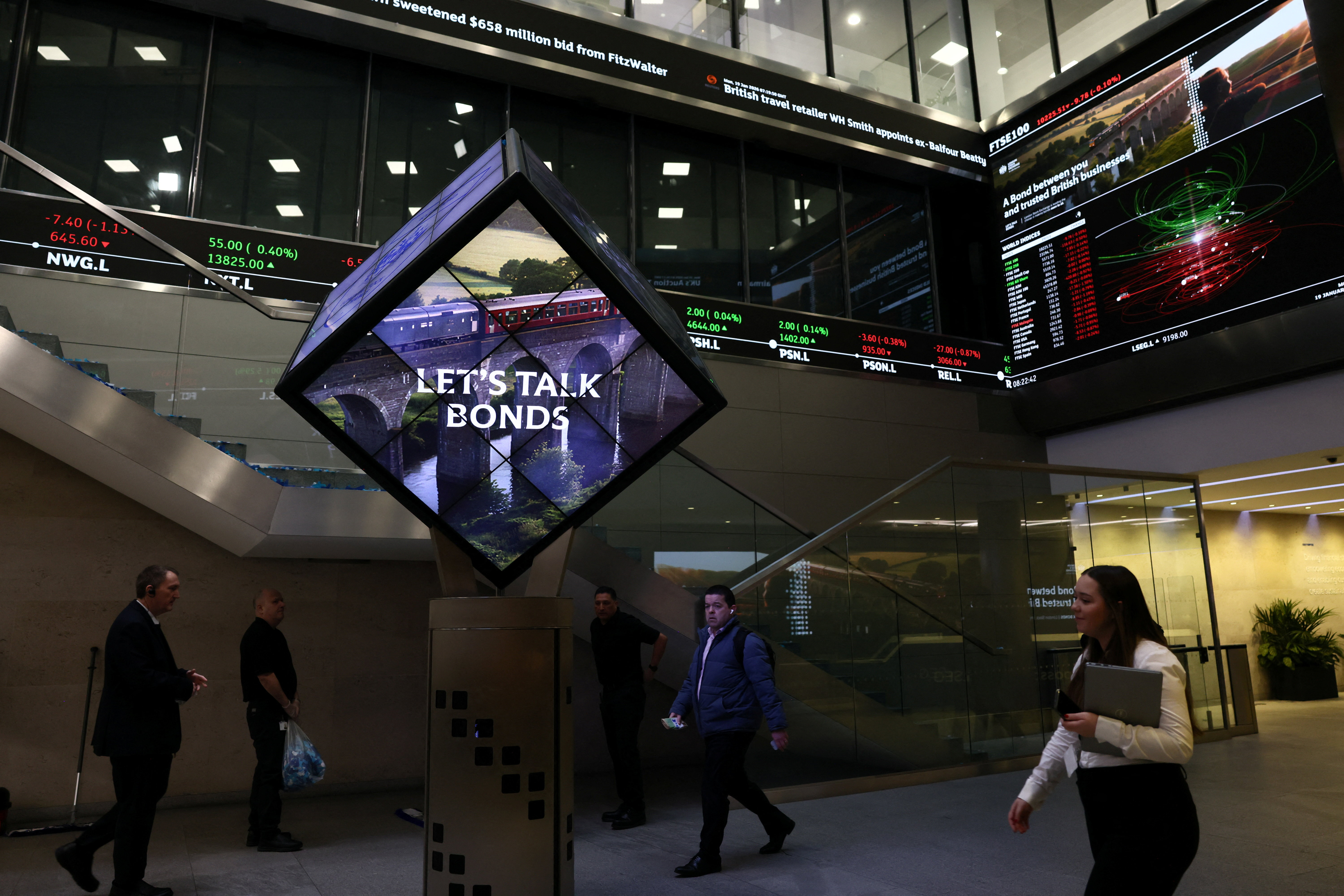
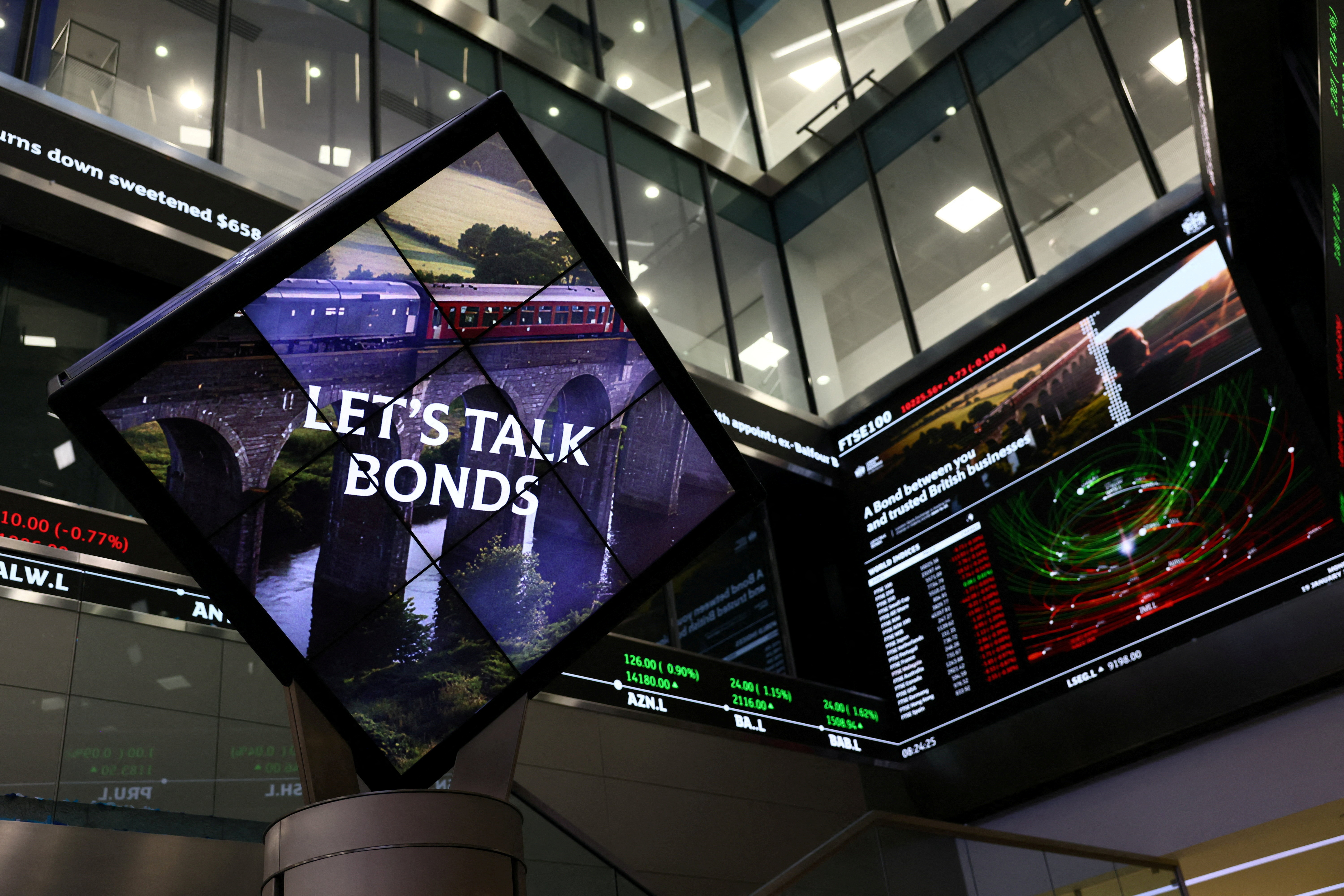
The FTSE 100 closed marginally lower on Thursday, slipping to 10,604 points as investor caution over the fragile US-Iran ceasefire and continued uncertainty around the Strait of Hormuz offset earlier relief rally gains.
The UK's benchmark index fell 0.05 per cent on the day, pulling back from a 2.5 per cent relief rally in the previous session that had followed the announcement of the two-week truce between Washington and Tehran. Analysts pointed to lingering doubts about whether the ceasefire would hold and whether the critical oil shipping lane would fully reopen as the primary drivers of the cautious mood.
Background
The FTSE 100 has had a turbulent start to 2026. The index broke the 10,000-point barrier for the first time on 2 January, a milestone Chancellor Rachel Reeves described as a "vote of confidence in Britain's economy." It subsequently reached an all-time high of 10,934 in February before the onset of the US-Iran conflict and associated energy market disruptions began to weigh on sentiment.
The closure of the Strait of Hormuz — through which a fifth of the world's oil typically flows — has pushed wholesale energy prices sharply higher, adding to inflationary pressures in the UK and complicating the Bank of England's monetary policy outlook.
Key Developments
UK government borrowing rose to £151.9 billion in the year to March, the third-highest level since 1947, adding to the fiscal pressures facing Chancellor Reeves. The Office for Budget Responsibility has warned that a prolonged global trade war, combined with energy market disruption, could reduce UK GDP by up to 1 per cent and push inflation 0.6 percentage points higher by 2026-27.
Reeves has been in Washington seeking to finalise a trade deal with the United States that would exempt the UK from the 10 per cent baseline tariff on most goods and address the 25 per cent levies on cars, aluminium, and steel. The Chancellor has confirmed the UK will not impose retaliatory tariffs on the US, emphasising that Britain's advantage lies in reducing trade barriers rather than escalating disputes.
Oil prices remain elevated despite the ceasefire announcement, with analysts warning it could take months for the global energy market to fully recover. The uncertainty is also making transit through the Strait risky, with few vessels having passed through in recent days.
Why It Matters
For UK households and businesses, the combination of elevated energy costs, rising borrowing, and trade uncertainty represents a significant headwind. Mortgage rates have risen in recent weeks as inflation expectations have been revised upward, and house prices fell in March for the first time in several months.
The Bank of England is reported to be divided on how to respond to energy-induced inflation, with some members favouring a pause in rate cuts while others argue the economic slowdown warrants continued easing.
What's Next
Markets will be closely watching the progress of US-Iran peace talks in Islamabad and any developments on the Strait of Hormuz reopening. A durable resolution to the conflict would likely provide a significant boost to UK equities and ease pressure on the Bank of England. Reeves is expected to provide an update on trade negotiations in the coming days.
For more on UK market developments, see the Financial Times UK economy coverage.