FTSE 100 Closes Cautiously as Markets Eye US-Iran Ceasefire Talks
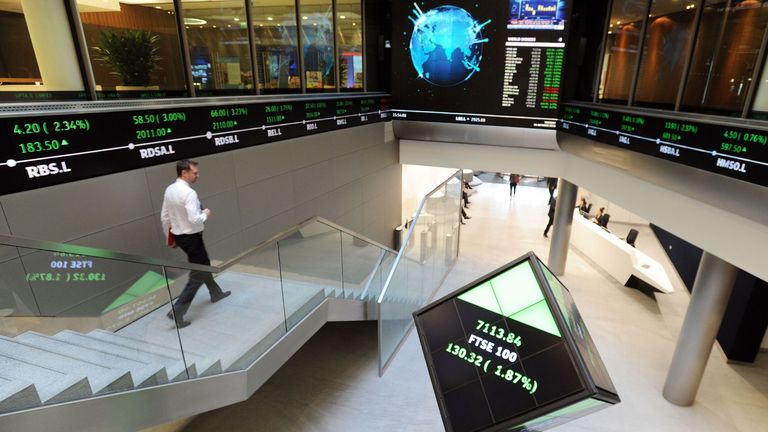
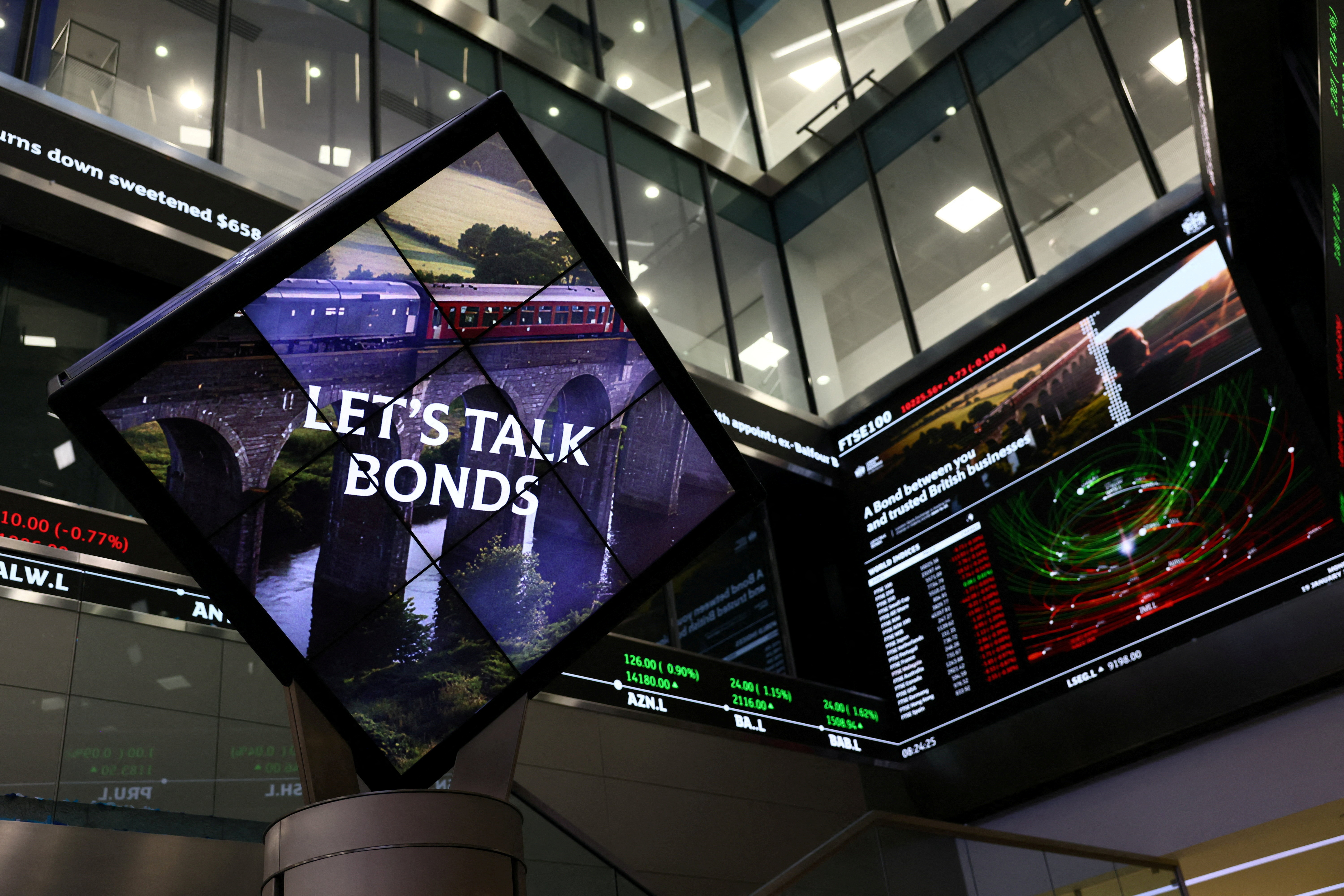
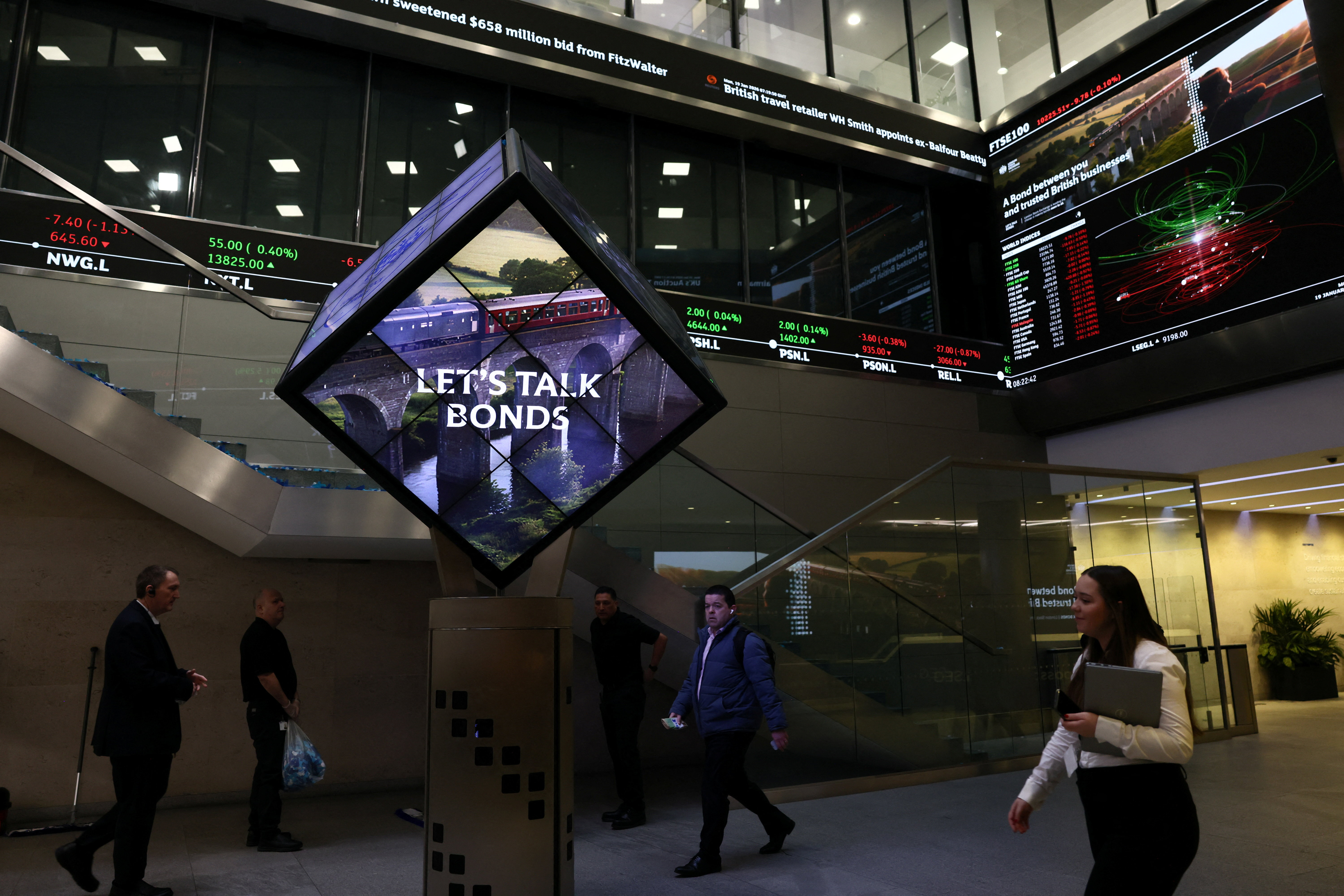
The FTSE 100 closed almost flat on Friday 10 April, paring early gains as investors adopted a cautious stance ahead of high-stakes US-Iran ceasefire negotiations scheduled for the weekend, with the index finishing the day at 10,601 points — a marginal decline of 0.03% from the previous session.
Despite the subdued daily close, the index recorded a weekly gain of 1.6%, reflecting cautious optimism that a diplomatic resolution to the Iran conflict could ease pressure on global energy markets and supply chains that have weighed on UK businesses throughout the year.
What Moved the Market
Metals, mining stocks, and retailers provided support to the index on Friday, while the aerospace and defence sectors struggled. Among the top gainers were Convatec Group, Endeavour Mining, and Antofagasta, while Metlen Energy & Metals, BAE Systems, and Babcock International saw declines.
The defence sector's weakness was notable given the week's geopolitical backdrop, which included the UK Ministry of Defence's revelation that the Royal Navy had spent over a month tracking Russian submarines surveying undersea cables in the North Atlantic. Analysts suggested that while the news underscored ongoing security concerns, markets were more focused on the potential for an Iran deal to reduce oil price volatility.
Key Developments
The FTSE 100 reached an all-time high of 10,934.94 in February 2026 and has since pulled back modestly. The index has risen 33.1% over the past year, outperforming many European peers, partly due to its heavy weighting in energy, mining, and financial stocks that have benefited from elevated commodity prices.
The Bank of England is widely expected to implement further interest rate cuts in 2026, with the median market expectation pointing to two additional reductions that would bring the main bank rate down to 3.25%. However, persistent inflation — which Goldman Sachs forecasts will remain above the Bank's 2% target throughout 2026 — is complicating the central bank's decision-making. The spectre of stagflation, combining stagnant growth with elevated prices, remains a concern for policymakers.
Why It Matters
For UK households and businesses, the direction of the FTSE 100 and interest rates has direct implications. Pension funds, ISAs, and savings products are all linked to market performance, while the Bank of England's rate decisions affect mortgage costs, business borrowing, and the broader cost of living. A successful US-Iran deal could reduce energy costs significantly, providing relief to both consumers and businesses still grappling with elevated utility bills.
UK inflation has been notably higher than that of many European peers, including France, Germany, and the EU average, highlighting the specific challenges facing the British economy as it navigates a difficult global environment.
What's Next
All eyes will be on the outcome of the US-Iran talks over the weekend. A positive result could provide a significant boost to UK markets when trading resumes on Tuesday following the Easter bank holiday. The Bank of England's next Monetary Policy Committee meeting will also be closely watched for signals on the pace of future rate cuts.
Market data sourced from Trading Economics and the Financial Times.