UK Business Rates Overhaul Takes Effect as FTSE Navigates Tariff Headwinds
A sweeping overhaul of the UK's business rates system came into force on 1 April 2026, introducing new multipliers and relief schemes that will reshape the cost base for tens of thousands of businesses — from high street retailers to large commercial landlords — just as the FTSE 100 grapples with fresh uncertainty from international tariff threats.
The changes, stemming from Chancellor Rachel Reeves' Autumn 2025 Budget, represent the most significant reform to business rates in England in years, and arrive at a moment of considerable economic turbulence for UK businesses.
Background
Business rates — the property tax levied on commercial premises — have long been criticised by retailers and hospitality operators as outdated and punishing. The 2026 reform introduces a new three-yearly revaluation cycle and five separate multipliers, replacing the previous two-tier system. The Valuation Office Agency has already published the 2026 draft rating list, with councils now reviewing individual properties to determine which multiplier applies.
Key Developments
The new multiplier structure provides permanent relief for Retail, Hospitality, and Leisure (RHL) properties, while increasing contributions from larger businesses with higher rateable values. The five multipliers for 2026/27 are: a small business RHL rate of 38.2p; a small non-domestic rate of 43.2p; a standard RHL rate of 43.0p; a standard non-domestic rate of 48.0p; and a high-value rate of 50.8p for properties with a rateable value of £500,000 or above.
Transitional relief caps bill increases for properties whose rates rise due to the revaluation — limiting increases to 5% for small properties, 15% for medium, and 30% for large in the first year. Pubs and live music venues will receive a 15% business rates relief from April 2026, with bills frozen in real terms for a further two years.
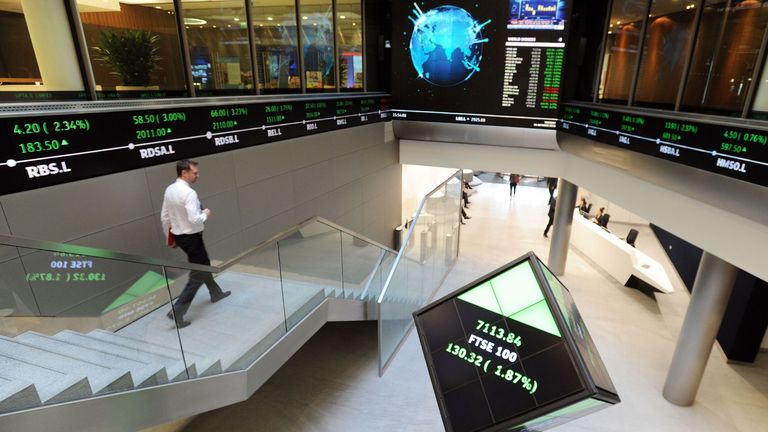
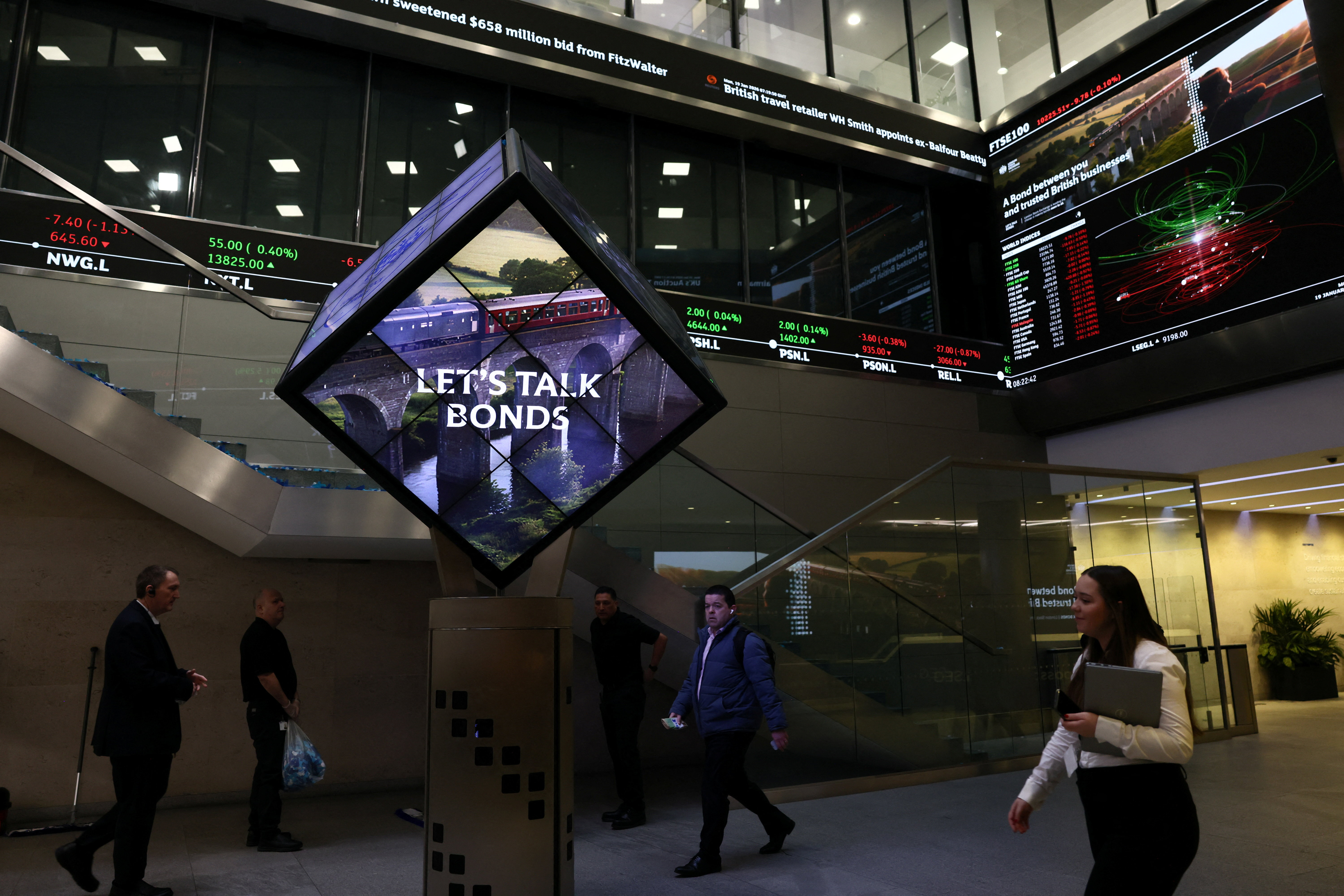
Meanwhile, the FTSE 100 closed at 10,601 points on 10 April 2026, up 33.1% year-on-year, though daily movements continue to be influenced by geopolitical events. Analysts note that uncertainty surrounding US tariffs — including President Trump's 50% tariff threat against nations supplying weapons to Iran — has added volatility, particularly for defence stocks such as BAE Systems and Babcock International, which fell on 10 April despite strong year-to-date performance.
Why It Matters
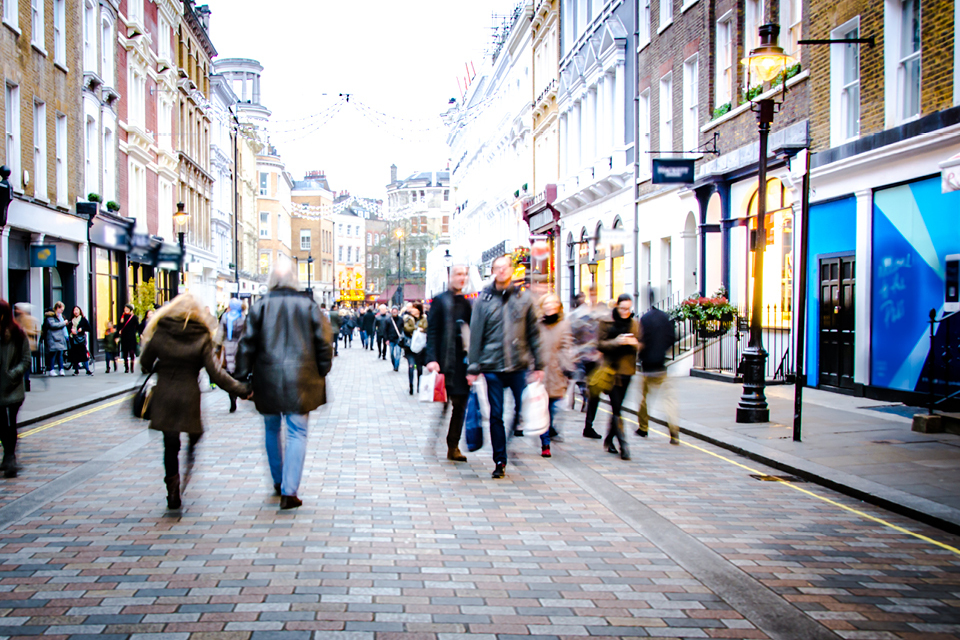
For UK high streets, the business rates reform could provide meaningful relief to struggling retailers and hospitality businesses, many of which have faced a brutal combination of rising costs, weak consumer confidence, and competition from online rivals. The permanent RHL relief is particularly significant for pubs, restaurants, and independent shops.
However, larger commercial landlords and businesses in premium locations face higher bills under the new high-value multiplier, and some property experts warn that the transitional relief caps may not be sufficient to prevent shock increases for certain occupiers.
What's Next
The Bank of England's Monetary Policy Committee meets on 30 April 2026, with markets watching closely for signals on interest rates. UK inflation stood at 3.0% in February 2026, above the Bank's 2% target, and the ongoing Middle East conflict has pushed oil prices above $100 per barrel, complicating the rate outlook. The next major fiscal event — Chancellor Reeves' Budget — is expected in October or November 2026.
For more detail on the business rates changes, see the GOV.UK business rates revaluation page.