UK Government Faces Decisive Month on Migration and Human Rights as King's Speech Looms
The Labour government is bracing for a politically charged May, with a packed legislative agenda set to be unveiled in the King's Speech and a critical decision looming on the United Kingdom's membership of the European Convention on Human Rights (ECHR). Prime Minister Keir Starmer is battling to assert control over his party and his premiership, with his hardline migration reforms facing intense scrutiny and the very real prospect of a showdown over the UK's relationship with the foundational human rights treaty.
Background
Less than two years after a significant election victory, Keir Starmer's Labour government finds itself at a critical juncture. Having promised a new era of stability and competence, the administration is now grappling with a series of deeply entrenched national issues, from a backlogged court system and a crisis in special needs education to the ever-present political landmine of migration. The government's popularity has been challenged by the rise of the right-wing populist party Reform UK, forcing Labour to adopt a tougher stance on several key policy areas, most notably immigration.
This has led to a profound internal debate within the Labour party and the wider country about the UK's commitment to international human rights law. The European Convention on Human Rights, a treaty the UK helped to draft in the aftermath of the Second World War, has become a focal point of this debate. Critics on the right argue that its interpretation by the European Court of Human Rights in Strasbourg has overreached, particularly in cases involving the deportation of foreign nationals. This has created a political flashpoint, with pressure mounting on the government to withdraw from the convention entirely.
Key Developments
The government's legislative priorities for the next parliamentary session will be laid out in the King's Speech, expected in May shortly after the local elections. Key proposals expected to be included are the introduction of a mandatory digital ID system, controversial reforms to jury trials aimed at clearing court backlogs, and new legislation to address the crisis in Special Educational Needs and Disabilities (SEND) support.
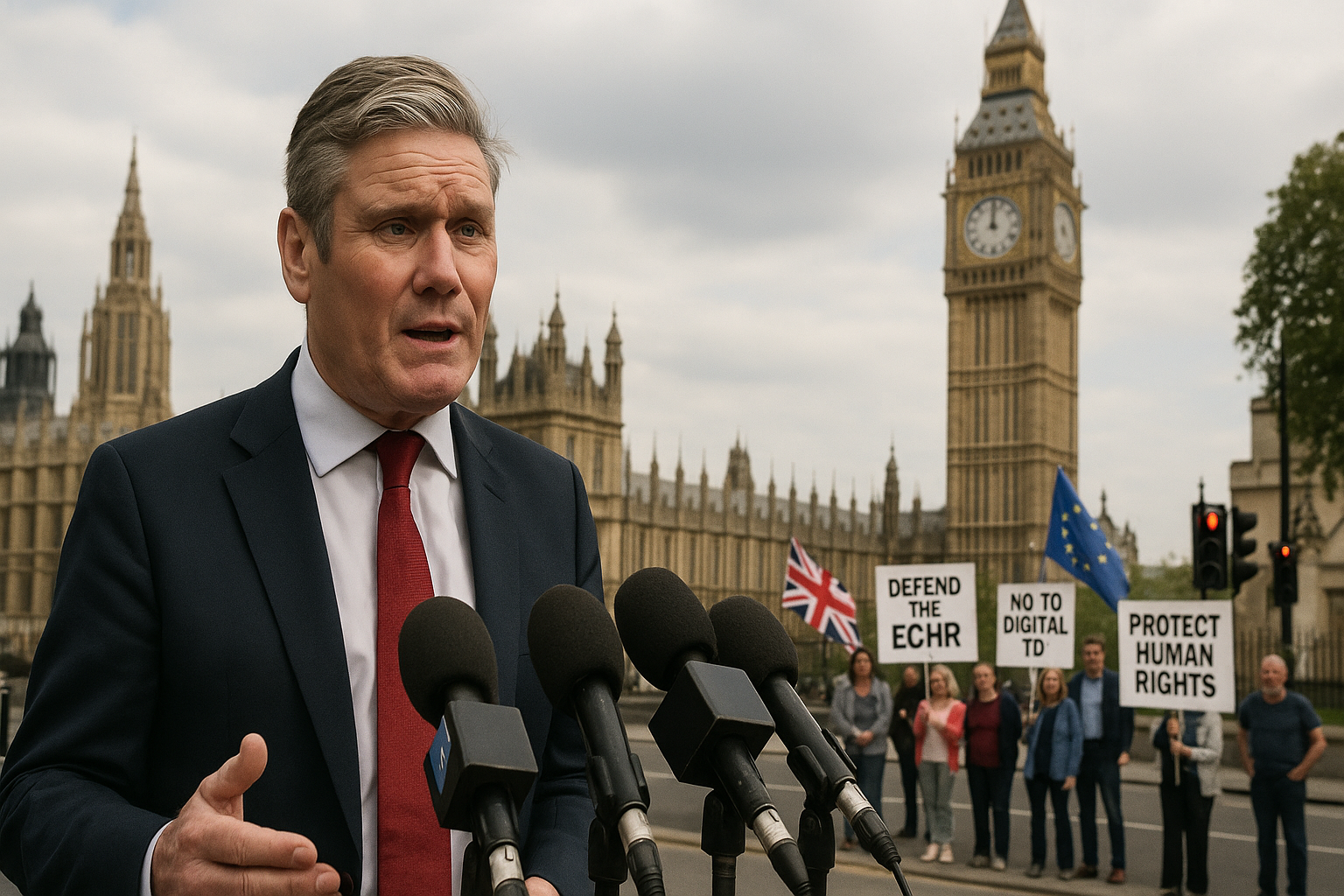
However, it is the government's migration agenda that will dominate the political landscape. Home Secretary Shabana Mahmood is tasked with delivering on Labour's promise of hardline reforms, but the details are proving divisive. The most critical decision centres on the ECHR. A crunch meeting of the Council of Europe's foreign ministers is scheduled for 15 May, where the UK will push for changes to how the convention is applied, particularly regarding deportations. If these negotiations fail, the government has not ruled out a full withdrawal from the ECHR, a move that would have profound constitutional and international implications. According to POLITICO, an official familiar with the government's thinking stated that while the preference is to reform the interpretation of the convention, "all options remain on the table" to ensure the UK can control its borders. Further details on the government's legislative agenda are available on the UK Government website.
Why It Matters
The potential withdrawal from the ECHR would be a seismic moment in British history. The convention is woven into the fabric of UK law through the Human Rights Act and underpins the devolution settlements in Scotland and Wales, as well as the Good Friday Agreement in Northern Ireland. Leaving it would not only create a legal and constitutional firestorm at home but would also severely damage the UK's international standing as a champion of human rights. It would align the UK with countries like Russia and Belarus, the only other European nations outside the convention. This is a decision of immense gravity, with consequences that would reverberate for decades.
The broader legislative agenda outlined in the King's Speech reveals a government attempting to tackle long-term, structural problems. However, the controversial nature of many of the proposals, such as digital IDs and jury trial reform, means they will face significant opposition. Starmer's ability to navigate these challenges and deliver on his promises will be the ultimate test of his premiership. The month of May could very well determine the trajectory of his government and the UK's place in the world.
Local Impact
For people across the UK, the outcome of these political battles will have a direct impact on their rights and the services they receive. A withdrawal from the ECHR could weaken the legal protections available to all citizens, making it harder to challenge unfair decisions by public bodies. The introduction of a mandatory digital ID would change the relationship between the citizen and the state, raising concerns about privacy and data security. Reforms to the SEND system will be watched anxiously by thousands of families who are currently struggling to get the support their children need.
The government's focus on migration, while politically potent, also has a human cost. The constant uncertainty and hostile rhetoric create a climate of fear for migrant communities across the UK and Ireland. The decisions made in Westminster in the coming weeks will be felt deeply in homes, schools, and workplaces across these islands.
What's Next
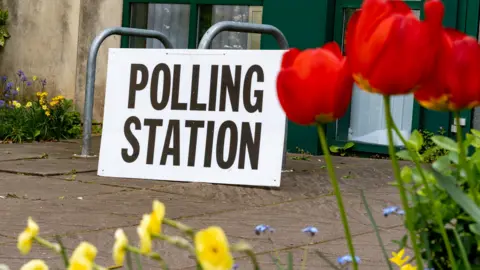
All eyes will be on the local elections on 7 May for an indication of the public mood. The King's Speech will follow shortly after, setting the legislative battleground for the year ahead. The crucial Council of Europe meeting on 15 May will be the moment of truth for the UK's relationship with the ECHR. The outcome of that meeting will likely trigger a fierce political debate in Parliament and across the country. Keir Starmer's ability to hold his party together and navigate these treacherous waters will determine whether his government can survive and deliver on its agenda.