Irish Labour to Force Dáil Vote on Emergency Mini-Budget Amid Cost of Living Crisis
The Irish Labour Party is set to increase pressure on the coalition government next week by using its private members' time to table a motion calling for an emergency mini-budget to address the escalating cost of living crisis, as trade unions warn that workers are being "priced out" of the country.
Background
For over two years, households across Ireland have been grappling with soaring inflation, which has driven up the cost of essentials such as housing, energy, and food. While inflation has recently shown signs of easing, many families and workers find their incomes are still failing to keep pace with the high cost of living. The housing crisis, in particular, has reached a critical point, with record-high rents and a severe shortage of affordable properties, placing immense financial strain on a significant portion of the population.
This persistent economic pressure has fuelled a growing sense of public anger and frustration. The government has introduced several packages of support measures since the crisis began, but opposition parties and civil society groups argue these have been insufficient to protect vulnerable households. The Irish Congress of Trade Unions (ICTU) has been at the forefront of calls for more robust government intervention, arguing that wage increases are being eroded by inflation and that the fundamental affordability of life in Ireland is now in question for many.
Key Developments
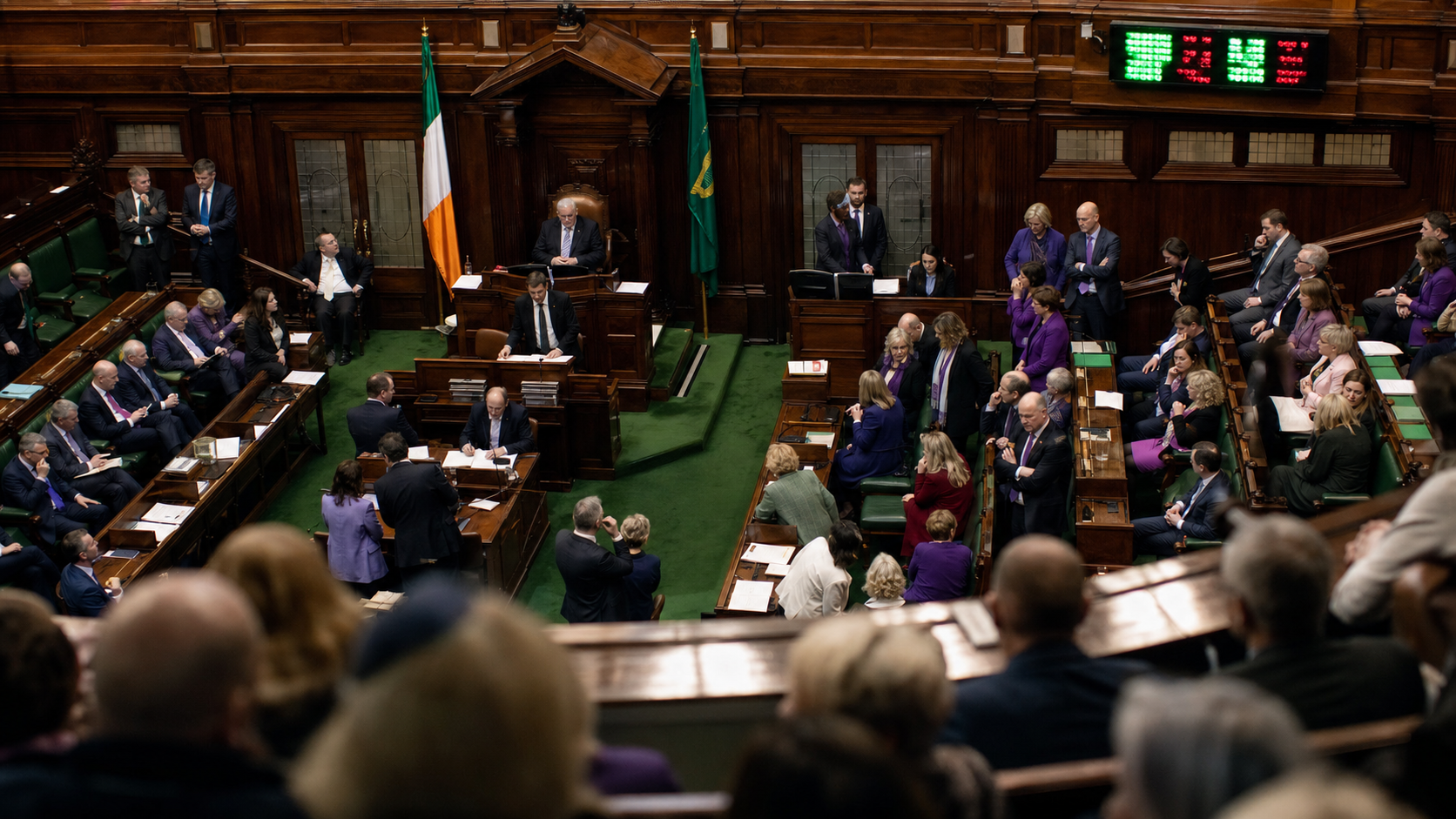
The Labour Party will bring its motion for a mini-budget before the Dáil on Thursday, May 7, using its allocated Private Members' Business slot. The move is designed to force a debate and a vote on the necessity of immediate, targeted financial relief for struggling workers and families. This follows the major May Day rally organised by the ICTU in Dublin, held under the stark theme "Can You Afford to Live?".
At the rally, ICTU General Secretary Owen Reidy delivered a powerful message, stating that ordinary workers are being "priced out" of the country they help to build. The government is expected to oppose the motion, arguing that it must maintain a prudent fiscal stance and that another budget is already scheduled for the autumn. The full details of the week's business can be viewed on the Houses of the Oireachtas website.
The debate on the cost of living will be one of several high-profile issues before the Dáil next week. As reported by RTÉ News, TDs will also scrutinise the government's decision to issue an invitation to bid for the main construction contracts for Dublin's €7.3 billion MetroLink project. Furthermore, Sinn Féin will table a motion on the urgent need for retrofitting a Dublin flat complex, and the government will advance both the Mental Health Bill and the International Co-operation (Omagh Bombing Inquiry) Bill.
Why It Matters
Labour's motion, while unlikely to pass, is a significant political manoeuvre. It crystallises the central political battleground: the economy and the lived experience of citizens. By forcing a vote, Labour aims to put every TD on the record regarding their stance on further economic intervention. This places the government in an uncomfortable position, forcing it to defend its economic strategy against a backdrop of public anxiety. The debate's outcome and rhetoric will be a key messaging tool for all parties as they position themselves for the next general election.
The convergence of this debate with the massive MetroLink contract and housing motions highlights the core tensions in Irish public policy: the struggle to balance long-term strategic infrastructure investment with the immediate, pressing needs of the population. The government's ability to communicate a coherent vision that addresses both the present crisis and the future development of the state is being severely tested. How they navigate this challenge could define their political fortunes.
Local Impact
The issues being debated in the Dáil next week have profound implications for people across Ireland. An emergency mini-budget, were it to pass, could mean immediate relief through social welfare increases, tax credits, or further energy subsidies. For Dubliners, the debate over the MetroLink contract is critical for the future of the city's transport infrastructure, while the motion on retrofitting a specific flat complex speaks to the broader housing crisis affecting thousands of tenants living in substandard accommodation. The progress of the Mental Health Bill could lead to vital reforms in a chronically underfunded service, impacting families and individuals in every town and village.
What's Next
The Dáil will convene next week with a packed and contentious schedule. The Labour Party's motion on the mini-budget will be debated on Thursday, May 7. The government will also face questions on the MetroLink tender process throughout the week. The progress of the Omagh Bombing Inquiry Bill will be closely watched, particularly in border communities. All eyes will be on the Dáil chamber as these crucial debates unfold, setting the political tone for the coming months.