A New Political Geography: Britain Braces for May Election Shake-Up
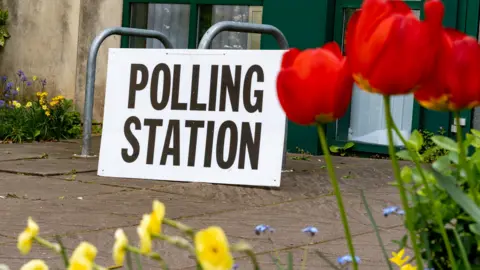
Voters across Great Britain are heading to the polls on May 7 in a series of crucial local and devolved elections that could dramatically redraw the country's political map, posing the first major electoral test for Keir Starmer's government and potentially signalling a historic realignment of power away from the two main parties.
Background
These elections represent the largest democratic exercise in the UK outside of a general election, and the first significant test of the public mood since Labour's victory in 2024. The political landscape has been shaped by a persistent cost of living crisis, ongoing debates over the consequences of Brexit, and a growing sense of disillusionment with mainstream politics. In this climate, smaller and newer parties are sensing an unprecedented opportunity to challenge the decades-long dominance of the Conservative and Labour parties.
The context is particularly charged in the devolved nations. In Wales, the expansion of the Senedd and the introduction of a new proportional representation system have created a more fluid and unpredictable political environment than ever before. For the first time since devolution in 1999, Labour's grip on power appears genuinely vulnerable. In Scotland, the Scottish National Party (SNP) continues its push for independence, with these elections serving as a barometer for public support for its core mission. The results will be scrutinised for any shift in the constitutional question that has dominated Scottish politics for a generation.
Key Developments
Across England, over 4,850 council seats are being contested in what is expected to be a bruising encounter for the incumbent Labour government and the opposition Conservatives. Polling suggests both major parties are set to lose a significant number of seats to the Liberal Democrats, the Green Party, and the rapidly growing Reform UK. The latter has been making notable inroads in traditional Labour heartlands in the north of England, tapping into a vein of populist discontent.
The most dramatic changes, however, may come from the devolved nations. In Wales, the Senedd has been expanded from 60 to 96 members, elected under a new proportional representation system designed to better reflect the diversity of political opinion. This has buoyed Plaid Cymru, which is polling strongly and could be on course for its best-ever result, potentially ending Labour's unbroken 27-year rule. As noted by The Guardian, a new political geography is coming into view across Britain. In Scotland, meanwhile, the SNP is forecast to have a strong chance of securing an outright majority in the Scottish Parliament, a result that would undoubtedly be used to press the case for a second independence referendum.
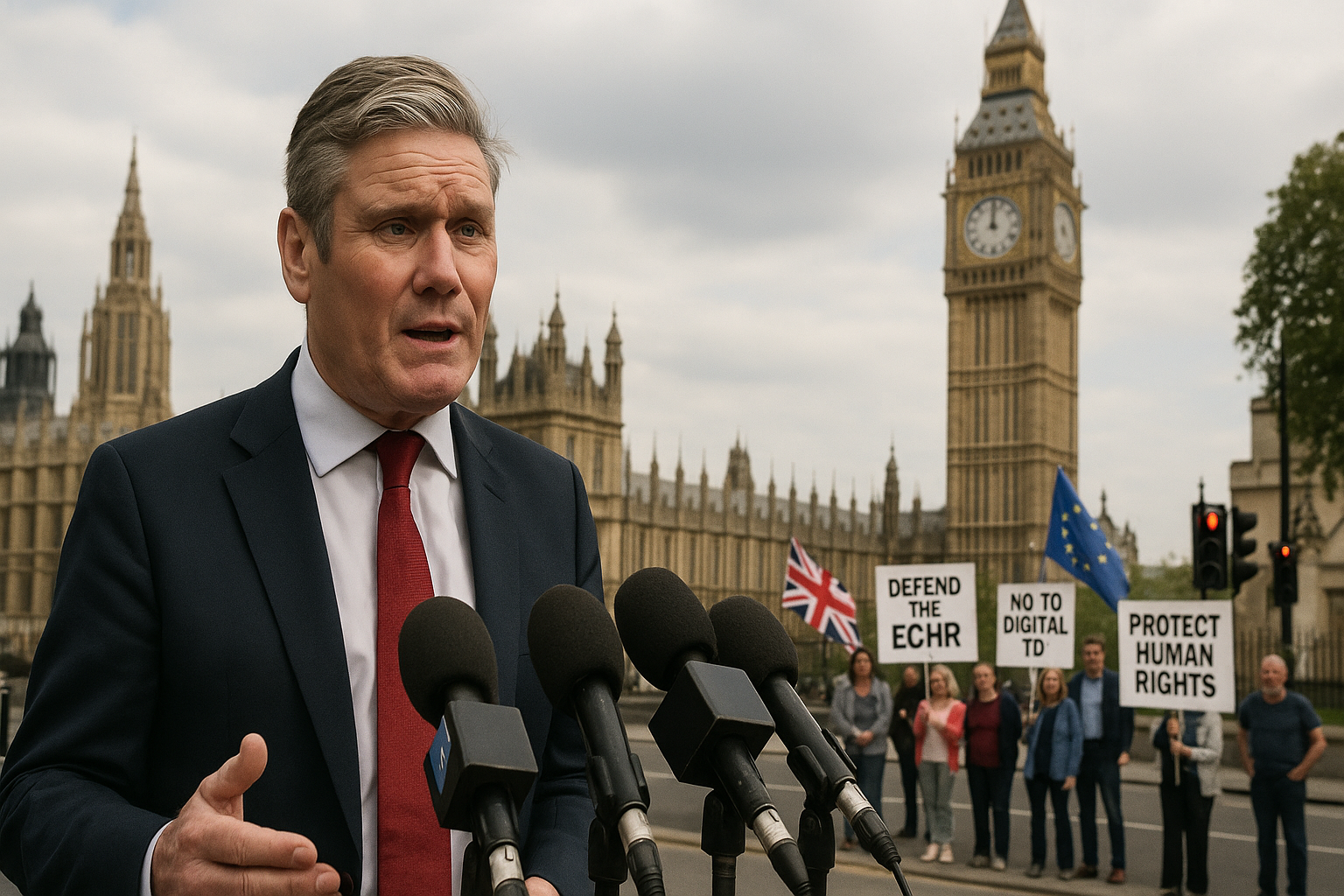
The stakes are also intensely high for Labour leader Keir Starmer. According to POLITICO, the results will be a key indicator of his government's performance. A poor showing could trigger a leadership challenge, with reports suggesting that up to 80 Labour MPs are prepared to move against him if the party suffers significant losses. The outcome will therefore not only shape local services and devolved governance but could also precipitate a crisis at the heart of the UK government.
Why It Matters
These elections are more than just a mid-term temperature check; they represent a potential watershed moment for British politics. The fragmentation of the vote away from the two-party system, if borne out by results, would confirm a trend seen across many Western democracies. It suggests a public appetite for new political choices and a rejection of the old binary contest. The rise of Reform UK on the right and the Greens and Lib Dems in the centre-ground could lead to a period of more complex, multi-party governance, forcing coalitions and pacts to become the norm, not the exception.
For the union itself, the stakes could not be higher. A dominant SNP performance in Scotland will pour fresh fuel on the independence debate, creating a constitutional headache for Westminster. Similarly, a historic shift in Wales away from Labour could empower nationalist sentiment there. The results will provide a crucial insight into whether the United Kingdom is becoming a looser federation of distinct political cultures or if shared values still hold the four nations together. The very structure of British governance is being tested.
Local Impact
For communities across the UK, the outcome of these elections will have immediate and tangible consequences. The control of local councils in England determines everything from the state of local roads and waste collection to social care budgets and planning decisions. A shift in power could see radical changes in local priorities, with Green-led councils potentially focusing more on environmental initiatives and Lib Dem-run authorities prioritising community services. In Scotland and Wales, the devolved parliaments hold sway over vast areas of public life, including health, education, and transport. The policy direction set by the new governments in Edinburgh and Cardiff will directly impact the daily lives of millions of citizens, defining the quality and scope of public services for years to come.
What's Next
The immediate aftermath of the May 7 polls will be a frantic period of analysis and negotiation. Counting will take place overnight and through Friday, May 8, with the full picture likely emerging by the weekend. In Scotland and Wales, party leaders will begin coalition talks if, as expected, no single party wins an overall majority. In England, the focus will be on the council chambers and the backbenches of Westminster, where the fate of Keir Starmer's leadership may be decided in the weeks following the results.