UK Energy Bills Set to Rise 18% as Global Markets Rally on Iran Ceasefire Hopes
UK households face an 18% rise in energy bills from July as the ongoing conflict between the United States and Iran continues to drive oil and gas prices higher — even as global markets staged a sharp relief rally on Easter Monday following signals from President Trump that a ceasefire deal could be imminent.
Energy bills are projected to reach £1,929 annually from July, up from the current level, as higher wholesale prices linked to the Middle East conflict feed through to household tariffs. Analysts warn that further increases are possible if geopolitical tensions persist, with some forecasting that Brent crude could reach $150 per barrel if supply through the Strait of Hormuz is disrupted for a prolonged period.
Key Developments
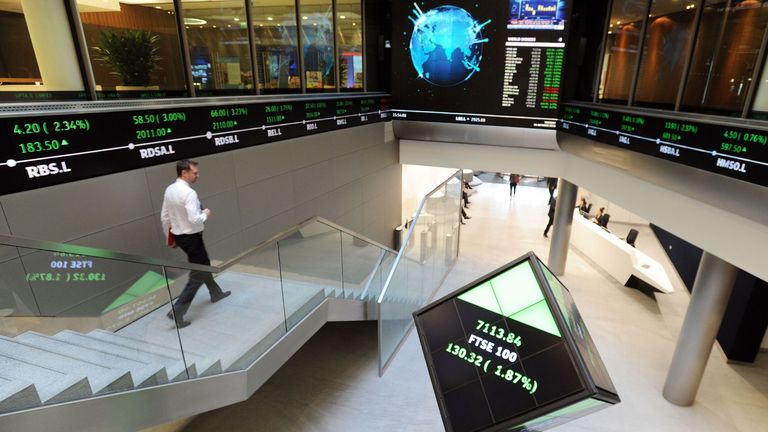
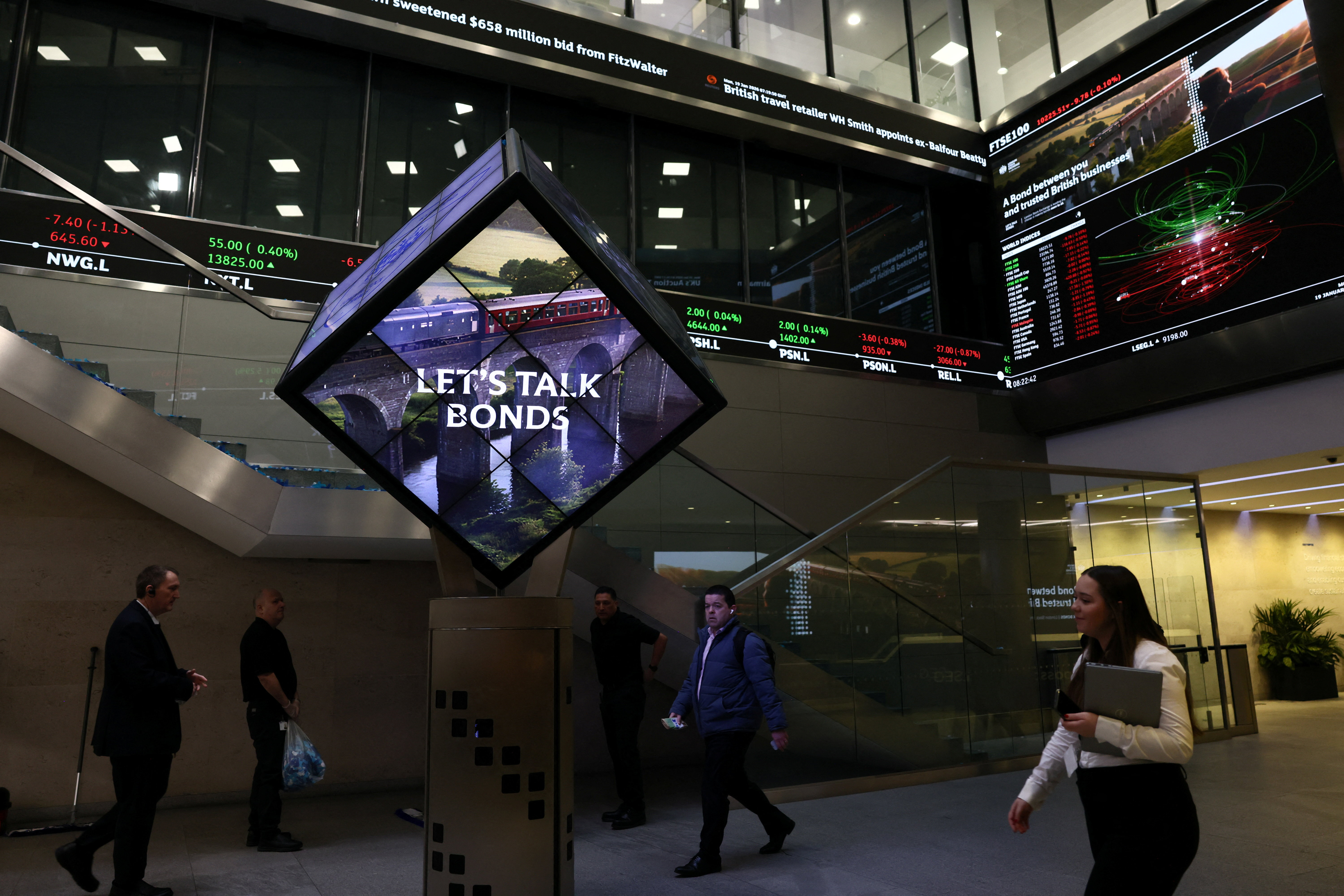
Global markets experienced a significant relief rally on Monday after President Trump posted on social media suggesting the US-Iran conflict could end within two to three weeks, and indicated that "deep negotiations" were under way. European indices including the FTSE 100, DAX, and CAC 40 saw sharp gains, while Asian markets surged, with Japan's Nikkei 225 rising 5.2% and Hong Kong's Hang Seng climbing over 5%.
Oil prices fell below $100 per barrel for the first time since the conflict escalated, and the dollar retreated to a one-week low. Gold extended gains to $4,738 per ounce. However, analysts cautioned that underlying anxiety persists, with sources in the US, Israel, and the Middle East suggesting the chances of a deal within 48 hours remain slim.
The Bank of England held interest rates at 3.75% at its March meeting, but the energy price shock has dramatically altered the economic outlook. Some economists are now considering the possibility of rate hikes to combat renewed inflationary pressures, with RSM UK suggesting the oil and gas price shock could push UK inflation towards 5%.
Background
The UK economy entered 2026 already under strain, with GDP growth forecast at just 0.7% for the year — a significant downward revision from earlier projections. The Middle East conflict has compounded these pressures, with UK gas prices surging 25% in a single day of trading in March and oil prices rising 6%.
The FTSE 100 briefly dipped below 10,000 points during the worst of the market turbulence, and the anticipated 7% drop in the energy price cap that was due to take effect on 1 April has been reversed. Hospitality businesses are facing particularly acute pressure, with the average hospitality business estimated to see its rates rise by 94% over the next three years.
Why It Matters
For UK households already struggling with the cost of living, the prospect of higher energy bills from July represents a significant additional burden. The government is under pressure to provide further support, with Liberal Democrat leader Ed Davey calling for emergency cuts to fuel duty and rail fares.
Chancellor Rachel Reeves has expressed frustration at President Trump's decision to launch the war with Iran, stating he lacks a clear plan to exit the conflict. Prime Minister Keir Starmer has reiterated that the conflict is "not our war" and that the UK will not be drawn into it, while military planners are scheduled to meet in London on 7 April to discuss options for securing the Strait of Hormuz post-conflict.
What's Next
The next few days are critical. Trump has set a Tuesday deadline for Iran to agree to a ceasefire, threatening to bomb power plants and bridges if the Strait of Hormuz is not reopened. Whether a deal materialises will have profound consequences for UK energy prices, inflation, and the broader economic outlook for the rest of 2026.
For the latest market updates, see Morningstar UK's analysis.