Tusla Governance Failures Prompt Calls for Independent Inquiry as Oireachtas Committee Prepares Hearings
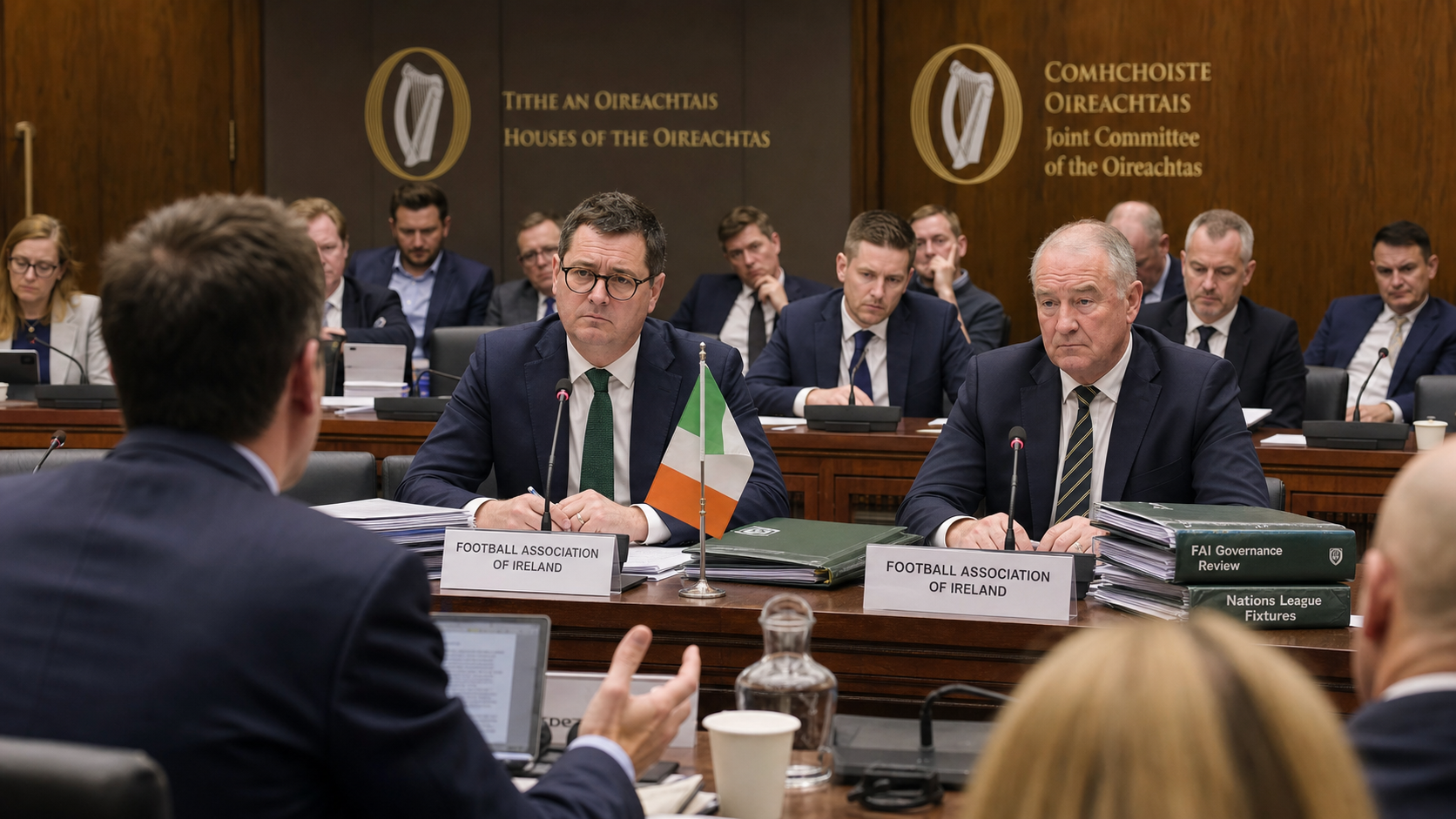
The damning revelations about governance failures at Tusla, Ireland's child and family agency, have prompted a chorus of calls from opposition parties for an independent statutory inquiry into the agency's management, with the Oireachtas Committee on Children expected to summon senior Tusla officials and the Minister for Children for hearings when the Dáil returns from recess in September.
Background
Tusla has been under sustained political and public scrutiny for several years, but the revelations published on Monday by the Irish Times represent a new and more serious dimension of the crisis. The disclosure that senior management overruled an internal assessment panel's recommendation against awarding a €2.5 million contract to a private residential care provider — despite the panel having flagged significant conflicts of interest and financial concerns — raises fundamental questions about the agency's governance culture and its accountability to the State.
The broader context is one of systemic failure. The High Court has found Tusla in contempt of court for failing to provide court-ordered special care placements. Children in State care have been left without appropriate placements, spending days in Tusla offices or in unregulated emergency accommodation. The agency has acknowledged its failures and offered an unreserved apology, but apologies alone do not address the structural problems that have allowed the crisis to develop.
The political response to previous Tusla controversies has been characterised by expressions of concern followed by limited action. Opposition parties are determined that the latest revelations should not follow the same pattern, and the calls for an independent inquiry reflect a view that the normal mechanisms of ministerial accountability and internal review are insufficient to address the scale of the problem.
Key Developments
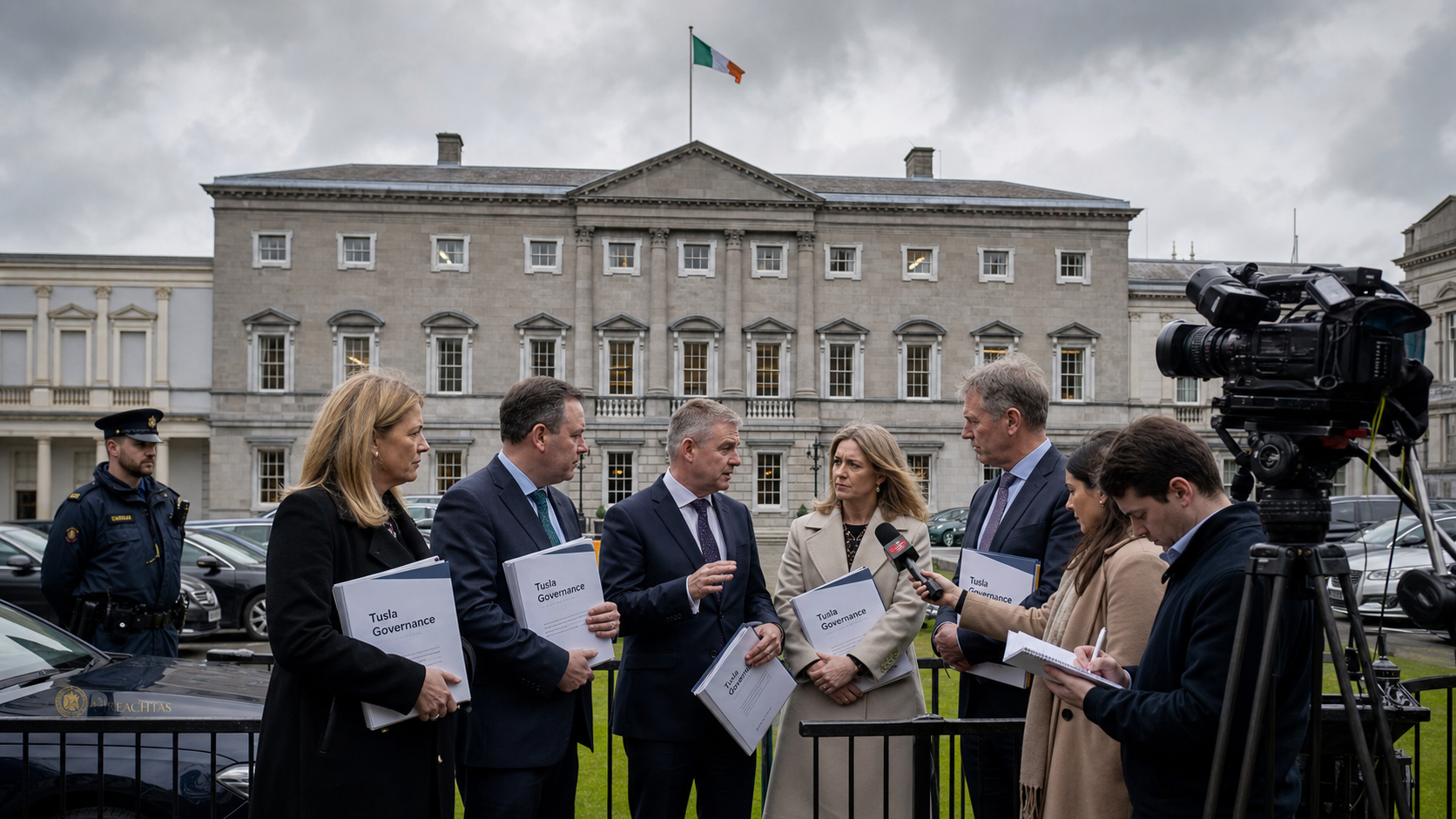
Sinn Féin's spokesperson on children, Kathleen Funchion, called on Monday for the establishment of an independent statutory inquiry with the power to compel witnesses and examine documents, arguing that the governance failures at Tusla were too serious to be addressed through an internal review. The Social Democrats' Jennifer Whitmore described the revelations as "deeply disturbing" and said the Oireachtas Committee on Children would be seeking urgent hearings with Tusla's chief executive and board chair when the Dáil returns in September.
Labour's Ivana Bacik said the government needed to explain how the conflict of interest warnings were overruled and what steps had been taken to ensure that similar governance failures could not recur. She also called for a review of the oversight mechanisms for Tusla, arguing that the current system of ministerial accountability was clearly insufficient given the scale of the failures that had been allowed to develop.
Minister for Children Roderic O'Gorman has said he takes the governance concerns "extremely seriously" and has indicated that he will be seeking a full briefing from Tusla's board on the contract award process. However, he has stopped short of calling for an independent inquiry, arguing that the existing oversight mechanisms — including the Oireachtas committee process — are capable of providing the necessary scrutiny.
Why It Matters
The governance failures at Tusla are not merely a matter of administrative process — they have direct consequences for the children the agency is supposed to protect. When management overrules internal safeguards in order to secure additional beds, it is because the system has run out of options. That is a damning indictment of the State's capacity to fulfil its most basic obligation to the most vulnerable children in its care. An independent inquiry would not only examine the specific contract award but would also provide an opportunity to examine the broader structural failures that have allowed the crisis to develop — including the chronic underfunding of residential care, the over-reliance on private providers, and the failure to build sufficient public capacity in the system.
Local Impact
The impact of Tusla's failures is felt most directly by the children in its care — young people who are already among the most vulnerable in Irish society. But it is also felt by the social workers, residential care workers, and other professionals who work within the system and who are trying to do their jobs in circumstances that are, by any reasonable standard, impossible. The Irish Association of Social Workers has called for an urgent review of caseload levels and working conditions, arguing that the system cannot function effectively when frontline workers are overwhelmed. In Dublin, Cork, Limerick, and other cities where Tusla's residential care services are concentrated, the pressure on the system is most acute.
What's Next
The Oireachtas Committee on Children is expected to schedule hearings with Tusla officials and the Minister for Children for September. Opposition parties have indicated that they will use the committee process to press for the establishment of an independent inquiry, and there is growing pressure on the government to agree to one. The Minister for Children has until the Dáil returns to decide whether to get ahead of the issue by commissioning an independent review or to face the political consequences of being seen to resist scrutiny. For the children currently in Tusla's care, the priority is not inquiries but immediate action to ensure that every child has a safe, appropriate, and stable place to live.