Taoiseach Hints at Pension Rise Above €7.50 as Budget 2027 Negotiations Enter Final Stretch
Taoiseach Micheál Martin has signalled that the State Pension increase in Budget 2027 will be higher than the €7.50 per week figure that has been widely reported, as the coalition government enters the final days of negotiations ahead of the budget announcement on Tuesday, 6 October — a hint that has been welcomed by pensioner groups but has raised questions about the overall fiscal arithmetic of the €8.5 billion package.
Background
Budget 2027 is being framed by the government as a "steady as she goes" package that consolidates the gains of recent years while addressing the most pressing cost-of-living pressures facing households and businesses. The overall package is valued at approximately €8.5 billion, split between tax measures and spending increases, and is being finalised against a backdrop of strong economic growth, a healthy exchequer surplus, and significant uncertainty about the global economic outlook.
The State Pension is one of the most politically sensitive elements of any Irish budget. There are approximately 700,000 State Pension recipients in Ireland, and the pension is the primary source of income for a significant proportion of older people. The triple lock mechanism — which guarantees that the pension rises by the highest of inflation, average earnings growth, or 2.5 per cent — has been a source of political controversy in recent years, with some arguing that it is too generous and others contending that it is essential to protect pensioners from the cost-of-living crisis.
Reports in recent weeks had suggested that the government was planning a pension increase of €7.50 per week — a figure that pensioner advocacy groups described as inadequate given the ongoing cost-of-living pressures. The Taoiseach's hint that the actual increase will be higher has raised expectations ahead of Tuesday's announcement.
Key Developments
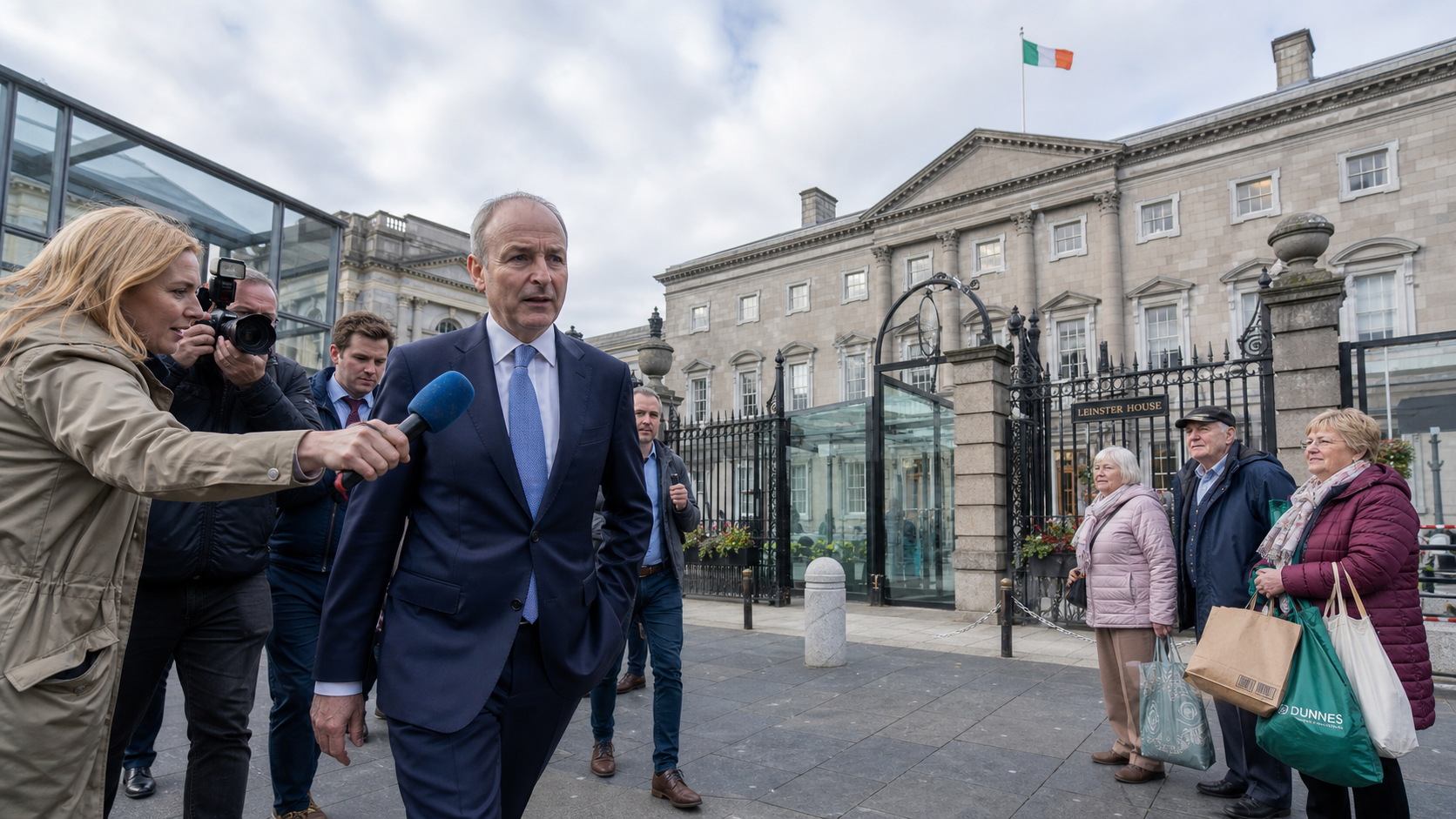
Speaking to reporters on Wednesday, the Taoiseach declined to confirm the exact figure but indicated that the pension increase would be "meaningful" and would reflect the government's commitment to protecting the living standards of older people. He described the €7.50 figure as a "floor" rather than a ceiling, suggesting that the final number will be higher.
The hint comes as the government faces pressure from multiple directions on the pension question. Pensioner advocacy groups have been lobbying for an increase of at least €12 per week, arguing that the cost of living for older people — particularly energy costs, which have risen sharply as a result of the Iran war — has outpaced the increases delivered in recent budgets. Opposition parties, including Sinn Féin and the Social Democrats, have called for a more generous pension settlement.
The pension increase is one of several politically sensitive decisions that the government must finalise before Tuesday. Other contested areas include the level of energy credits for households, the minimum wage increase, and the extent of income tax cuts. The Taoiseach has indicated that the overall package will be "balanced" and will address the needs of both workers and those on fixed incomes.
Why It Matters
The State Pension is not merely a financial instrument — it is a statement of the social contract between the state and its older citizens. The level of the pension reflects the government's assessment of what older people need to live with dignity, and the political sensitivity of the issue reflects the fact that pensioners are among the most engaged and reliable voters in the Irish electorate. A pension increase that is seen as inadequate risks significant political damage; one that is seen as generous can generate goodwill that extends well beyond the pensioner community.
The broader context of Budget 2027 is also important. The government is managing a significant fiscal surplus — the product of strong corporation tax receipts and robust income tax revenues — but faces warnings from the ESRI and other economic bodies about the risks of overheating the economy through excessive spending. The challenge is to deliver a budget that is generous enough to address genuine need without fuelling inflation or creating structural spending commitments that cannot be sustained if economic conditions deteriorate.
Local Impact
The pension increase will affect hundreds of thousands of people across Ireland, with the impact felt most acutely in areas with older demographic profiles. In rural counties such as Roscommon, Leitrim, and Longford, where the proportion of older residents is higher than the national average, the pension is often the primary source of household income. In Dublin, where the cost of living is highest, even a generous pension increase may not fully offset the pressures facing older people on fixed incomes. The increase will also affect the Contributory State Pension, the Non-Contributory State Pension, and a range of related payments, including the Widow's, Widower's, or Surviving Civil Partner's Contributory Pension.
What's Next
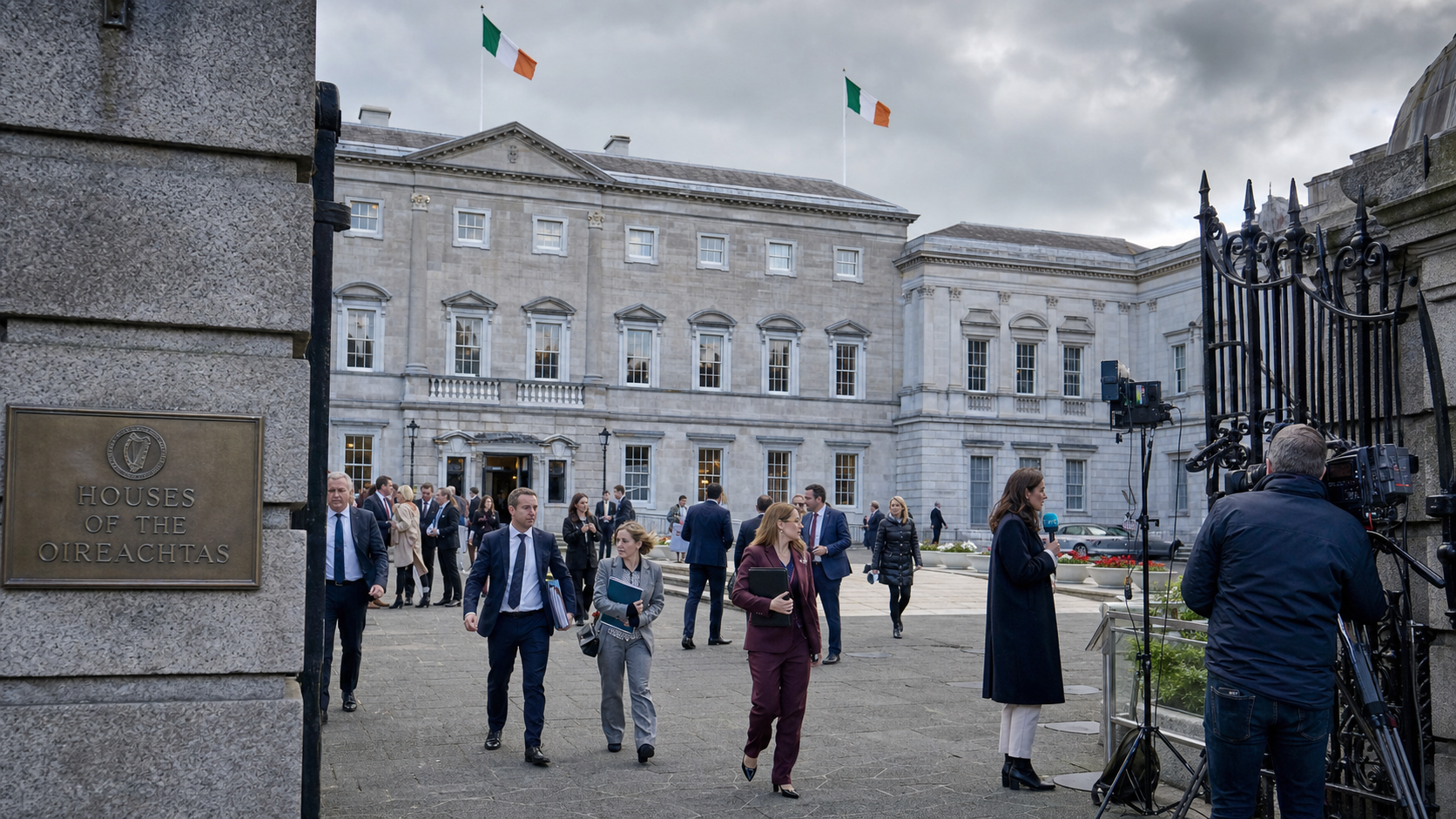
Budget 2027 will be announced by Finance Minister Paschal Donohoe and Public Expenditure Minister Donal Burke on Tuesday, 6 October. The pension increase will be one of the headline measures, and the Taoiseach's hint that it will exceed €7.50 per week has set expectations that the government will need to meet. The full details of the budget — including the income tax package, energy credits, and spending measures — will be revealed on the day. Opposition parties will have the opportunity to respond in the Dáil on Tuesday afternoon, and the political debate over the budget's fairness and adequacy is expected to continue for several weeks.