Troubles 'Exodus' of Protestant Community from Londonderry's Cityside Had Lasting Impact, Landmark Report Finds
A landmark report has documented the displacement of between 12,000 and 18,000 members of the Protestant, Unionist, and Loyalist community from the west bank of Londonderry during the Troubles, concluding that sustained violence, direct intimidation, and fear of attack — not economic migration or a desire for better housing — were the primary drivers of what researchers describe as a near-total demographic transformation of the Cityside that continues to shape the city's social geography to this day.
Background
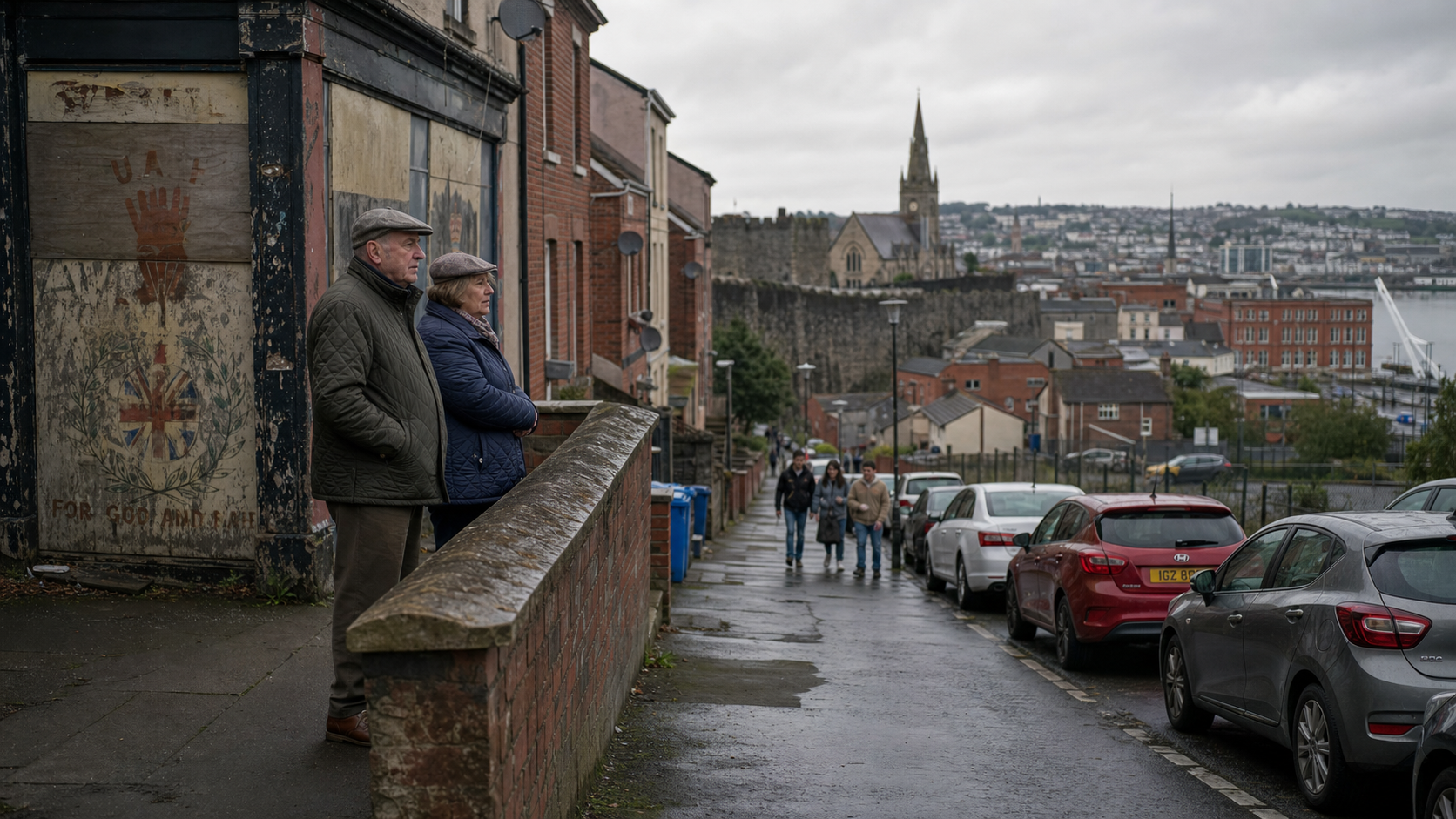
Londonderry — or Derry, depending on one's tradition — is a city defined by its divisions. The River Foyle has long served as a physical and psychological boundary between the predominantly nationalist Cityside on the west bank and the predominantly unionist Waterside on the east. That division, however, was not always as stark as it appears today. Before the Troubles, the Cityside was home to a substantial Protestant population, with communities established across the Fountain Estate, the Bishop Street area, and other parts of the west bank.
The report, titled "Where have all the Prods gone? Conflict and Displacement — The PUL Exodus and its Impact in Londonderry," was commissioned by the North West Cultural Partnership and funded by the EU's PeacePlus fund via Derry City and Strabane District Council. Researchers, including author Terry Wright and Dr Niall Gilmartin of Ulster University, conducted 116 interviews — 90 individual and 26 through focus groups — to document the lived experiences of those who left and those who remained.
The research covers the period from 1968 to 1998, encompassing the full arc of the Troubles in the city. It represents the most comprehensive academic examination to date of a demographic shift that has been acknowledged in general terms but rarely examined in detail.
Key Developments
The report's central finding is unambiguous: the movement of the PUL community from the Cityside was driven overwhelmingly by violence and fear, not by the economic or housing factors that some external observers have previously cited. Testimonies gathered by the researchers describe families facing repeated attacks — stone-throwing, bombings, and shootings — particularly in the aftermath of Bloody Sunday in January 1972, which the report identifies as a significant accelerant of the exodus.
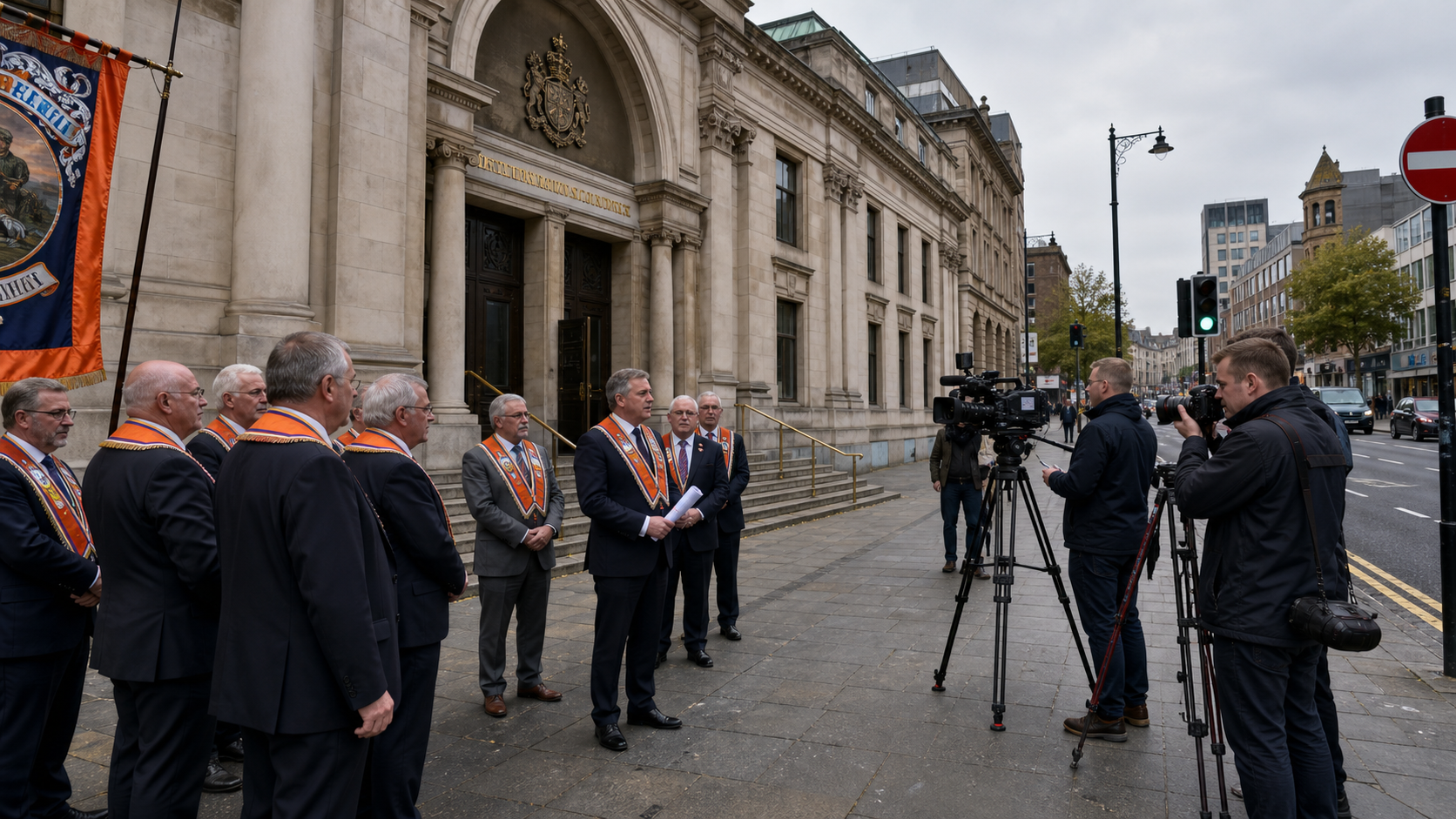
Brian Dougherty, chief executive of the North West Cultural Partnership, stated that the exodus is "ingrained in the PUL psyche" and remains a vital, though previously under-covered, part of the city's historical narrative. The report calls for a broader acknowledgement of the hurt experienced by all communities as a prerequisite for a more honest understanding of the city's past.
Today, the Protestant population in the west of the city is largely concentrated in the Fountain Estate, which houses approximately 350 people and continues to report incidents of sectarian harassment. The report notes that some young people from PUL backgrounds avoid certain parts of the city for work or education because they do not feel safe — a finding that underscores the extent to which the legacy of the Troubles continues to constrain daily life.
Why It Matters
The publication of this report is significant for several reasons. It challenges a narrative of denial that the researchers say has persisted in Londonderry — a reluctance to acknowledge that the demographic transformation of the Cityside was not a natural or voluntary process but the result of sustained communal violence. That acknowledgement matters not only for historical accuracy but for the prospects of genuine reconciliation. The report also arrives at a moment when the city is grappling with questions about its future identity. Londonderry was designated a UNESCO City of Music in 2023, and the Fleadh Cheoil na hÉireann is currently taking place in Belfast — events that celebrate shared cultural heritage. But cultural celebration cannot substitute for honest historical reckoning, and this report insists that the two must go hand in hand.
Local Impact
For the remaining PUL community in the Fountain Estate — one of the last predominantly Protestant enclaves on the Cityside — the report's publication is a moment of validation. Residents have long felt that their experience of the Troubles has been minimised or ignored in the broader narrative of the conflict. The Waterside, where many of those who left the Cityside eventually settled, has its own complex history of displacement and community tension. Derry City and Strabane District Council has been urged to use the report's findings to inform its community relations strategy, including investment in cross-community dialogue programmes and support for the Fountain Estate community.
What's Next
The North West Cultural Partnership will host a series of community engagement events in Londonderry over the coming months to discuss the report's findings and explore how they can inform reconciliation efforts. The researchers have called for the report to be used as a resource in schools and community organisations across the city, as part of a broader effort to ensure that the full complexity of the Troubles is understood by younger generations. A formal response from Derry City and Strabane District Council is expected in September, with the council's community relations committee expected to consider the report's recommendations at its next meeting.