Translink Launches Consultation on Fare Hikes and Late-Night Service Cuts as Financial Crisis Bites
Translink, Northern Ireland's public transport operator, has launched a 12-week public consultation on a package of proposed fare increases and service reductions that would see youth travel discounts cut, promotional fares raised, and late-night bus and rail services withdrawn on three nights of the week — measures the organisation says are necessary to avoid a financially unsustainable position.
Background
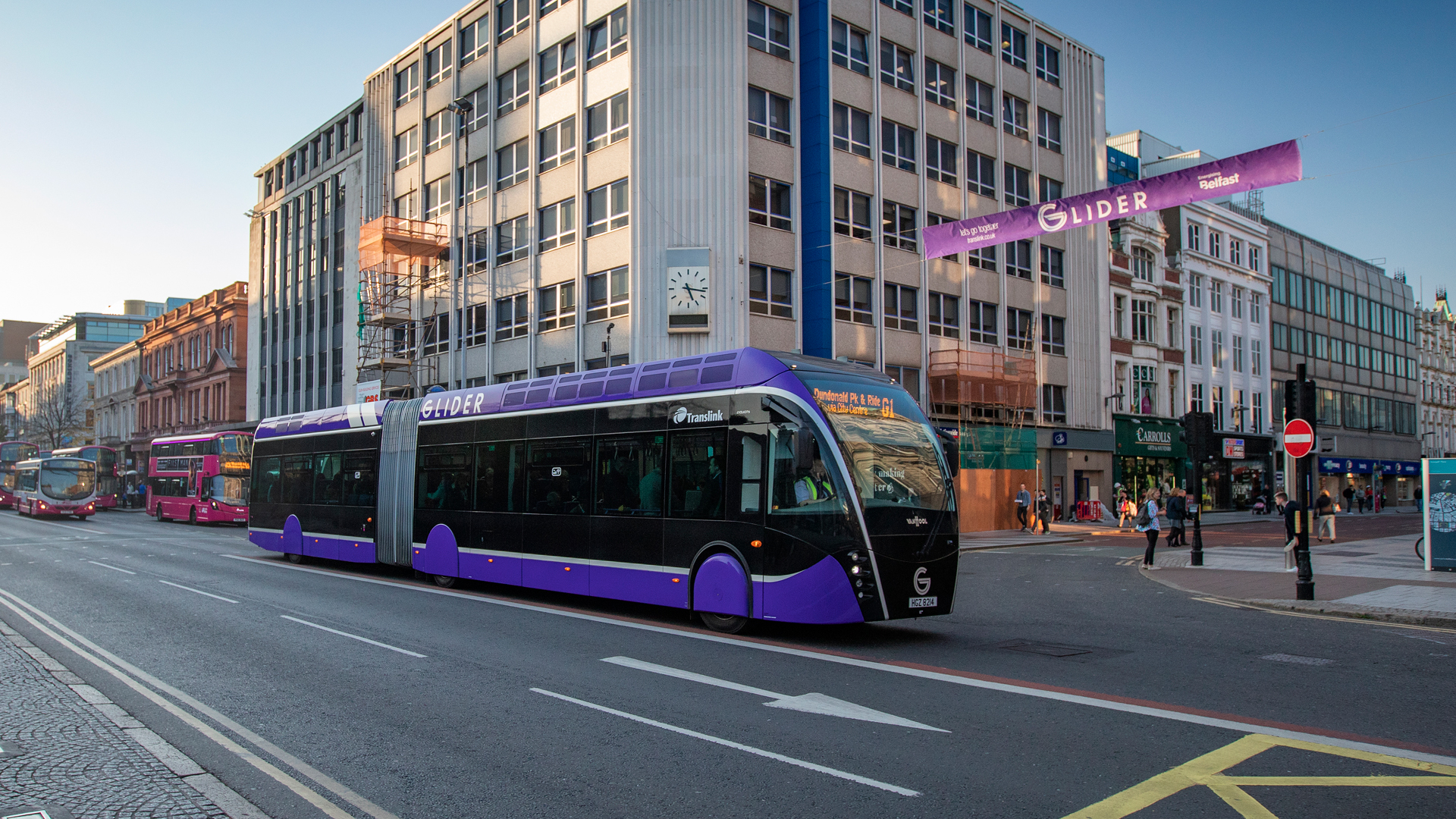
Translink operates the entirety of Northern Ireland's public bus and rail network, including Metro services in Belfast, the Glider rapid transit system, Ulsterbus rural and intercity routes, and the NI Railways network connecting Belfast to Derry/Londonderry, Bangor, Larne, and Newry. The organisation is a non-departmental public body funded through a combination of fare revenue and a grant from the Department for Infrastructure (DfI), and it has faced sustained financial pressure in recent years as costs have risen and funding has failed to keep pace.
Outgoing chief executive Chris Conway has been a consistent advocate for increased public investment in Northern Ireland's transport network, arguing that the system has been chronically underfunded relative to comparable networks in Great Britain and the Republic of Ireland. Conway noted that Translink has implemented five fare freezes over the past nine years, resulting in more than £20 million in lost revenue — a figure that has left the organisation with insufficient reserves to absorb the cost increases driven by inflation, energy prices, and wage settlements.
The consultation, which runs for 12 weeks until 30 September 2026, covers a range of proposed changes to fares and services. Translink has emphasised that these are proposals rather than decisions, and that the outcome of the consultation will inform any final changes. However, the organisation has been clear that some form of adjustment is necessary to protect its financial position.
Key Developments
The most significant proposed change affecting young people is a reduction in the yLink smartcard discount, currently available to passengers aged 16 to 23, from 50% to 33%. The yLink card has been a cornerstone of Translink's youth engagement strategy, providing a meaningful incentive for young people to use public transport rather than private cars or taxis. A reduction of this magnitude would represent a significant increase in the effective cost of travel for students and young workers across Northern Ireland.
The proposals also include the withdrawal of late-evening bus and rail departures operating after 22:00 BST on Mondays, Tuesdays, and Wednesdays. While Translink has indicated that routes with significant demand and revenue — including the 212 Belfast to Derry/Londonderry service, the X1, X2, X3, and X4 routes, and the 300 and 600 airport services — would be retained, the cuts would leave passengers arriving on the final Enterprise service from Dublin, which reaches Belfast at 22:58, without connecting public transport.
Additional proposals include the removal of off-peak day return fares for adults and children, and price increases of £2 each on several promotional products, including the Family and Friends ticket, the Metro Family ticket, the Bus Rambler, and the Sunday Day Tracker for rail. Translink's own equality impact assessment acknowledged that the proposed changes are likely to have a disproportionate impact on younger, older, and female passengers.
Why It Matters
The Translink consultation arrives at a particularly sensitive moment for Northern Ireland's public transport network. The Glider rapid transit system in Belfast has been widely praised as a transformative addition to the city's transport infrastructure, and there is a strong public appetite for further investment in sustainable transport options. The proposed cuts run counter to that direction of travel, potentially undermining the modal shift away from private cars that transport planners and environmental advocates have been working to achieve.
The comparison with the Republic of Ireland is stark. The Irish government has maintained significantly subsidised public transport fares as part of its climate action strategy, with young people in the Republic benefiting from a 50% discount on all public transport through the Young Adult Card scheme. Northern Ireland's proposed reduction in youth discounts would widen the gap between the two jurisdictions at a time when cross-border transport connectivity is increasingly important for workers, students, and businesses.
The removal of late-night services on three nights of the week has drawn particular criticism from the hospitality industry, which relies on late-night public transport to support the viability of evening economy businesses. Belfast's night-time economy has been a focus of significant investment and policy attention in recent years, and the withdrawal of services after 10pm would create a practical barrier to participation for those without access to private transport.
Local Impact
In Belfast, the proposed changes would affect Metro services across the city, including routes serving the Titanic Quarter, the Cathedral Quarter, and the university area around Queen's University Belfast and Ulster University's Belfast campus. Students at both institutions, many of whom rely on the yLink discount to make daily commuting affordable, have expressed alarm at the proposed reduction. The Students' Union at Queen's University has indicated it will make a formal submission to the consultation opposing the youth discount cut.
In rural areas served by Ulsterbus, the withdrawal of late-night services would have a disproportionate impact on communities with limited alternative transport options. Areas such as Fermanagh, Tyrone, and parts of Armagh and Down, where car ownership is higher but public transport is the only option for those without a vehicle, would face particular challenges if evening services are reduced.
What's Next
The consultation closes on 30 September 2026, with Translink expected to publish its response and any final decisions in the autumn. The Department for Infrastructure will be closely involved in the process, given that any significant service changes require ministerial approval. Political parties at Stormont have already indicated that they will scrutinise the proposals carefully, with the Alliance Party and SDLP both expressing concern about the impact on young people and rural communities. The outcome of the consultation will be a significant test of the Executive's commitment to sustainable transport policy.