Northern Ireland Ambulance Service Launches 23 New Emergency Vehicles in Fleet Modernisation Drive
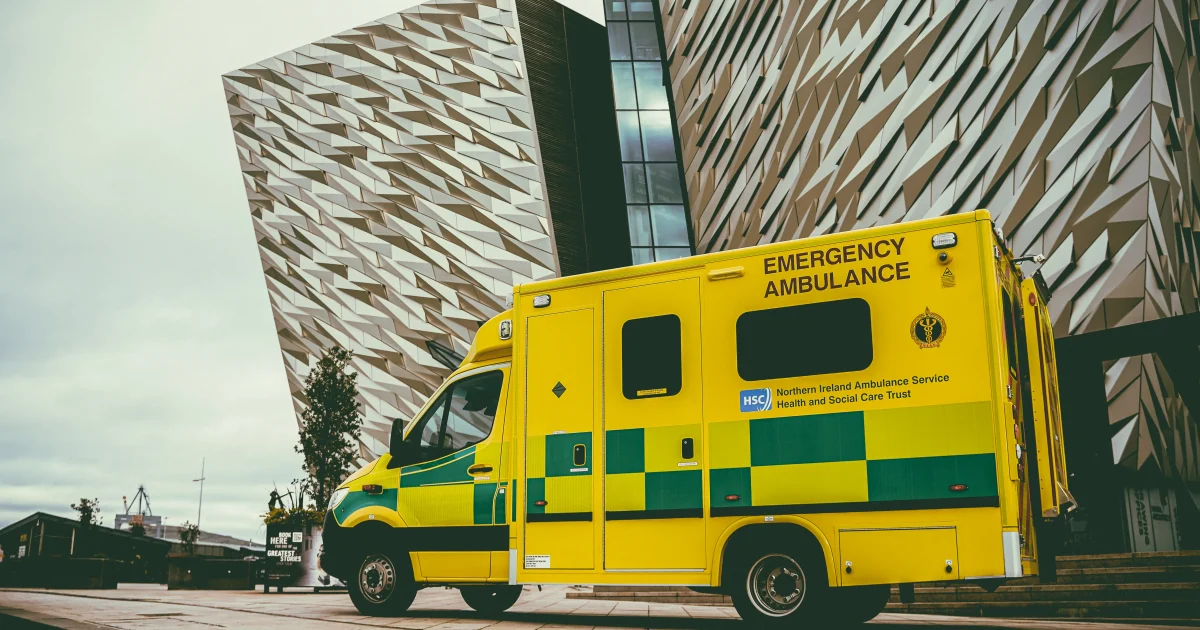
Health Minister Mike Nesbitt has officially launched 23 new Accident and Emergency ambulances for the Northern Ireland Ambulance Service, marking the first phase of a strategic fleet replacement programme that will see 59 operational vehicles upgraded as part of a broader effort to modernise emergency care delivery across the six counties.
Background
The Northern Ireland Ambulance Service (NIAS) is the statutory provider of emergency ambulance services across Northern Ireland, responding to approximately 200,000 emergency calls annually. The service operates from a network of stations and deployment points across the six counties, with its headquarters in Belfast and major operational hubs in Derry/Londonderry, Newry, Enniskillen, and Antrim. NIAS employs approximately 1,400 staff, including paramedics, emergency medical technicians, and control room personnel.
The service has faced significant operational pressures in recent years, driven by rising demand, an ageing fleet, and the broader financial constraints affecting the Northern Ireland health and social care system. Ambulance response times have been a persistent concern, with NIAS consistently struggling to meet the target of reaching the most serious Category 1 calls within eight minutes. The condition of the fleet has been identified as a contributing factor to operational inefficiency, with older vehicles requiring more frequent maintenance and experiencing higher rates of mechanical failure.
The fleet replacement programme announced on 22 July 2026 represents a significant investment in the service's operational capacity. The 23 new Accident and Emergency ambulances are the first tranche of a planned replacement of 59 vehicles, with the remainder expected to be delivered in subsequent phases over the coming years. The investment reflects a recognition at ministerial level that the quality of the ambulance fleet is a direct determinant of the quality of emergency care that patients receive.
Key Developments
Health Minister Mike Nesbitt attended the official launch of the new vehicles on 22 July 2026, describing the investment as a demonstration of the Executive's commitment to improving emergency care services across Northern Ireland. The new ambulances are equipped with the latest medical technology, including advanced cardiac monitoring equipment, enhanced defibrillation capability, and improved patient handling systems designed to reduce the risk of injury to both patients and paramedics.
The vehicles have been procured through a competitive tendering process and are designed to meet the specific operational requirements of the Northern Ireland environment, including the need to navigate both urban streets and rural roads. The fleet includes vehicles configured for different operational roles, from standard emergency response to specialist patient transport.
Separately, Air Ambulance Northern Ireland (AANI) is preparing to introduce its first charity-owned helicopter in late summer 2026, marking a significant transition from the previously leased model that has served the service since its establishment in 2017. The new aircraft, procured through Sloane Helicopters and manufactured by Leonardo Helicopters, features advanced automation systems designed to enhance safety and reduce pilot workload. The charity, which requires approximately £3 million in annual fundraising to maintain its operations, has reached over 5,700 taskings since its inception and is celebrating its ninth anniversary with the milestone acquisition.
Why It Matters
The condition of the ambulance fleet has a direct and measurable impact on patient outcomes. Older vehicles are more prone to mechanical failure, which can result in delayed responses to emergency calls. They are also less likely to be equipped with the latest medical technology, potentially limiting the interventions that paramedics can perform at the scene. The replacement of 59 vehicles represents a meaningful improvement in the service's operational reliability and clinical capability.
The investment also has implications for staff welfare. Paramedics and emergency medical technicians spend long shifts in their vehicles, and the quality of the working environment — including ergonomics, climate control, and the reliability of equipment — has a significant impact on job satisfaction and retention. NIAS has faced recruitment and retention challenges in recent years, and the provision of modern, well-equipped vehicles is one element of a broader effort to make the service a more attractive employer.
For comparison, ambulance services in England have benefited from significant fleet investment programmes in recent years, and the Republic of Ireland's National Ambulance Service has also undertaken major fleet modernisation. Northern Ireland's programme, while welcome, represents a catch-up investment rather than a step ahead of comparable services elsewhere on these islands.
Local Impact
The new vehicles will be deployed across NIAS stations throughout Northern Ireland, with allocations determined by operational need and the age of existing vehicles at each location. Stations in Belfast, Derry/Londonderry, Newry, and Antrim are expected to receive priority allocations given their high call volumes. Rural stations in areas such as Fermanagh, Tyrone, and South Armagh, where response times are already stretched by geography, will also benefit from the programme.
For patients across Northern Ireland, the practical impact of the fleet modernisation will be felt gradually as the new vehicles enter service and older ones are retired. The most immediate benefit is likely to be improved reliability, with fewer instances of vehicles being taken out of service for maintenance at short notice. Over time, the enhanced clinical capability of the new fleet should contribute to improved outcomes for patients experiencing time-critical emergencies such as cardiac arrest and stroke.
What's Next
The remaining 36 vehicles in the replacement programme are expected to be delivered in subsequent phases, with the full programme anticipated to be complete within the next two to three years. NIAS will publish updated response time data in its next quarterly performance report, which will provide an early indication of whether the fleet investment is contributing to improved operational performance. The Air Ambulance NI's new helicopter is expected to enter service in late summer 2026, adding a further dimension to the emergency response capability available across Northern Ireland.