Belfast Business Owners Warn of City Centre Crisis as 800,000 Fleadh Visitors Approach
Belfast city centre business owners have issued an urgent warning about the deteriorating state of the city's streets ahead of the All-Ireland Fleadh, with an estimated 800,000 visitors expected to descend on the city in the coming weeks and local traders describing a worsening crisis of drug use, dereliction, and anti-social behaviour that risks overshadowing one of the most significant cultural events in the city's recent history.
Background
The All-Ireland Fleadh Cheoil, the world's largest Irish traditional music festival, is coming to Belfast for the first time in the city's history, a landmark occasion that has been celebrated as a major cultural and economic opportunity for Northern Ireland. The festival, which typically attracts hundreds of thousands of visitors over its week-long duration, is expected to generate tens of millions of pounds for the local economy through accommodation, hospitality, retail, and transport spending.
Belfast city centre has undergone significant transformation over the past two decades, with major investment in retail, hospitality, and cultural infrastructure reshaping the urban core. However, the city has also experienced a marked increase in visible social problems in recent years, including rough sleeping, public drug use, and anti-social behaviour, particularly in the area around the city centre's main retail and hospitality streets. These issues have been exacerbated by the cost-of-living crisis, cuts to addiction and homelessness services, and the broader pressures facing urban centres across the United Kingdom and Ireland.
The PSNI conducted a high-profile operation in the city centre in early July 2026, seizing £250,000 worth of suspected Class A drugs, a figure that underscored the scale of the illegal drug trade operating in the area. Despite the operation, business owners report that the situation on the ground has not improved significantly, with incidents of vandalism and public drug use continuing to occur with alarming regularity.
Key Developments
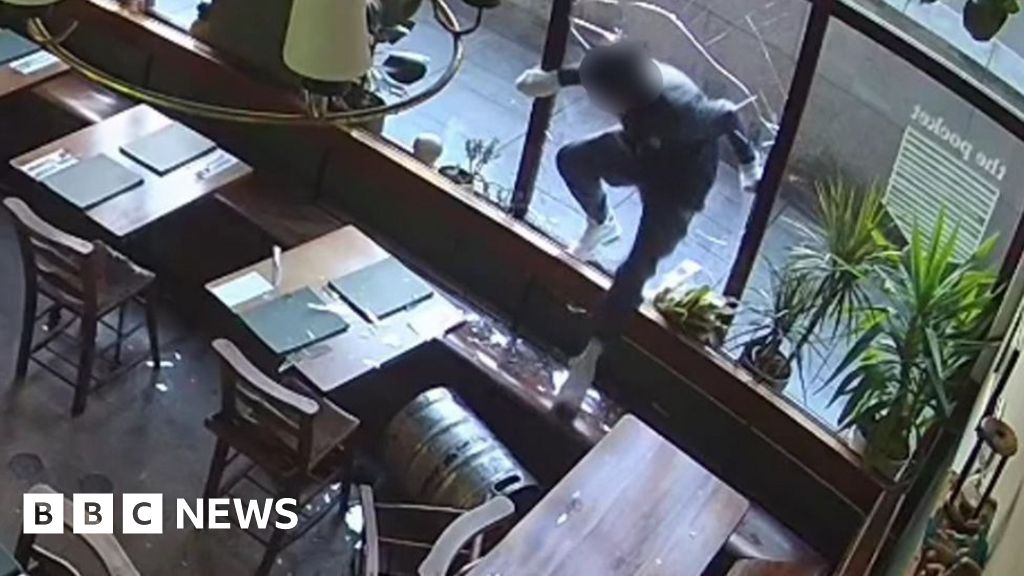
Richard Evans, owner of The Pocket café in Belfast city centre, has emerged as one of the most vocal critics of the current situation. Evans, whose business was vandalised when a beer keg was thrown through its window, described the city as being at a "tipping point" and warned that the state of the streets would create a deeply negative impression on the hundreds of thousands of visitors arriving for the Fleadh. He characterised the situation as a "systematic failure" of the city's infrastructure and called for urgent, coordinated action rather than the event-specific responses that have characterised the authorities' approach to date.
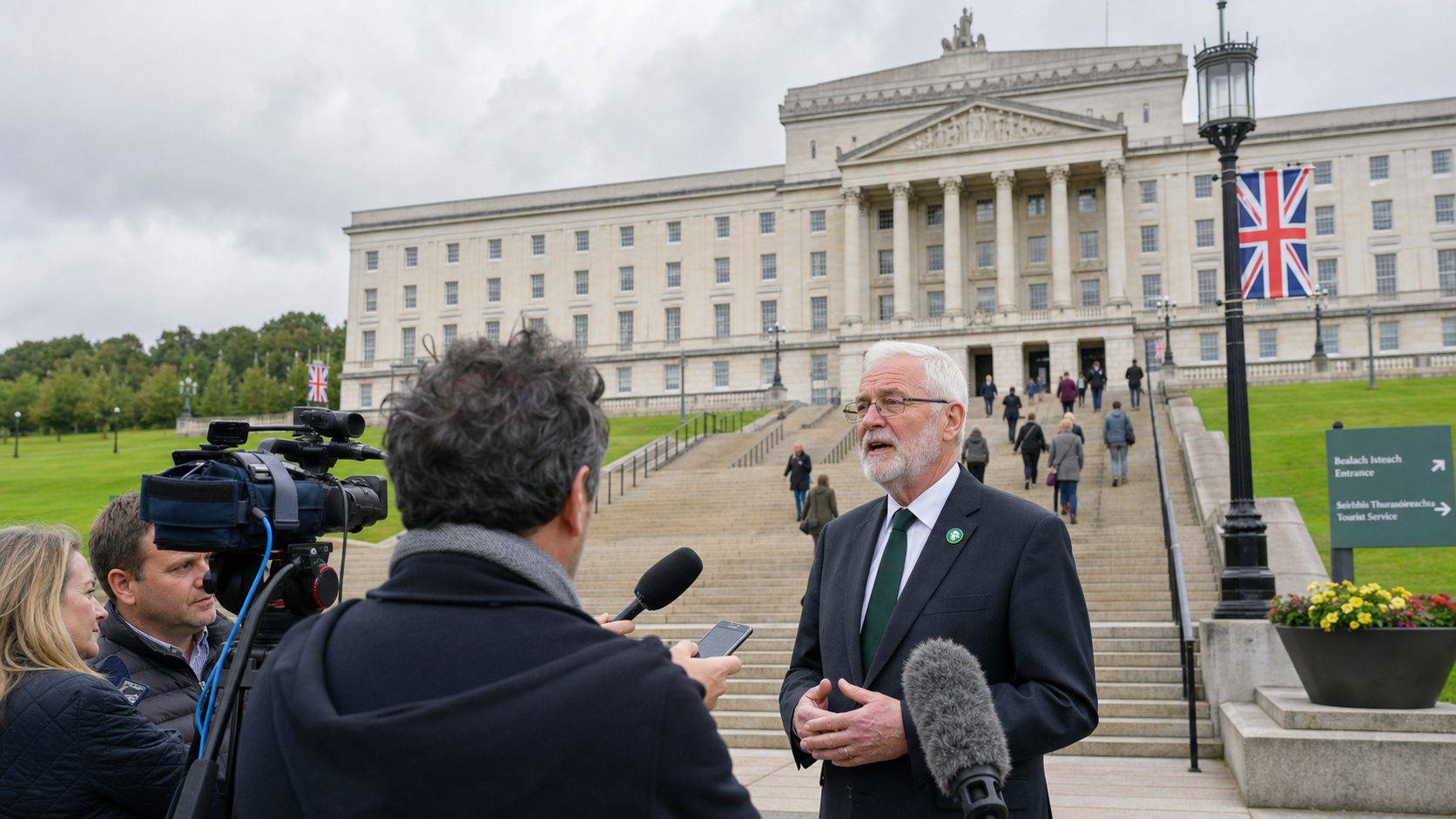
Belfast City Council and the PSNI have acknowledged the severity of the challenges while outlining the limitations of their respective powers. The council has committed to a multi-agency response during the Fleadh, coordinating with support organisations including the Welcome Organisation and Extern to provide assistance to vulnerable individuals in the city centre. However, councillors including Paul McCusker and Séamas de Faoite have renewed calls for a drug consumption room, noting that the council lacks the statutory power to implement such a facility without legislative change from Stormont.
The PSNI has stated that it is working to make specific locations less welcoming to drug users and has encouraged the public to report discarded paraphernalia to the council for safe removal. Critics argue that these measures, while welcome, do not address the underlying causes of the problem and amount to managing the symptoms rather than treating the disease.
Why It Matters
The timing of this crisis could not be more consequential for Belfast. The Fleadh represents an opportunity to showcase the city to an audience that extends well beyond the traditional visitor base, with many attendees coming from the Republic of Ireland, Britain, and the Irish diaspora worldwide. The impression that Belfast makes on those visitors will shape perceptions of the city for years to come, influencing decisions about future visits, investment, and cultural engagement.
The contrast with Dublin's experience is instructive. The Irish capital has faced similar challenges with visible homelessness and drug use in its city centre, and the debate about drug consumption rooms has been ongoing in the Republic for several years. Northern Ireland's devolved administration has been slower to engage with harm-reduction approaches, and the absence of legislative progress on issues such as drug consumption rooms reflects a broader political reluctance to address addiction as a public health rather than a criminal justice matter.
For Belfast's hospitality sector, which has invested heavily in the expectation of a successful Fleadh, the stakes are high. Hotels, restaurants, and bars across the city have prepared for a significant uplift in trade, and any reputational damage to the city centre could have lasting consequences for the sector's recovery from the disruptions of recent years.
Local Impact
The areas most affected by the current crisis include the streets around Royal Avenue, Castle Street, and the Cathedral Quarter — precisely the areas that will see the highest concentration of Fleadh visitors. Businesses in these locations have reported a pattern of incidents that includes break-ins, vandalism, and confrontations with individuals in the grip of addiction. The impact on staff wellbeing has been significant, with some businesses reporting difficulty retaining employees who feel unsafe in the working environment.
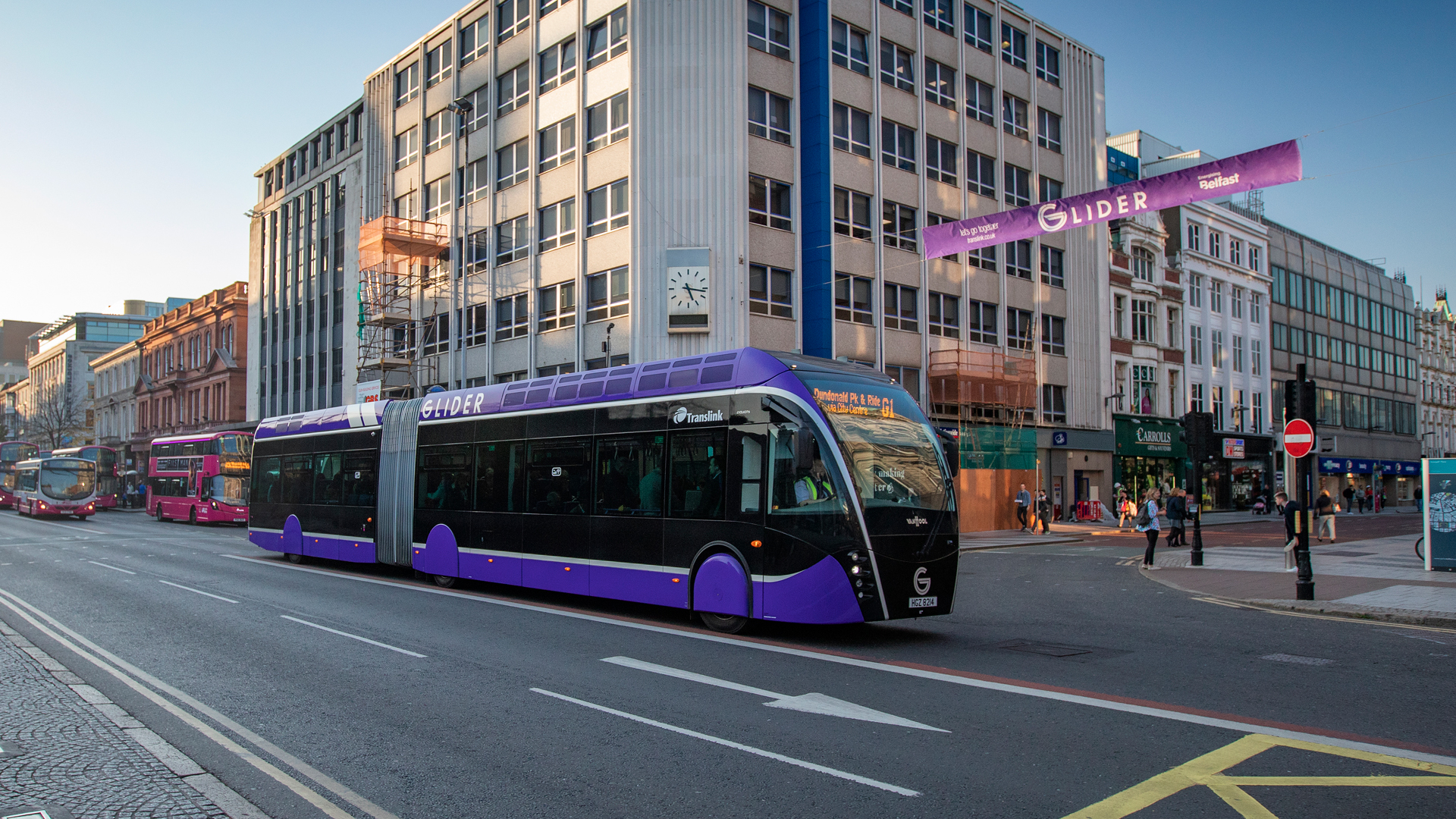
Translink has confirmed additional services to support the Fleadh, with increased Metro and Glider capacity planned for the festival period. The additional footfall will bring economic benefits to the city, but it will also place additional pressure on the city centre's already strained social infrastructure. Belfast City Council's events team is working with festival organisers to ensure that the visitor experience is as positive as possible, but the underlying issues identified by business owners will not be resolved by event management alone.
What's Next
Belfast City Council is expected to publish a detailed operational plan for the Fleadh period in the coming days, outlining the multi-agency response and the specific measures being put in place to address the concerns raised by business owners. Stormont's Department for Communities, which has responsibility for homelessness and addiction policy, faces renewed pressure to accelerate legislative progress on harm-reduction measures. The Fleadh itself will serve as a test of the city's capacity to manage large-scale events while addressing the social challenges that have accumulated in its city centre.