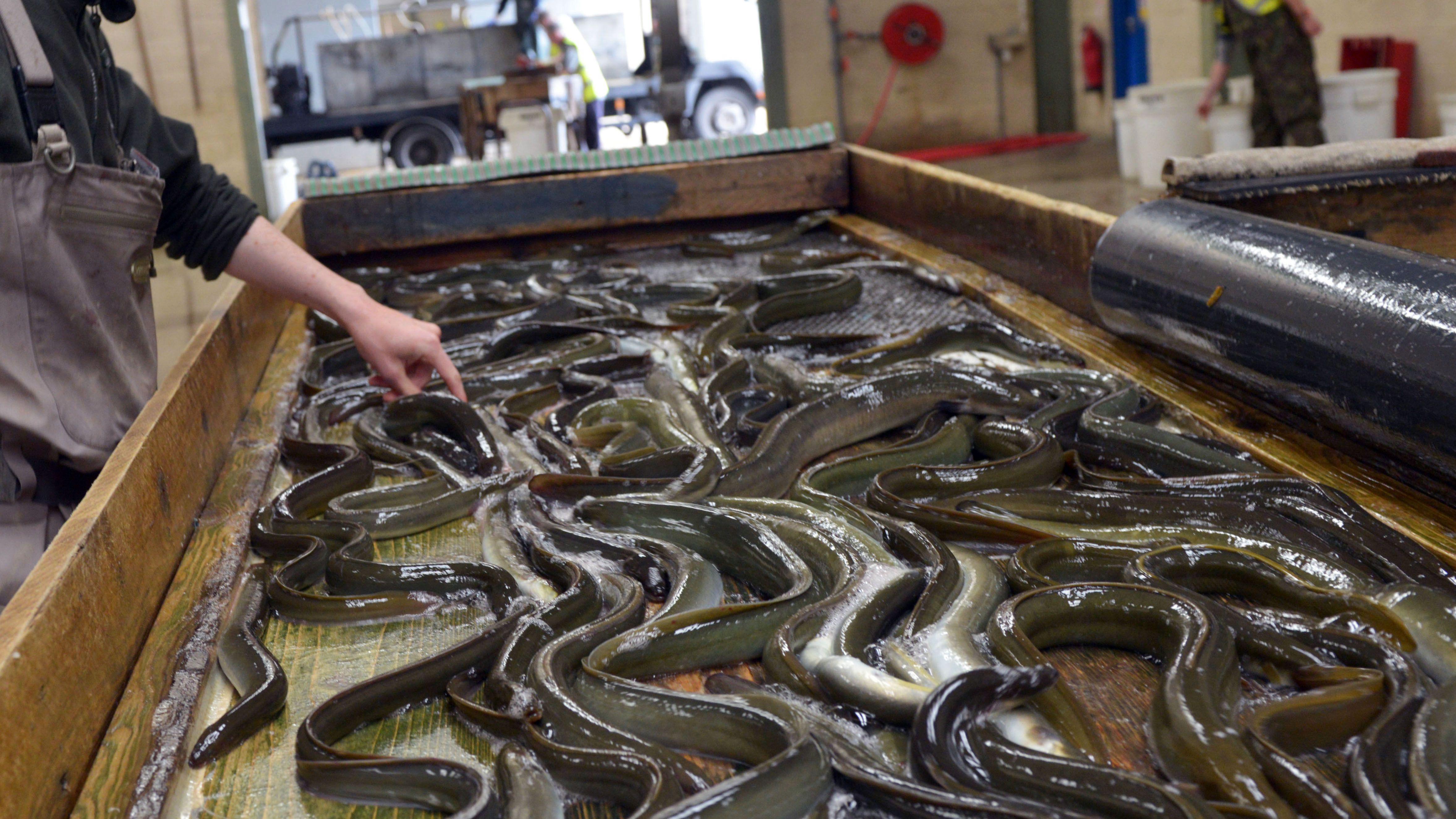
Three-Year Ban on Lough Neagh Yellow Eel Fishing Comes Into Force as European Eel Faces Extinction Threat
A three-year total closure of the yellow eel fishery on Lough Neagh has come into force following a decision by DAERA Minister Andrew Muir, as scientific advice from the International Council for the Exploration of the Sea warns that the European eel population has collapsed to between five and ten per cent of the levels recorded in the 1980s. The ban, which also imposes strict restrictions on the silver eel fishery, has been described as devastating by the Lough Neagh Fishermen's Co-operative Society, which represents more than 80 active permit holders whose livelihoods depend on the lough's waters.
Background
Lough Neagh is the largest freshwater lake in the British Isles, covering more than 380 square kilometres of County Antrim, County Armagh, County Down, County Londonderry, and County Tyrone. It has been a source of sustenance and livelihood for the communities of its shores for thousands of years, and the eel fishery — one of the oldest commercial fisheries in Ireland — has been central to the economic and cultural life of those communities for generations.
The European eel is a remarkable creature, born in the Sargasso Sea in the western Atlantic and migrating thousands of miles to the freshwater rivers and lakes of Europe, where it spends most of its adult life before returning to the Sargasso to spawn and die. The species has been in serious decline for decades, driven by a combination of factors including habitat loss, pollution, the proliferation of invasive species such as the zebra mussel, and the recurring toxic blue-green algal blooms that have plagued Lough Neagh in recent years. Recruitment of juvenile eels — the glass eels that arrive from the Sargasso — has fallen to between five and ten per cent of 1980s levels, a collapse that has alarmed scientists and conservationists across Europe.
The Agri-Food and Biosciences Institute, which provides scientific advice to DAERA on the management of Lough Neagh's fisheries, has been warning for several years that the eel population is in a critical state and that urgent action is required to prevent its collapse. The three-year ban on yellow eel fishing is the most significant regulatory intervention in the history of the Lough Neagh fishery, and it reflects the severity of the situation.
Key Developments
Under the new regulations, the yellow eel fishery on Lough Neagh is subject to a total and absolute closure for a period of three years, beginning in 2026. The silver eel fishery — which targets mature eels migrating back to the sea to spawn — is permitted to continue under a heavily restricted total allowable catch of 25 tonnes, with any silver eel exceeding 90 centimetres in length required to be returned to the water immediately.
The Lough Neagh Fishermen's Co-operative Society has described the regulations as severe and devastating for the local economy and the future of the industry. The co-operative has argued that the primary drivers of the eel population's decline are not overfishing but environmental degradation — the pollution, invasive species, and algal blooms that have transformed the ecology of the lough over the past three decades. Fishermen have expressed frustration that they are being asked to bear the cost of a crisis that they did not create.
Minister Andrew Muir has acknowledged the hardship caused by the closure and has committed to developing a temporary cessation scheme to provide financial support to affected permit holders as a matter of priority. The details of the scheme have not yet been finalised, and the absence of an immediate support package at the time of the announcement has been a source of significant frustration for the fishing community.
The ban has also raised broader questions about the future of Lough Neagh as an ecosystem. The lough has been severely affected by blue-green algal blooms in recent summers, driven by nutrient pollution from agricultural runoff and other sources, and the combination of ecological degradation and fishing restrictions has created a deeply uncertain outlook for the communities that depend on the lough.
Why It Matters
The Lough Neagh eel ban matters because it illustrates the painful trade-offs that arise when conservation imperatives collide with the livelihoods of communities that have depended on natural resources for generations. The European eel is genuinely at risk of extinction, and the scientific case for intervention is compelling. But the fishing families of Lough Neagh are not responsible for the pollution and habitat destruction that have driven the eel's decline, and it is deeply unjust to ask them to bear the full cost of a crisis caused by broader failures of environmental governance. The challenge for DAERA and the Northern Ireland Executive is to develop a support package that is adequate to the scale of the disruption, while also addressing the underlying environmental problems that have brought the lough to this point. A three-year ban that is not accompanied by meaningful action on water quality and invasive species will not save the eel — it will simply delay the inevitable while destroying the fishing community in the process.
Local Impact
The impact of the ban is being felt most acutely in the communities around the shores of Lough Neagh — in Toomebridge, Antrim, Lurgan, Portadown, and the smaller villages and townlands that have been connected to the lough's fisheries for generations. For the more than 80 permit holders affected by the closure, the loss of income is immediate and severe. Many of these families have been fishing the lough for multiple generations, and the eel fishery is not simply a source of income — it is a way of life and a cultural identity. The wider economic impact on the communities of the lough shore, including the businesses that supply and service the fishing industry, will also be significant. The Western, Southern, and Northern Health and Social Care Trusts, which serve the communities around the lough, may also see increased demand for mental health and financial support services as the economic pressure on fishing families intensifies.
What's Next
DAERA has committed to publishing the details of the temporary cessation scheme for affected permit holders within the coming weeks. The scheme is expected to provide financial support to help fishing families manage the transition during the three-year closure. A broader review of the environmental management of Lough Neagh, including measures to address water quality and the proliferation of invasive species, is also expected to be published before the end of 2026. The three-year ban will be reviewed in 2029, with the decision on whether to extend or lift the closure dependent on the recovery of the eel population and the improvement of the lough's ecological condition.