Taoiseach Refuses Direct Drumcree Intervention as Dáil Unites in Calling for Negotiated Resolution
Taoiseach Micheál Martin has told Sinn Féin he will not intervene directly in the Drumcree standoff, insisting the matter is primarily for the Northern Ireland institutions and the British government to resolve, while the Dáil united in an unusual display of cross-party concern about the crisis — with the Taoiseach expressing support for the appointment of an international mediator but stopping short of the more assertive role that nationalist politicians had sought from Dublin.
Background
The role of the Irish government in Northern Ireland affairs is defined by the Good Friday Agreement, which established a series of North-South institutions and gave Dublin a formal consultative role in matters affecting the nationalist community in the north. However, the Agreement also respects the principle of consent and the primacy of the Northern Ireland institutions in managing the day-to-day affairs of the region. This creates a delicate balance for any Taoiseach confronted with a crisis in the north — too little engagement risks appearing indifferent to the concerns of nationalists, while too much risks being accused of interference in the internal affairs of the United Kingdom.
The Drumcree crisis has placed Taoiseach Martin in precisely this difficult position. Sinn Féin, which is in government in Dublin as well as in Belfast, has been pressing for a more assertive Irish government response, arguing that the scale of the crisis warrants direct engagement from the Taoiseach. Other nationalist voices, including the SDLP and community leaders in the Garvaghy Road area, have also called on Dublin to use its influence to help resolve the standoff.
The Taoiseach's position has been shaped by a number of considerations. He is acutely aware of the risk that direct Irish government intervention could be portrayed by unionists as Dublin interfering in Northern Ireland's affairs, potentially inflaming tensions further. He is also conscious of the need to maintain a working relationship with the British government, which is managing the crisis through Northern Ireland Secretary Chris Bryant, and of the importance of not undermining the authority of the Parades Commission and the courts.
Key Developments
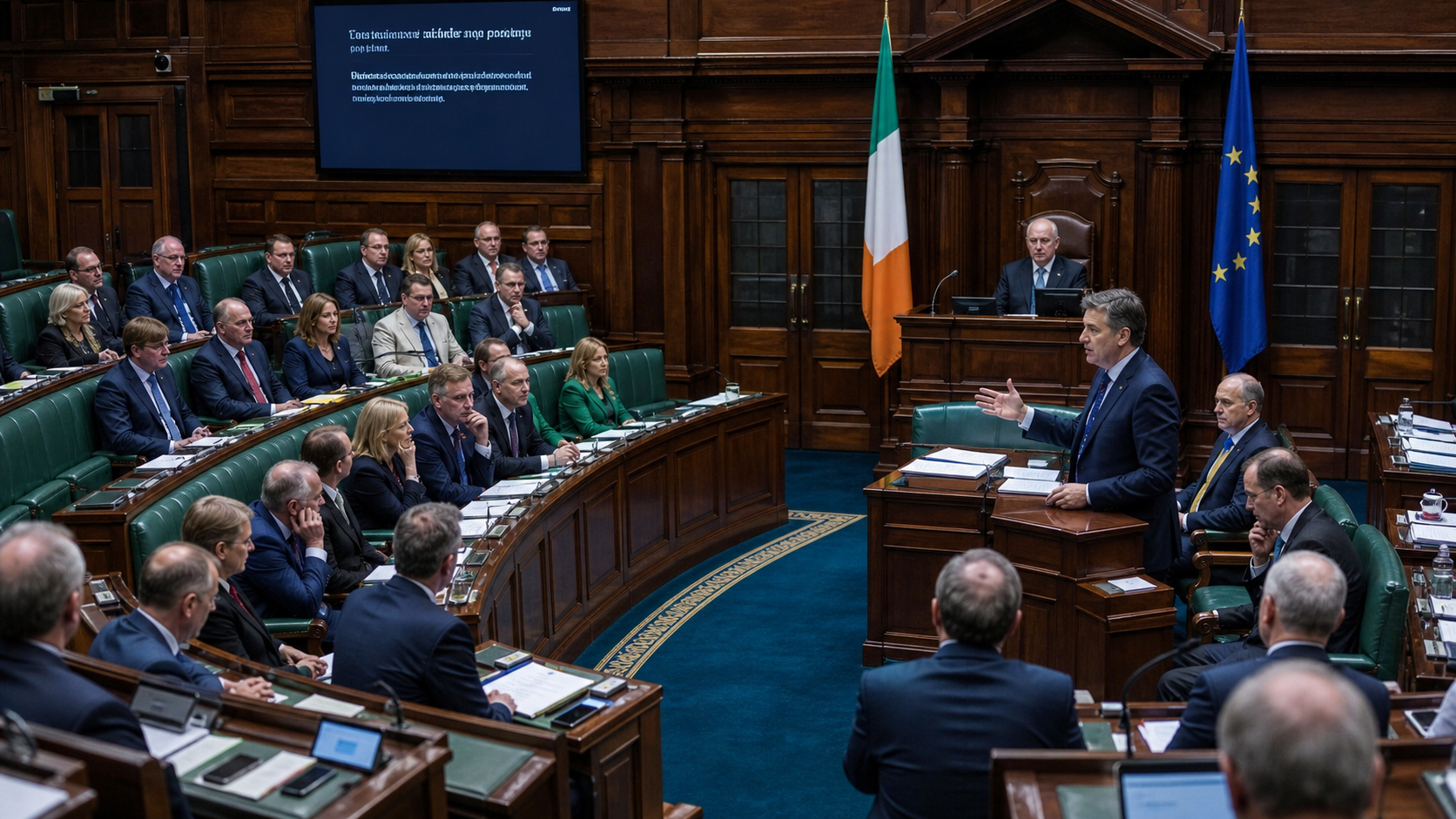
Speaking in the Dáil on Wednesday, Taoiseach Martin urged all sides to "dial back" and engage in dialogue, while making clear that he would not be intervening directly in the standoff. He expressed support for the appointment of an independent international mediator — a position that aligns with the call from the Garvaghy Road Residents' Coalition — but indicated that the appointment of such a mediator would need to be agreed by all parties, including the Orange Order and the British government.
The Taoiseach's statement drew criticism from Sinn Féin, whose leader Mary Lou McDonald argued that the scale of the crisis demanded a more assertive response from Dublin. McDonald accused the Taoiseach of "hiding behind process" at a moment when the peace process itself was under threat. The SDLP's leader, speaking from Westminster, echoed the call for greater Irish government engagement, arguing that the Good Friday Agreement gave Dublin both the right and the responsibility to play a more active role.
The Dáil debate was notable for the degree of cross-party unity in expressing concern about the crisis. Fine Gael, Fianna Fáil, Sinn Féin, Labour, the Social Democrats, and the Green Party all spoke in similar terms about the gravity of the situation and the need for a negotiated resolution. The Irish Times described the debate as a "Krakatoa that nobody saw coming," reflecting the sense that the Drumcree crisis had erupted with a speed and intensity that caught many political observers off guard.
Why It Matters
The Taoiseach's position matters because it defines the limits of Dublin's engagement with the crisis and shapes the expectations of all parties about what the Irish government is prepared to do. By supporting the appointment of an international mediator while declining to intervene directly, Martin is attempting to thread a needle — demonstrating solidarity with the nationalist community while respecting the constitutional framework of the Good Friday Agreement. Whether this position is sustainable will depend on how the crisis develops in the coming days.
The cross-party unity in the Dáil is also significant. It reflects a genuine consensus across the Irish political spectrum that the Drumcree crisis represents a serious threat to the peace process and that the Irish government has a responsibility to use its influence — within appropriate limits — to help resolve it. This consensus gives the Taoiseach some political cover for his cautious approach, but it also creates pressure to demonstrate that the approach is producing results.
Local Impact
In the border counties — particularly Monaghan, Cavan, and Louth — the Drumcree crisis is being watched with particular anxiety. These communities have direct experience of the impact that instability in Northern Ireland can have on cross-border economic activity, tourism, and daily life. Business groups in the border region have urged political leaders on both sides of the border to prioritise a resolution, warning that the uncertainty generated by the crisis is already affecting investment decisions and consumer confidence. The North-South Ministerial Council, which provides a formal mechanism for cooperation between the Irish and Northern Ireland governments, has been unable to meet in its normal format due to the political crisis at Stormont.
What's Next
The Taoiseach is expected to speak with Northern Ireland Secretary Bryant in the coming days to discuss the prospects for an international mediator. The Irish government has indicated that it is prepared to support the costs of a mediation process if one can be agreed. The Dáil will continue to monitor the situation, with further statements expected if the crisis escalates. The Taoiseach has indicated that he will travel to Belfast if a credible mediation process is established and if his presence would be helpful to that process.