Martin Takes Ireland's EU Presidency Clout to UNGA as Gaza and UN Reform Top the Agenda in New York
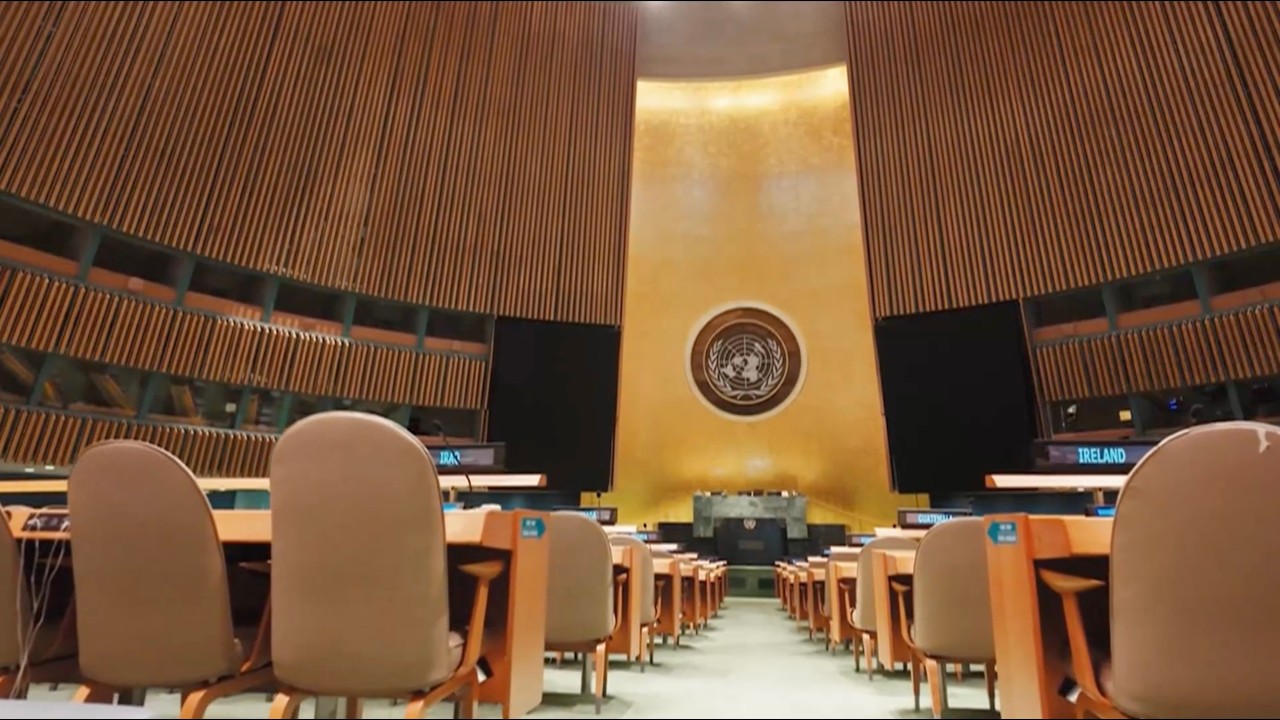
Taoiseach Micheál Martin has arrived in New York to lead Ireland's delegation to the 81st United Nations General Assembly High-Level Week, using the country's current Presidency of the Council of the European Union to amplify Ireland's voice on the issues of greatest concern to the government — a Gaza ceasefire, reform of UN financing, and the protection of women's rights in Afghanistan — in what is shaping up to be one of the most diplomatically consequential weeks of the current Dáil term.
Background
Ireland's relationship with the United Nations has always been characterised by a particular intensity of engagement that reflects the country's self-image as a small, neutral state with a strong commitment to multilateralism and international law. From the early days of Irish UN membership in 1955 to the country's current non-permanent seat on the Security Council, Ireland has consistently punched above its weight in international forums, using its diplomatic credibility and its reputation for principled engagement to advance causes that larger powers might find inconvenient.
The 2026 UNGA is taking place against a backdrop of acute international tension. The wars in Ukraine and the Middle East continue to dominate the global agenda, the UN faces warnings of "imminent financial collapse" due to unpaid member state fees — with the United States under President Trump refusing to contribute to regular or peacekeeping budgets — and the institution's capacity to respond to global crises is under unprecedented strain. Ireland's EU Presidency, which runs until the end of December, gives the Taoiseach a platform that goes beyond Ireland's individual voice, allowing him to speak on behalf of the 27-member bloc on issues where there is a common European position.
The Irish delegation to UNGA includes Minister for Foreign Affairs Helen McEntee, Minister for Transport and Climate Darragh O'Brien, Minister of State for International Development and Diaspora Neale Richmond, and Minister of State for the Marine Timmy Dooley. The Taoiseach is scheduled to deliver Ireland's national statement on the evening of Thursday, September 24.
Key Developments
The Gaza crisis is the issue on which Ireland has taken the most prominent international position in recent months. The government's recognition of Palestinian statehood in May 2024, its support for the International Court of Justice proceedings against Israel, and its vocal criticism of the conduct of the war have made Ireland one of the most outspoken Western governments on the issue. At UNGA, the Taoiseach is expected to call for an immediate and unconditional ceasefire, the release of all hostages, and the lifting of restrictions on humanitarian aid to Gaza.
Minister McEntee hosted a high-level event on the rights of women and girls in Afghanistan in partnership with the Malala Fund, bringing together foreign ministers and civil society representatives to discuss the Taliban's systematic erasure of women from public life. McEntee described the situation in Afghanistan as "a gender apartheid" and called for the international community to maintain pressure on the Taliban regime through targeted sanctions and diplomatic isolation.
The question of UN financing is also high on the Irish agenda. The refusal of the United States to pay its assessed contributions to the UN regular budget and peacekeeping operations has created a financial crisis that threatens the organisation's ability to function. Ireland, as EU Presidency holder, is working with other member states to develop a coordinated European response to the funding gap.
Why It Matters
Ireland's engagement at UNGA matters for reasons that go beyond the specific issues on the agenda. The country's credibility as a principled actor in international affairs — built over decades of peacekeeping, development assistance, and multilateral engagement — is a genuine diplomatic asset that gives Irish voices weight in international forums that they would not otherwise carry. The Taoiseach's ability to speak as EU Presidency holder amplifies that weight further, allowing Ireland to shape the European position on issues where it has strong views.
The Gaza issue is particularly significant. Ireland's position has been more forthright than that of most EU member states, and the Taoiseach's speech at UNGA will be watched closely by both allies and critics. The government has been careful to frame its position in terms of international law and humanitarian principles rather than political partisanship, but the distinction is not always easy to maintain in the current climate.
For Irish domestic politics, the UNGA week is also an opportunity for the government to demonstrate its foreign policy credentials to an electorate that has shown strong support for Ireland's international positions on Gaza and other issues.
Local Impact
The Irish diaspora in New York — estimated at several hundred thousand people — will be watching the Taoiseach's UNGA appearance with particular interest. The Irish-American community has historically been a significant factor in shaping US policy towards Ireland, and the government's engagement with diaspora organisations during UNGA week is an important part of maintaining those relationships. Minister of State Richmond, who has responsibility for the diaspora, is scheduled to meet with representatives of Irish community organisations in New York during the week. The Department of Foreign Affairs has also confirmed that consular services for Irish citizens in the New York area will be available throughout the week.
What's Next
The Taoiseach is scheduled to deliver Ireland's national statement at UNGA on Thursday evening, September 24. He will also hold bilateral meetings with a number of world leaders during the week, including discussions focused on the Gaza situation and the future of UNIFIL, the UN peacekeeping force in Lebanon whose mandate is due to expire on December 31. The Irish delegation will return to Dublin at the end of the week, and the Taoiseach is expected to brief the Dáil on the outcomes of the UNGA meetings when the Dáil resumes after the mid-term break in October.