Taoiseach Does Not Rule Out Alcohol Excise Cut in Budget 2027 as Pub Closure Crisis Deepens
Taoiseach Micheál Martin has declined to rule out a reduction in excise duty on alcohol in Budget 2027, as the government faces intensifying pressure from the hospitality sector following a study warning that a quarter of Ireland's pubs have closed since 2005 and that a further 1,000 could shut without meaningful budgetary relief.
Background
Ireland's pub sector has been in structural decline for two decades, driven by a combination of changing social habits, stricter drink-driving enforcement, rising costs, and the long-term impact of the smoking ban introduced in 2004. The number of licensed premises in Ireland has fallen steadily since the early 2000s, with rural pubs particularly hard hit as population decline and car dependency have reduced the viability of traditional village and townland drinking establishments.
The Covid-19 pandemic accelerated the closure trend, with many pubs that had been marginal before the pandemic unable to survive the extended closures and subsequent trading restrictions. The post-pandemic recovery has been uneven, with urban pubs in Dublin and other major cities generally faring better than rural establishments, which face the additional challenge of a shrinking local customer base.
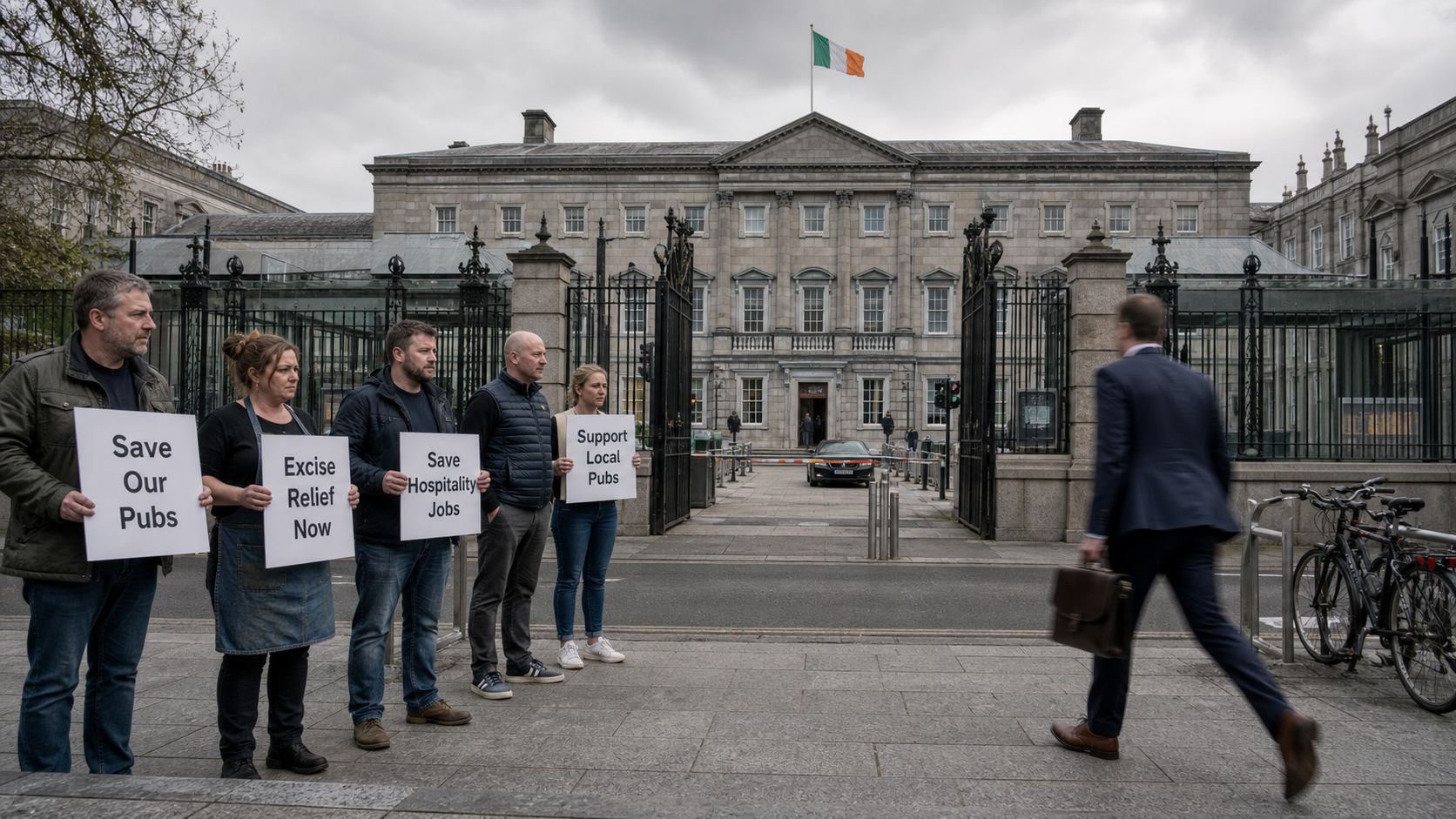
The hospitality sector has been lobbying the government for a reduction in excise duty on alcohol for several years, arguing that Ireland's excise rates are among the highest in the European Union and place Irish pubs at a competitive disadvantage relative to off-licences and supermarkets, where alcohol is sold at significantly lower prices. The sector has also called for a reduction in the VAT rate for hospitality services, which was temporarily reduced during the pandemic but subsequently restored to 13.5 per cent.
Key Developments
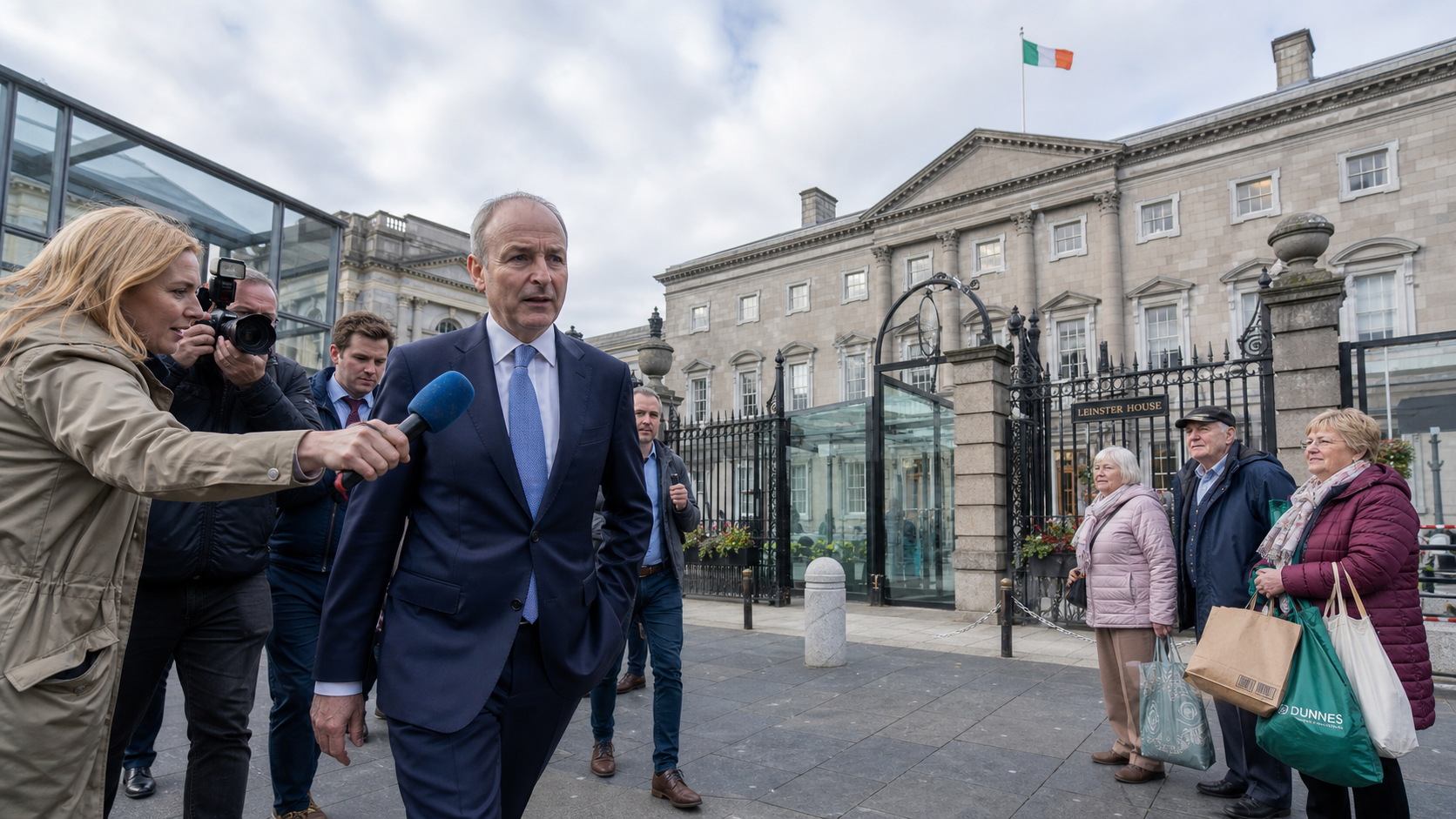
Speaking after the Cabinet's first in-person meeting since the summer recess, Taoiseach Micheál Martin said the government had not yet discussed cutting alcohol excise in Budget 2027 but declined to rule it out. The Taoiseach acknowledged the pressures facing the hospitality sector and said the government was "very conscious" of the challenges facing rural pubs in particular.
The comments came in the wake of a study warning that a quarter of Ireland's pubs have closed since 2005 and that a further 1,000 could shut without budgetary relief. The study, which was cited by hospitality industry representatives in their pre-budget submissions, painted a stark picture of a sector under severe financial pressure, with energy costs, wage inflation, and the cost of compliance with new regulations all contributing to the squeeze on margins.
Minister for Finance Paschal Donohoe has previously indicated that any excise reduction would need to be carefully calibrated to avoid undermining public health objectives, given the well-documented links between alcohol consumption and a range of health and social harms. The Department of Health has consistently opposed excise reductions on public health grounds.
Why It Matters
The pub closure crisis is not merely an economic issue — it has significant social and cultural dimensions. In rural Ireland, the local pub has traditionally served as a community hub, a venue for social interaction, and a focal point for local identity. The closure of a village pub often marks a broader decline in community infrastructure, with knock-on effects for social cohesion and the wellbeing of older residents in particular.
The debate about alcohol excise also reflects a broader tension in Irish public policy between economic and public health objectives. Ireland has made significant progress in reducing alcohol-related harm in recent years, with the Public Health (Alcohol) Act 2018 introducing a range of measures including minimum unit pricing, restrictions on advertising, and mandatory health labelling. A reduction in excise duty would risk undermining some of these gains by making alcohol more affordable.
For the government, the political calculus is complex. The hospitality sector is a significant employer, particularly in rural constituencies where alternative employment is limited. The closure of pubs and restaurants in these areas has real consequences for local economies and for the government's electoral support. At the same time, any excise reduction will face opposition from public health advocates and from within the government's own coalition.
Local Impact
The pub closure crisis is felt most acutely in rural counties, where the density of licensed premises has fallen most sharply. In counties such as Roscommon, Leitrim, and Longford, the closure of village pubs has left some communities without any licensed premises within walking distance. In Connacht and Ulster, where rural depopulation has been most severe, the loss of the local pub is often cited by community leaders as a significant blow to social infrastructure. In urban areas, the picture is more mixed: Dublin city centre pubs have generally recovered well from the pandemic, but suburban and outer-city establishments face ongoing pressure from changing consumer habits and the growth of home drinking.
What's Next
Budget 2027 is expected to be announced in October 2026. The government's pre-budget consultations are ongoing, with the hospitality sector among the most active lobbying groups. The Department of Finance is expected to publish its tax strategy papers in the coming weeks, which will give an indication of the government's thinking on excise and VAT rates. The Vintners' Federation of Ireland and the Licensed Vintners Association have both indicated they will intensify their lobbying efforts in the run-up to the budget.