Taoiseach Dismisses Sinn Féin Celtic Alliance as 'Ráiméis' That Could Set Back Irish Unity Cause
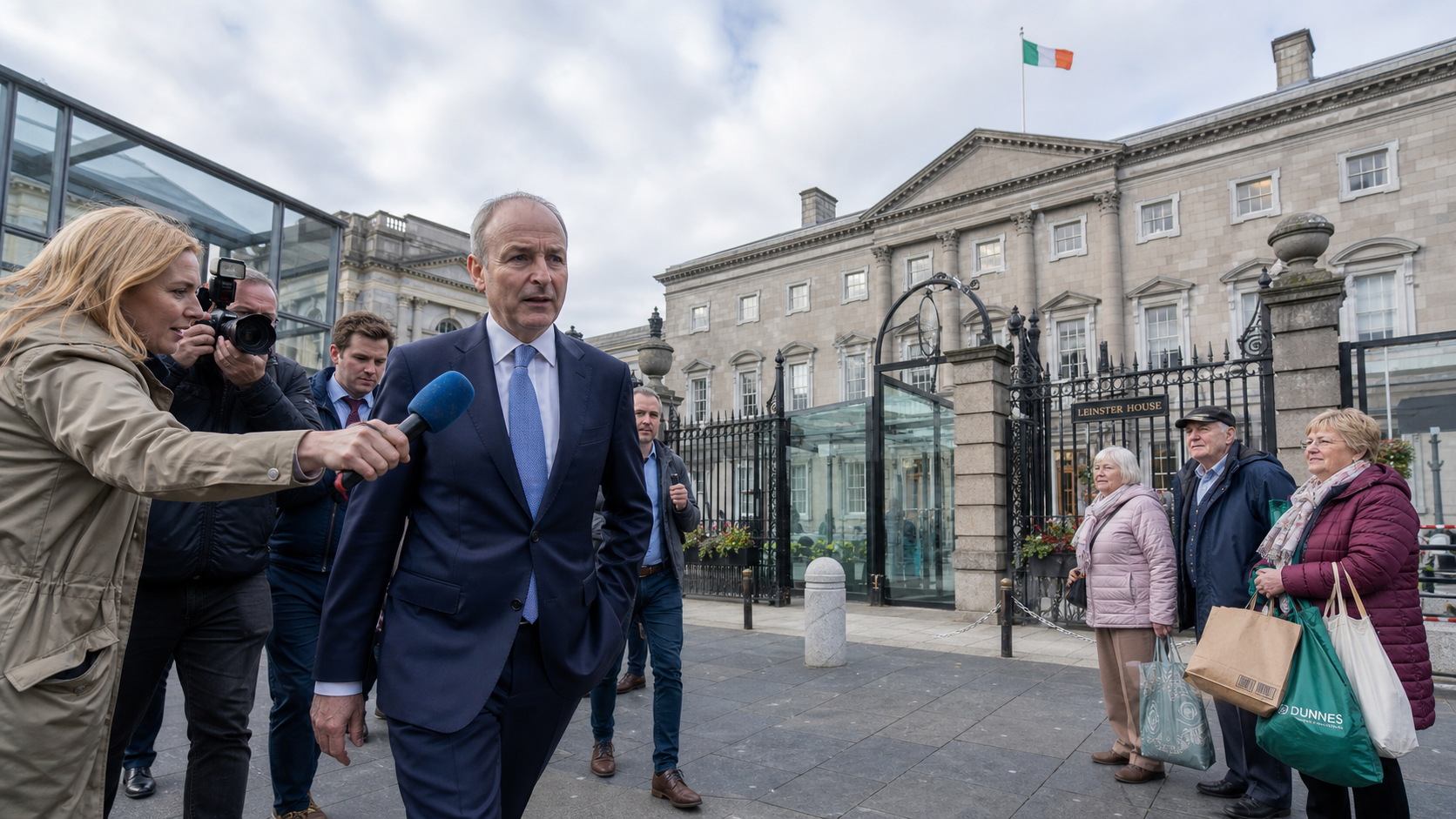
Taoiseach Micheál Martin has dismissed Sinn Féin's efforts to align with Scottish and Welsh political parties to advocate for border referendums as "ráiméis" — Irish for nonsense — warning that the initiative could potentially set back the cause of Irish unity rather than advance it, as the Dáil returned from its summer recess with the constitutional debate still reverberating from Donald Trump's recent visit to Ireland.
Background
The question of Irish unity has rarely been more prominent in mainstream political discourse than it has been in the weeks since Donald Trump's visit to Ireland, during which the former US president made public remarks expressing support for a united Ireland. Those comments, made during his stay at his Doonbeg golf resort in County Clare, prompted a wave of political reaction across the island, with unionist parties in Northern Ireland expressing fury and Sinn Féin seeking to capitalise on the moment to advance the case for a border poll.
Sinn Féin's response to the Trump visit included a series of meetings in Cardiff between the party's leadership and the first ministers of Wales and Scotland, aimed at building what has been described as a "Celtic alliance" of parties advocating for independence referendums in their respective jurisdictions. The initiative was presented by Sinn Féin as a demonstration of the growing momentum for constitutional change across the nations of the British Isles, and as a platform for coordinated pressure on the Westminster government to grant the referendums that each party seeks.
The Taoiseach's response has been sharply critical. Martin has consistently argued that the path to Irish unity runs through persuasion and consensus-building on the island of Ireland, not through alignment with independence movements in Scotland and Wales that have their own distinct political contexts and objectives. He has also expressed concern that the Celtic alliance framing could alienate moderate unionist opinion in Northern Ireland, making the prospect of a successful border poll more rather than less distant.
Key Developments
Speaking as the Dáil returned from its summer recess, Martin described the Celtic alliance initiative as "ráiméis," a term that carries connotations of foolishness as well as nonsense in Irish. He argued that linking the Irish unity question to Scottish independence and Welsh devolution was a category error that misunderstood the specific political and constitutional context of Northern Ireland, where the Good Friday Agreement provides a specific framework for a border poll that is distinct from the mechanisms available in Scotland and Wales.
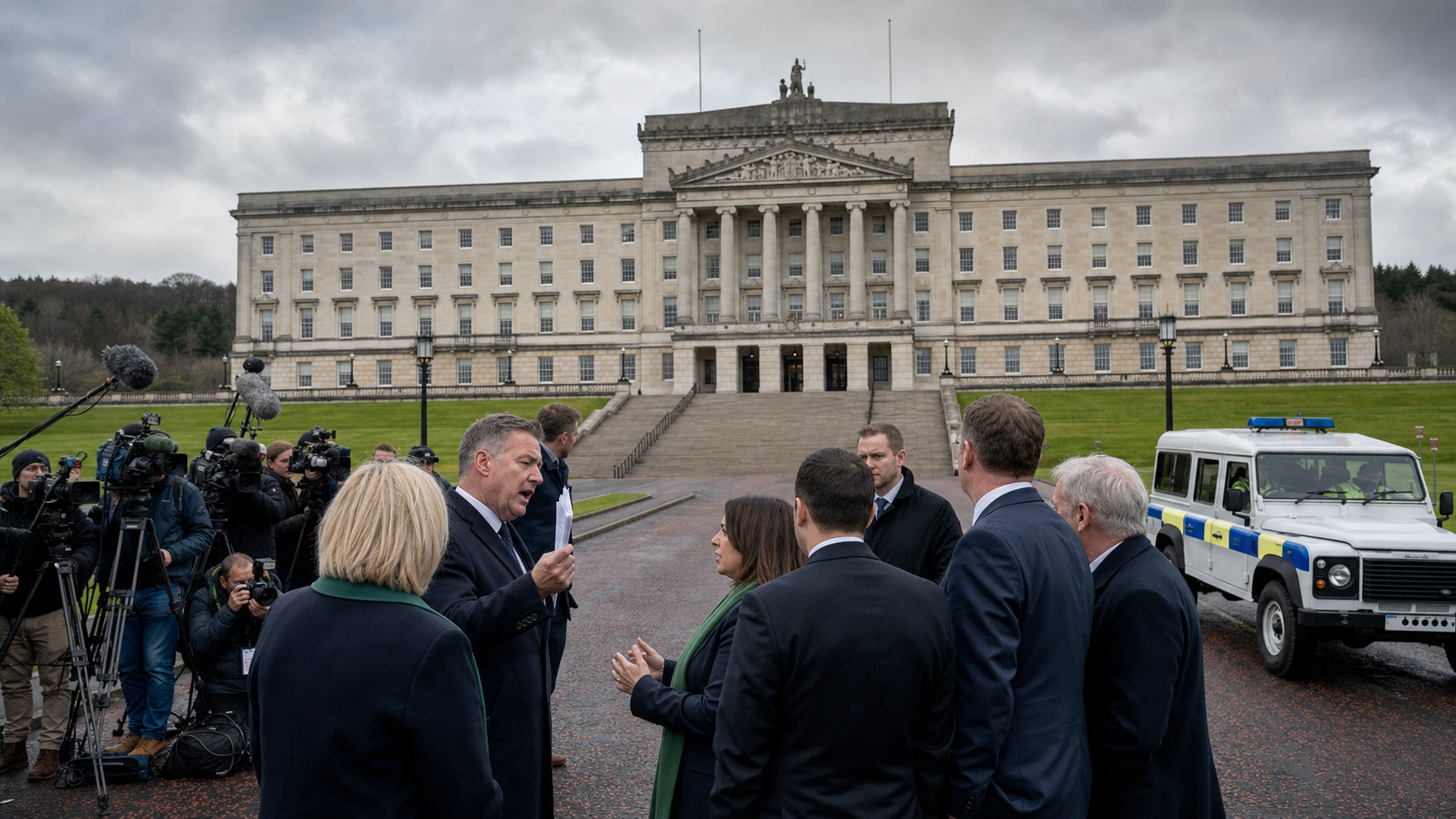
The Taoiseach also reiterated his view that a border poll should only be called when there is a reasonable prospect of it being won, and that the current political conditions — including the ongoing budget deadlock at Stormont and the fragility of the power-sharing institutions — do not meet that threshold. He expressed concern that a premature poll that resulted in a vote to remain in the United Kingdom would set back the unity cause for a generation.
Sinn Féin has rejected the Taoiseach's criticism, arguing that building international alliances for constitutional change is a legitimate and necessary part of the political strategy for unity. The party's leadership has pointed to the Trump remarks as evidence that the international context for a border poll is more favourable than at any point since the Good Friday Agreement.
Why It Matters
The exchange between the Taoiseach and Sinn Féin reflects a fundamental disagreement about the strategy for achieving Irish unity that goes beyond tactical differences. Martin's approach — patient, consensus-focused, and wary of moves that could harden unionist opposition — is rooted in a reading of the Good Friday Agreement that emphasises the need for cross-community consent. Sinn Féin's approach — more assertive, internationally oriented, and willing to apply political pressure — reflects a belief that the conditions for unity are ripening and that the moment should be seized. Both approaches have their merits and their risks, and the debate between them is likely to define Irish politics for the coming decade. The Trump factor has added an unpredictable external variable to a debate that was already complex enough without it.
Local Impact
In Northern Ireland, the Celtic alliance initiative has been received with alarm by unionist parties, who see it as evidence that Sinn Féin is pursuing a unity agenda through the back door of international politics rather than through the democratic processes provided for in the Good Friday Agreement. The DUP has described the Cardiff meetings as a "threat to the union" and has announced plans to join a Scottish Orange Order event as a counter-demonstration of unionist solidarity. In the Republic, the debate has highlighted the degree to which the unity question has moved from the margins to the mainstream of political discourse, with parties across the spectrum now required to articulate a position on the timing and conditions for a border poll.
What's Next
The Dáil is expected to debate the unity question in the coming weeks, with opposition parties likely to press the Taoiseach on the government's position on the conditions for a border poll. Sinn Féin has indicated that it will continue to develop the Celtic alliance initiative, with further meetings planned between the party's leadership and its counterparts in Scotland and Wales. The North-South Ministerial Council is scheduled to meet in October, and the unity question is expected to feature in the discussions between the Irish government and the Northern Ireland Executive.