Stormont's Legislative Clock Is Ticking: Speaker Warns of Race Against Time as Election Looms and Bills Pile Up
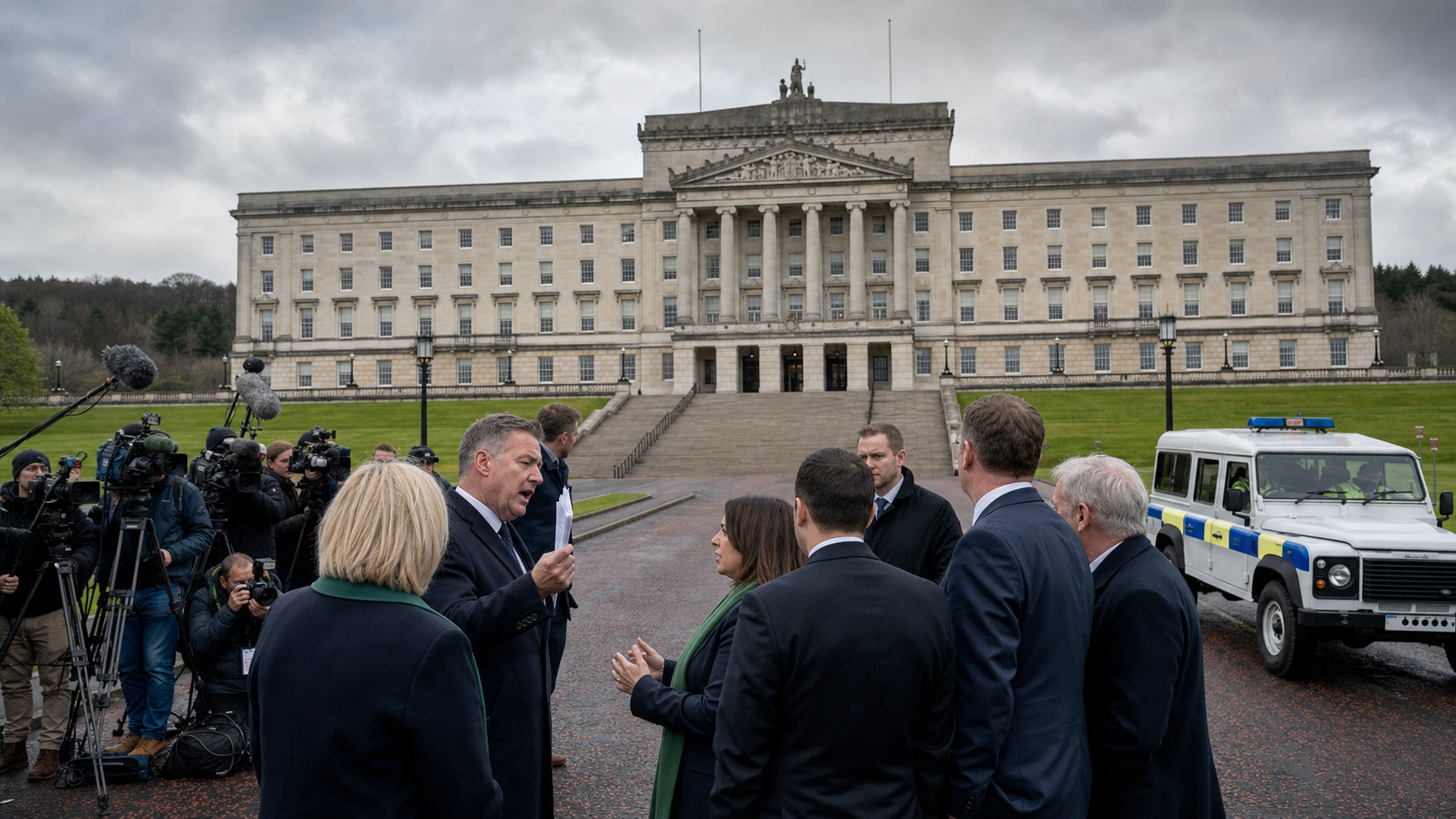
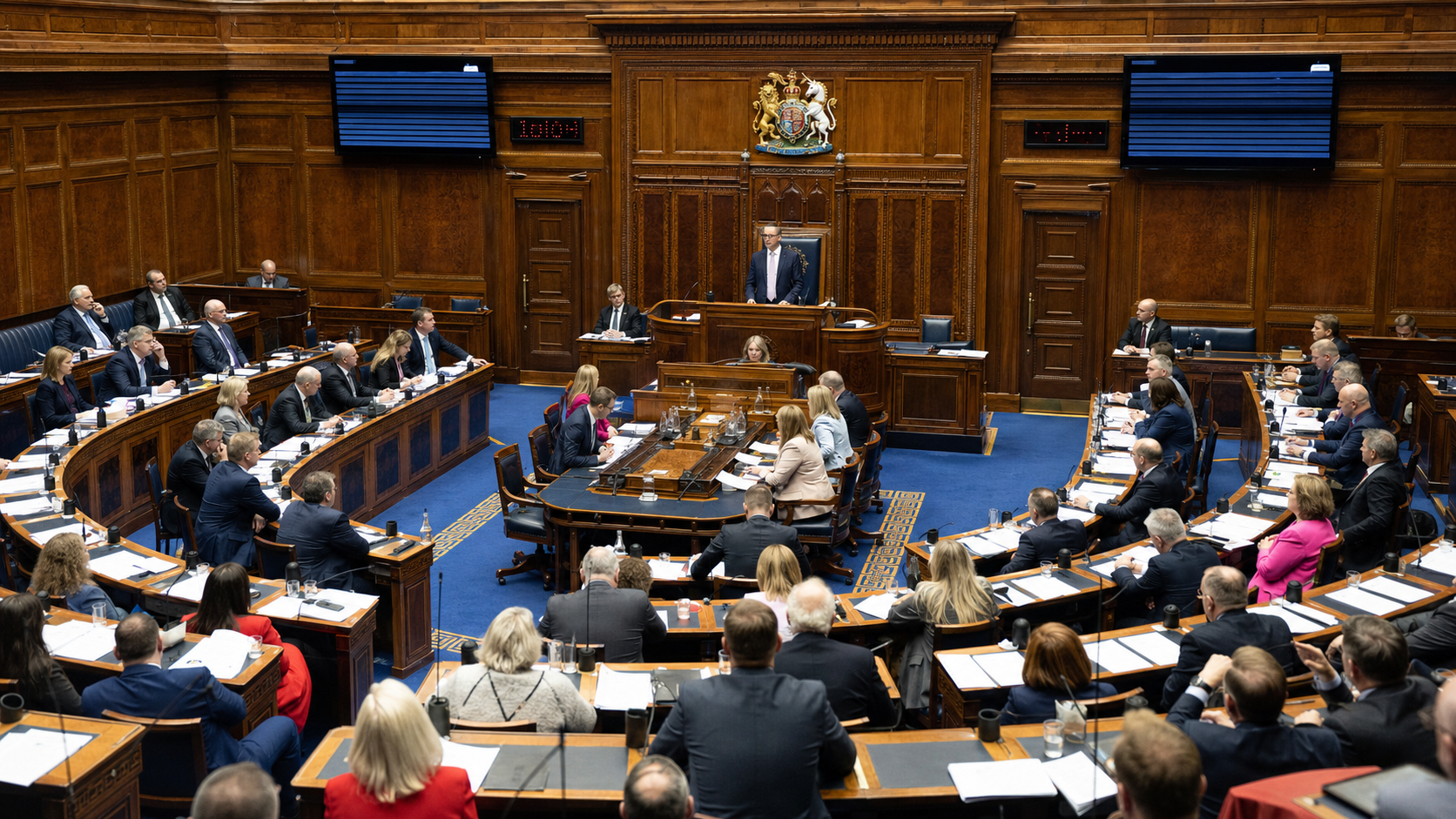
Assembly Speaker Edwin Poots has issued a stark public warning that the Northern Ireland Executive faces a genuine race against time to pass significant legislation before the Assembly dissolves in March 2027, with the Good Jobs Bill, the Race Equality Bill, and a resolution to the Casement Park impasse among the items that must navigate a compressed legislative window — all against the backdrop of a pre-election atmosphere that is already causing parties to defer the difficult decisions that effective governance requires.
Background
The Northern Ireland Assembly operates on a fixed-term basis, with elections scheduled every five years. The current Assembly, elected in May 2022, is due to dissolve in March 2027 ahead of a scheduled election in May of that year. This creates a hard deadline for the current Executive — a deadline that concentrates minds but also, paradoxically, can inhibit decision-making as parties begin to position themselves for the electoral contest rather than focusing on the business of government.
The legislative backlog facing the Assembly is substantial. Several significant pieces of legislation that were committed to in the New Decade, New Approach agreement — the document that restored devolution in January 2020 after a three-year collapse — have yet to be enacted. The Race Equality Bill, which would introduce statutory protections against racial discrimination in areas not currently covered by existing legislation, has not yet been tabled. The Good Jobs Bill, which aims to reform employment law, is at an early stage of its legislative journey. And the Casement Park redevelopment, which is not a legislative matter but requires Executive decisions on funding and legal strategy, remains unresolved.
Speaker Poots, who has been consistent in his warnings about the limited time available to clear the legislative backlog, has indicated that bills introduced after October 2026 will struggle to complete all their stages before dissolution — a practical constraint that gives the next few weeks particular significance.
Key Developments
The Good Jobs Bill, championed by Economy Minister Caoimhe Archibald of Sinn Féin, is the most politically contested item on the legislative agenda. The bill proposes to strengthen employment rights for workers on zero-hours contracts, improve access to flexible working, and introduce new protections against exploitative employment practices. The DUP has expressed reservations, citing concerns from business groups — particularly in the retail and hospitality sectors — about the potential impact on competitiveness and operational flexibility. The bill's passage before dissolution is not guaranteed, and the DUP's position will be decisive.
The Race Equality Bill has cross-party support in principle but has been delayed by disagreements about its scope and the resources required for implementation. Equality groups have expressed frustration that a bill committed to in 2020 has still not been tabled six years later, arguing that the delay sends a damaging signal about the Executive's commitment to racial equality. The Speaker has indicated that the bill must be introduced before the October recess if it is to have any realistic chance of passing before dissolution.
The Casement Park situation is a source of particular embarrassment for the Executive. The stadium redevelopment, which would create a 34,500-capacity venue in west Belfast and serve as a major venue for the 2028 European Championship, has been delayed by legal challenges and funding disputes for several years. Infrastructure Minister John O'Dowd has indicated that a resolution to the outstanding legal issues is expected before the end of 2026, but the project's track record of missed deadlines has eroded confidence in those assurances.
Why It Matters
The legislative race against time matters because the decisions not taken in this Assembly will not simply be deferred — they will be inherited by the next Executive in a more difficult context. The Race Equality Bill, if not passed before dissolution, will need to be reintroduced from scratch by the incoming Assembly, losing whatever progress has been made in the current term. The Good Jobs Bill, if it fails, will leave Northern Ireland's employment law framework further behind that of the Republic and Great Britain. And Casement Park, if not resolved, will miss the 2028 European Championship — a reputational and economic loss that cannot be recovered.
The pre-election dynamic is a genuine constraint on decision-making. Parties are reluctant to take positions that could be used against them in the May 2027 campaign, and the DUP in particular is navigating internal pressures that make bold legislative commitments politically risky. The result is a tendency toward caution and deferral that is understandable in political terms but damaging in governance terms.
Local Impact
The legislative backlog has concrete consequences for communities across Northern Ireland. Workers on zero-hours contracts in Belfast's hospitality sector, in Derry's retail industry, and in Antrim's logistics companies are waiting for the employment protections that the Good Jobs Bill would provide. Ethnic minority communities across the province — in Belfast's Cathedral Quarter, in Newry, in Dungannon — are waiting for the statutory protections that the Race Equality Bill would deliver. And the communities of west Belfast who have been promised a world-class stadium for their sport are waiting for a resolution to a dispute that has dragged on for years.
What's Next
The Assembly's October recess begins on 23 October, giving the Executive approximately six weeks to introduce the Race Equality Bill if it is to have any realistic chance of passing before dissolution. The Good Jobs Bill is scheduled for its second stage reading in October, with the DUP's position likely to be clarified in the coming weeks. The Casement Park legal situation is expected to be resolved by November, at which point a revised project timeline will be published. The Assembly's final plenary session before dissolution is scheduled for 13 March 2027.