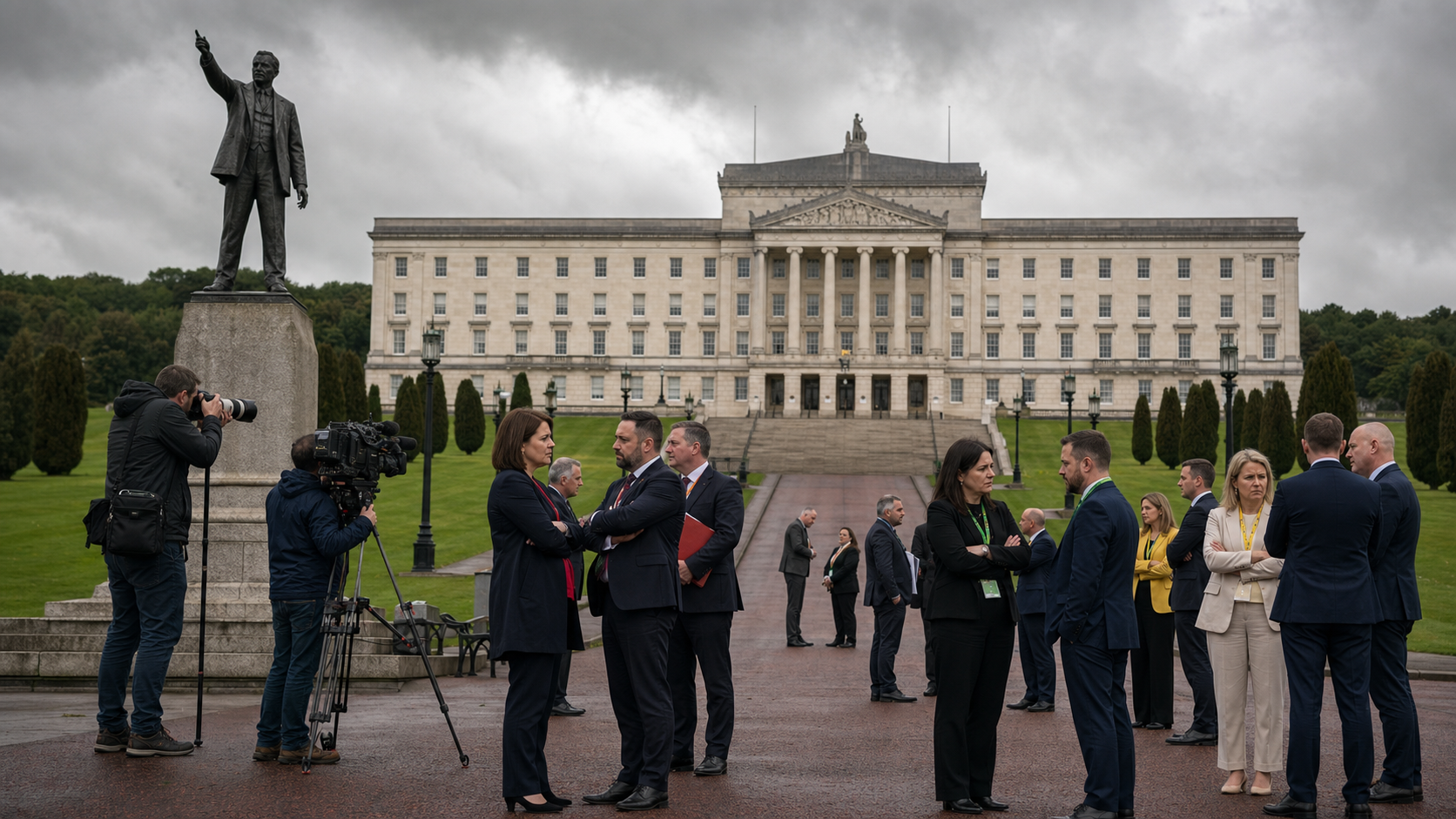
Stormont Mired in Reform Deadlock as DUP Rejects Sinn Féin and Alliance Calls to Remove Executive Veto Powers
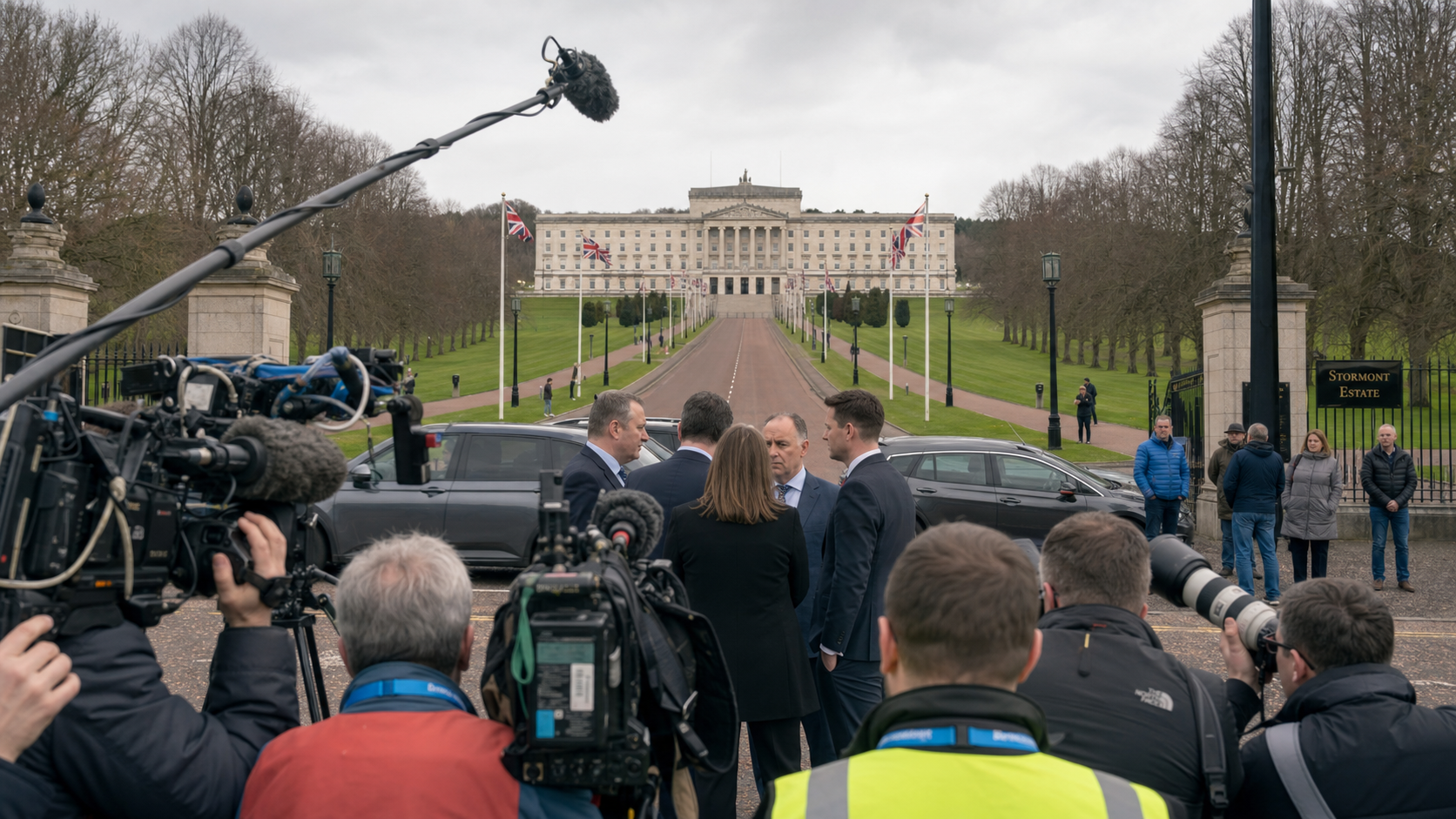
The Stormont Assembly is mired in a deepening political deadlock over the future of its power-sharing institutions, with Sinn Féin, the Alliance Party, and the SDLP pushing for fundamental reforms to prevent a single party from collapsing the Executive, while the DUP has firmly rejected the proposals as an attempt by a "nationalist, republican, Alliance majority" to override the cross-community safeguards that are the foundation of the Good Friday Agreement.
Background
The power-sharing institutions established by the Good Friday Agreement in 1998 were designed to ensure that neither the unionist nor the nationalist community could dominate the other in the governance of Northern Ireland. The key mechanism for achieving this is the requirement for cross-community consent on major decisions, enforced through a system of designations — MLAs designate themselves as unionist, nationalist, or other — and weighted majority voting. The most controversial element of this system is the ability of a single designated party to trigger the collapse of the Executive by withdrawing from it, a mechanism that has been used on multiple occasions to bring down the institutions.
The DUP's decision to collapse the Executive in February 2022 in protest at the Northern Ireland Protocol — and its subsequent refusal to re-enter government for two years — was the most recent and most damaging exercise of this veto power. The two-year absence of a functioning Executive left Northern Ireland without a government at a time of significant economic and social challenge, and the experience has galvanised support for reform among parties that do not hold the veto.
Sinn Féin published its "Building Better Politics" proposals in June 2026, setting out a series of reforms to the Stormont institutions that the party argues would make them more stable, more accountable, and more effective. The centrepiece of the proposals is the removal of the ability of a single party to collapse the Executive by withdrawing from it, replacing it with a system that would require a broader cross-community consensus before the institutions could be brought down.
Key Developments
The debate over Stormont reform has intensified in July 2026, with Sinn Féin, Alliance, and the SDLP all making the case for change in the Assembly chamber and in public. The Alliance Party, which designates as "other" rather than unionist or nationalist, has been particularly vocal in its criticism of the current system, arguing that it entrenches sectarian politics and prevents the emergence of a more normal, issue-based political culture in Northern Ireland.
The DUP's response has been unequivocal. Deputy First Minister Emma Little-Pengelly stated that unionism "sees through" the reform calls, framing them as an attempt by a "nationalist, republican, Alliance majority" to override established cross-community safeguards through simple majority rule. DUP leader Gavin Robinson has argued that the focus should be on reforming party attitudes and building trust rather than changing institutional rules, and has warned that any attempt to remove the cross-community consent mechanisms would be seen by unionists as a fundamental breach of the Agreement.
The impasse is compounded by the Executive's failure to agree on a budget for the current financial year, with ministers from different parties unable to reach consensus on spending priorities. The absence of a functioning budget has left public services in a state of uncertainty, with departments unable to plan effectively for the months ahead. The Stormont Executive has been widely criticised for its failure to deliver on key public services, and the reform debate is taking place against a backdrop of public frustration with the institutions' performance.
Why It Matters
The reform debate goes to the heart of the fundamental tension in Northern Ireland's political settlement: the balance between protecting minority rights through cross-community consent mechanisms and enabling effective, accountable government. The current system, as its critics argue, gives a single party the power to hold the institutions hostage to its own political interests — a power that has been exercised to devastating effect on multiple occasions. The DUP's counter-argument — that removing this power would leave unionists vulnerable to being outvoted on issues of fundamental importance to their community — reflects a genuine and deeply felt concern about the implications of demographic change.
The reform debate is also a proxy for a broader argument about the direction of travel in Northern Ireland. For Sinn Féin and Alliance, institutional reform is part of a broader project of normalising Northern Irish politics and moving away from the sectarian designations that they argue perpetuate division. For the DUP, the existing institutions — whatever their flaws — represent a framework within which unionist interests can be protected, and any reform that weakens that framework is a threat to the unionist community's position.
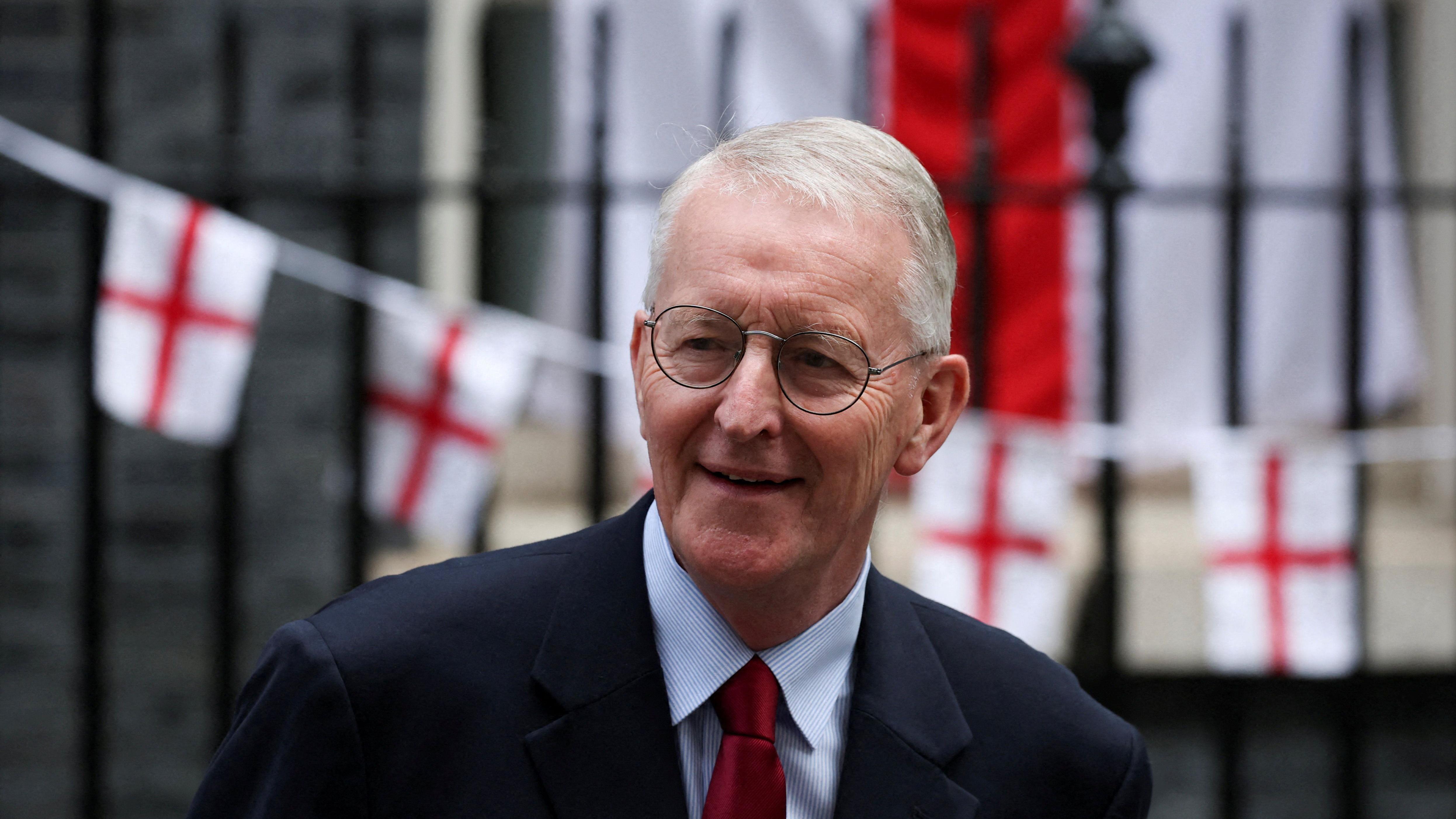
The UK government's position on reform is crucial. Secretary of State Hilary Benn has indicated that he is open to discussions about institutional reform but has stopped short of endorsing any specific proposals. His reluctance to intervene directly reflects the sensitivity of the issue and the risk that any perceived favouritism towards one side's position could destabilise the institutions further.
Local Impact
The practical consequences of Stormont's dysfunction are felt most acutely by the people who depend on the public services that the Executive is responsible for delivering. Waiting lists for NHS treatment in Northern Ireland are among the longest in the United Kingdom, and the absence of a functioning budget has made it impossible for the Health Minister to implement the reforms that are needed to address them. Schools across Northern Ireland are facing a funding crisis, with many unable to maintain their buildings or retain experienced teachers. The reform debate, however important in constitutional terms, can seem remote from these immediate, practical concerns.
In communities across Belfast, Derry, Newry, and the other towns and cities of Northern Ireland, the political deadlock at Stormont is a source of deep frustration. Residents who voted for parties that promised to make the institutions work are increasingly questioning whether the power-sharing model is capable of delivering the effective government that Northern Ireland needs. The reform debate is, at its core, a debate about whether the institutions can be made to work better — and the answer to that question will shape Northern Ireland's political future for decades to come.
What's Next
The Assembly is expected to debate the reform proposals formally in the autumn session, with a vote on Sinn Féin's "Building Better Politics" document likely before the end of the year. The UK government has indicated that it will publish its own assessment of the case for institutional reform before the end of 2026, which is expected to inform any future negotiations between the parties. The Secretary of State has also indicated that he is prepared to convene a multi-party talks process if the parties are unable to reach agreement on reform through the normal Assembly mechanisms.