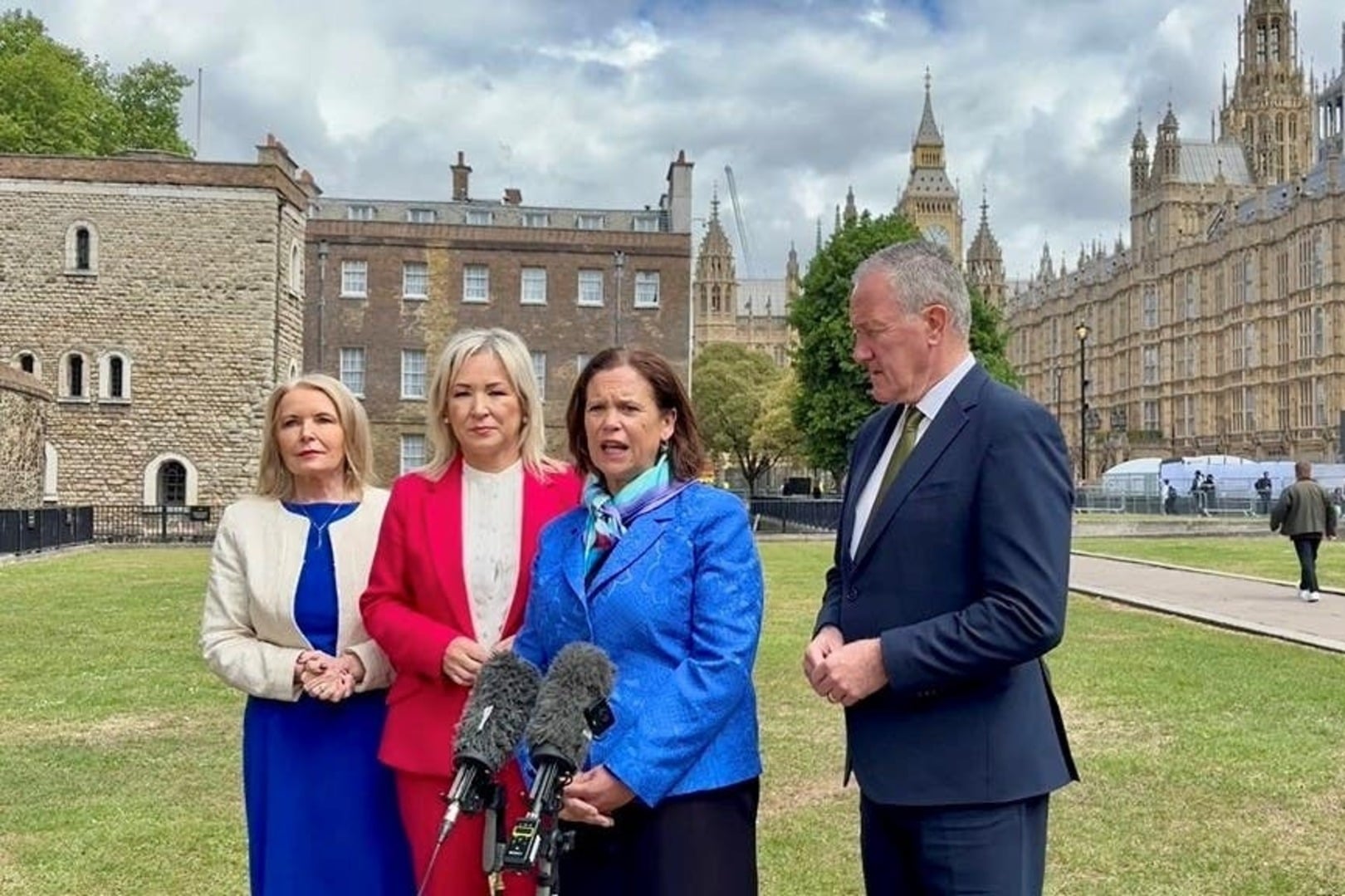
NI Political Leaders Divided as Westminster Leadership Crisis Deepens Following Starmer Resignation
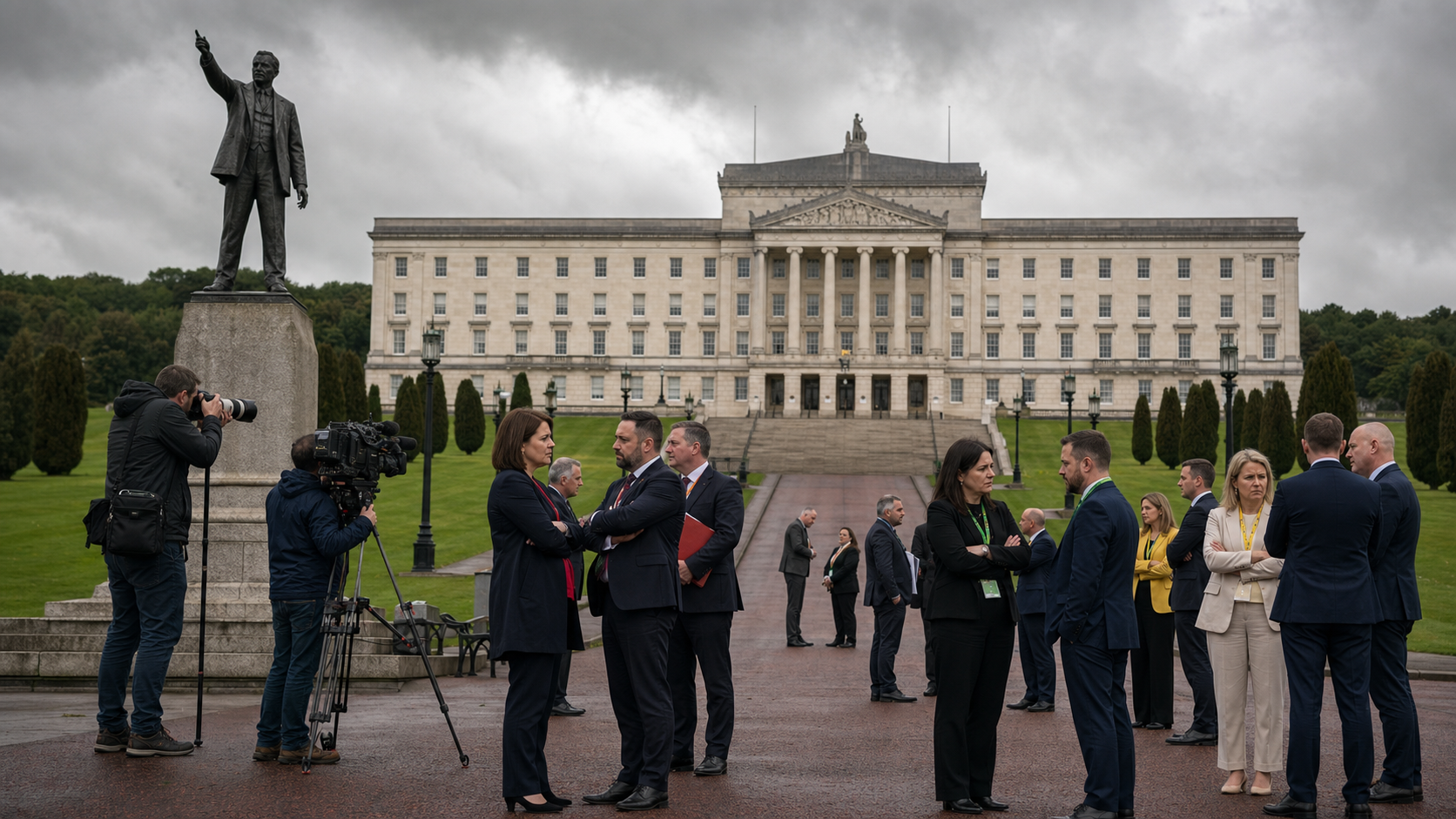
The resignation of UK Prime Minister Sir Keir Starmer has sent fresh shockwaves through Northern Ireland's already fractious political landscape, with the province's party leaders offering starkly divergent responses that reflect the fundamental disagreements about Northern Ireland's constitutional future that continue to define its politics — and with First Minister Michelle O'Neill using the moment to argue that Westminster's instability makes the case for Irish unity more compelling than ever.
Background
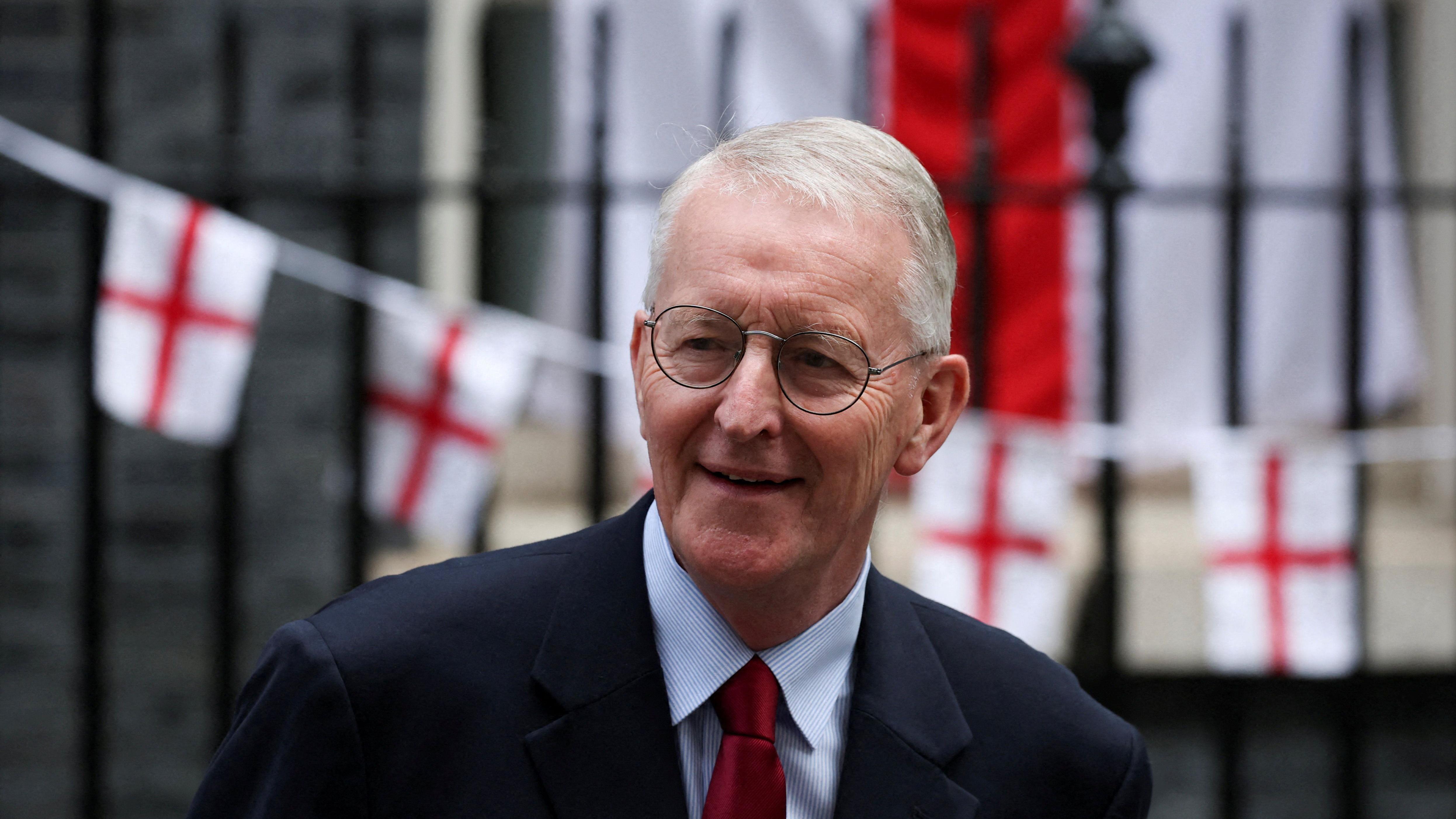
Keir Starmer's resignation as UK Prime Minister, which came in June 2026 after a period of sustained political pressure, has triggered a leadership contest within the Labour Party that is being watched with considerable interest in Northern Ireland. Starmer's tenure was marked by a complex relationship with the province: his government inherited the Windsor Framework negotiations from its Conservative predecessor and sought to stabilise the post-Brexit trading arrangements for Northern Ireland, but faced persistent criticism from both unionist and nationalist quarters for its handling of the province's unique constitutional position.
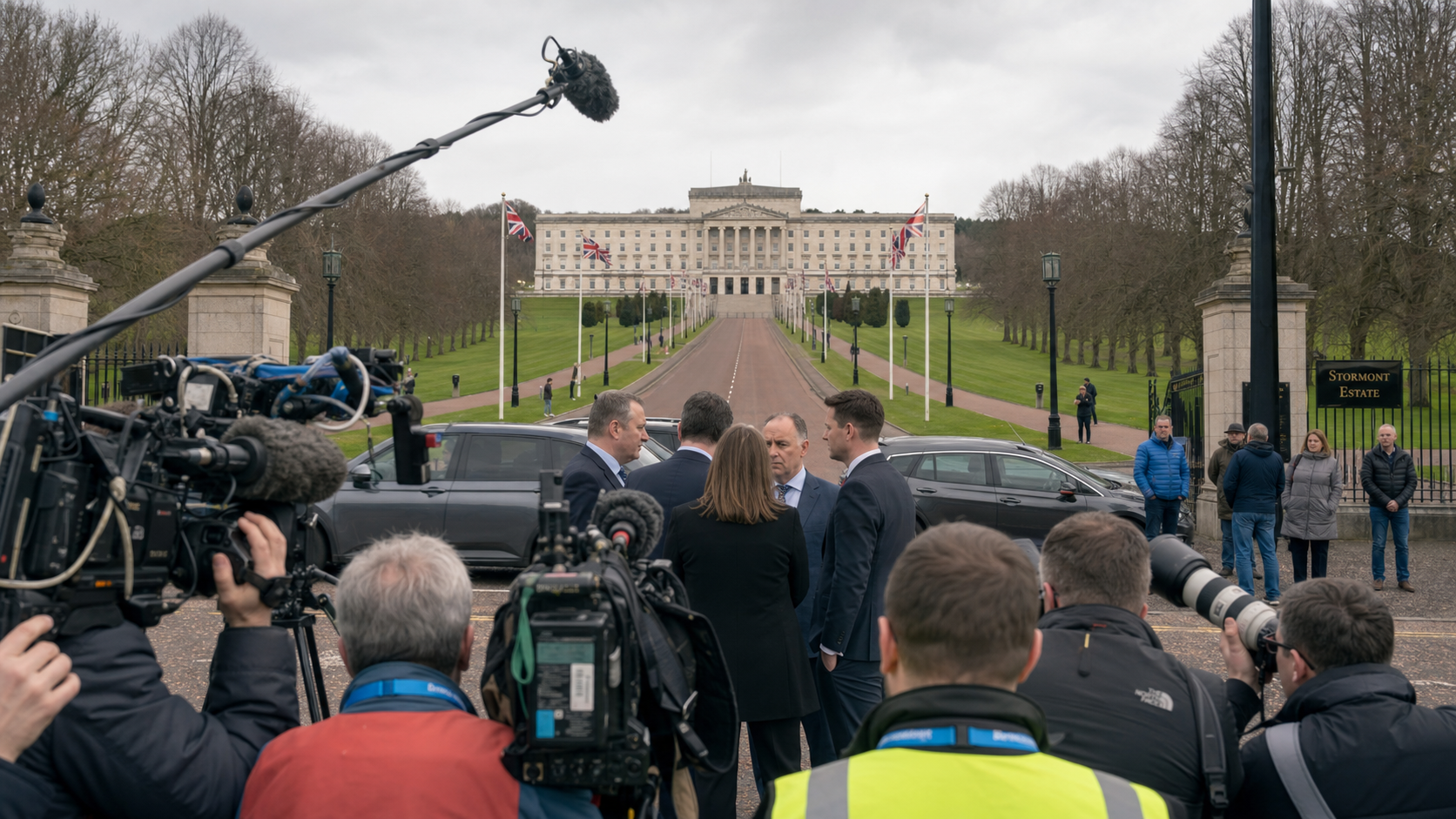
For Northern Ireland's political parties, the identity and priorities of the next UK Prime Minister are matters of direct and immediate concern. The Secretary of State for Northern Ireland, the block grant settlement, the approach to the Windsor Framework, and the broader constitutional framework within which Northern Ireland operates are all determined at Westminster, and a change in leadership at Downing Street has the potential to alter the political environment in which Stormont operates in significant ways.
The reactions of Northern Ireland's party leaders to Starmer's resignation have been revealing, both in their content and in the speed with which they were delivered. Each party has used the moment to advance its own political narrative, with the result that the Westminster leadership crisis has become, in Northern Ireland, another front in the ongoing battle over the province's constitutional future.
Key Developments
First Minister Michelle O'Neill of Sinn Féin was among the first to respond to Starmer's resignation, framing the event in explicitly constitutional terms. She described the situation as "further evidence of the chaos that is Westminster politics" and argued that it highlighted the need to "break our links with Britain." O'Neill's response was consistent with Sinn Féin's long-standing position that Northern Ireland's interests are best served by Irish unity rather than by continued membership of the United Kingdom, and she used the moment to call for a renewed focus on planning for a border poll.
DUP leader Gavin Robinson took a very different view, criticising Starmer's record on the Windsor Framework and calling on the next Prime Minister to prioritise strengthening the United Kingdom and its funding arrangements for Northern Ireland. Robinson argued that the leadership transition provides an opportunity to reset the relationship between Westminster and Stormont on terms that are more favourable to unionist interests, and he called on all candidates for the Labour leadership to commit to a more robust defence of Northern Ireland's place within the union.
Alliance Party leader Naomi Long expressed a desire for "democratic renewal" and stability, arguing that the leadership crisis reflects a broader dysfunction in Westminster politics that has negative consequences for Northern Ireland regardless of one's constitutional preferences. The SDLP's former leader Colum Eastwood tipped potential successor Andy Burnham as likely to be a "vast improvement" on Starmer, citing Burnham's Irish connections and his reputation as a pragmatic, community-focused politician.
Why It Matters
The Westminster leadership crisis arrives at a particularly sensitive moment for Northern Ireland. The Stormont Executive is struggling to agree on a budget, the PSNI is facing a capacity crisis, and the political fallout from the Jeffrey Donaldson conviction continues to destabilise the DUP. Against this backdrop, uncertainty about the identity and priorities of the next UK Prime Minister adds a further layer of complexity to an already difficult political environment.
The divergent reactions of Northern Ireland's party leaders to Starmer's resignation illustrate the extent to which the province's politics remain defined by the constitutional question. For Sinn Féin, every manifestation of Westminster dysfunction is an argument for Irish unity; for the DUP, every change at Westminster is an opportunity to press for a stronger commitment to the union. For the Alliance Party and the SDLP, the challenge is to articulate a position that acknowledges the significance of the Westminster leadership change without being drawn into the binary constitutional debate that dominates so much of Northern Irish political discourse.
The outcome of the Labour leadership contest will have direct implications for Northern Ireland. The new Prime Minister will inherit responsibility for the Windsor Framework, the block grant settlement, and the broader relationship between Westminster and Stormont — all of which are matters of fundamental importance to the province's political and economic future. The candidates' positions on these issues will be scrutinised carefully by Northern Ireland's political parties and by the business community, which has a direct interest in the stability and predictability of the political environment.
Local Impact
The Westminster leadership crisis is being felt in Northern Ireland primarily through the uncertainty it creates about the future direction of UK policy on the issues that matter most to the province. In the business community, the prospect of a change in Prime Minister has prompted questions about the future of the Windsor Framework and the trading arrangements that have been a source of both opportunity and controversy for Northern Ireland since Brexit. In the political community, the leadership contest is being watched as a potential opportunity to reset relationships with Westminster that have been strained under Starmer's tenure.
For ordinary citizens in Belfast, Derry, Newry, and the other towns and cities of Northern Ireland, the Westminster leadership crisis is a reminder of the extent to which the province's fate is shaped by decisions made in London. The sense of political distance from Westminster — the feeling that Northern Ireland's concerns are not fully understood or adequately represented in the corridors of power in London — is a persistent feature of political life in the province, and the current leadership crisis has done little to dispel it.
What's Next
The Labour leadership contest is expected to conclude in the autumn of 2026, with the new Prime Minister taking office before the end of the year. Northern Ireland's political parties have indicated that they will seek early meetings with the new Prime Minister to press their respective priorities, and the Secretary of State for Northern Ireland is expected to play a key role in facilitating those conversations. The Stormont Executive has indicated that it will continue to pursue its own agenda regardless of the outcome of the Westminster leadership contest, though the reality is that many of the most important decisions affecting Northern Ireland's future will be made in London rather than Belfast.