Stormont Divides £27m Local Growth Fund as Voluntary Sector Counts Cost of Revenue Shortfall
Stormont ministers have confirmed the allocation of £27.4 million in capital funding from the UK government's £39 million Local Growth Fund for the 2026-27 financial year, with the Department for the Economy receiving the largest share of £13.3 million for innovation, business start-ups, and social enterprise development — but Finance Minister John O'Dowd has warned that the fund's structure is "far from ideal" and the voluntary sector has raised the alarm over redundancies caused by the collapse in revenue funding.
Background
The Local Growth Fund represents the UK government's replacement for European Union structural funds that flowed into Northern Ireland prior to Brexit. For decades, EU funding provided a significant stream of both capital and revenue support for economic development, community infrastructure, and the voluntary and community sector across the six counties. The replacement mechanism — negotiated as part of the post-Brexit funding settlement — has been a source of persistent tension between Stormont and Westminster, with the Executive arguing that the total quantum of funding is insufficient and that the conditions attached to it are too restrictive.
The £39 million package for 2026-27 is divided between approximately £12 million in revenue (day-to-day) funding and £27.4 million in capital funding. The 70/30 capital-to-revenue split has been a particular source of frustration for the Executive, which had argued for a more balanced allocation that would allow it to fund the staff and services that the voluntary and community sector depends upon. The EU funding that preceded the LGF was more evenly balanced between capital and revenue, and the shift has had direct consequences for organisations that previously relied on EU money to pay for frontline workers.
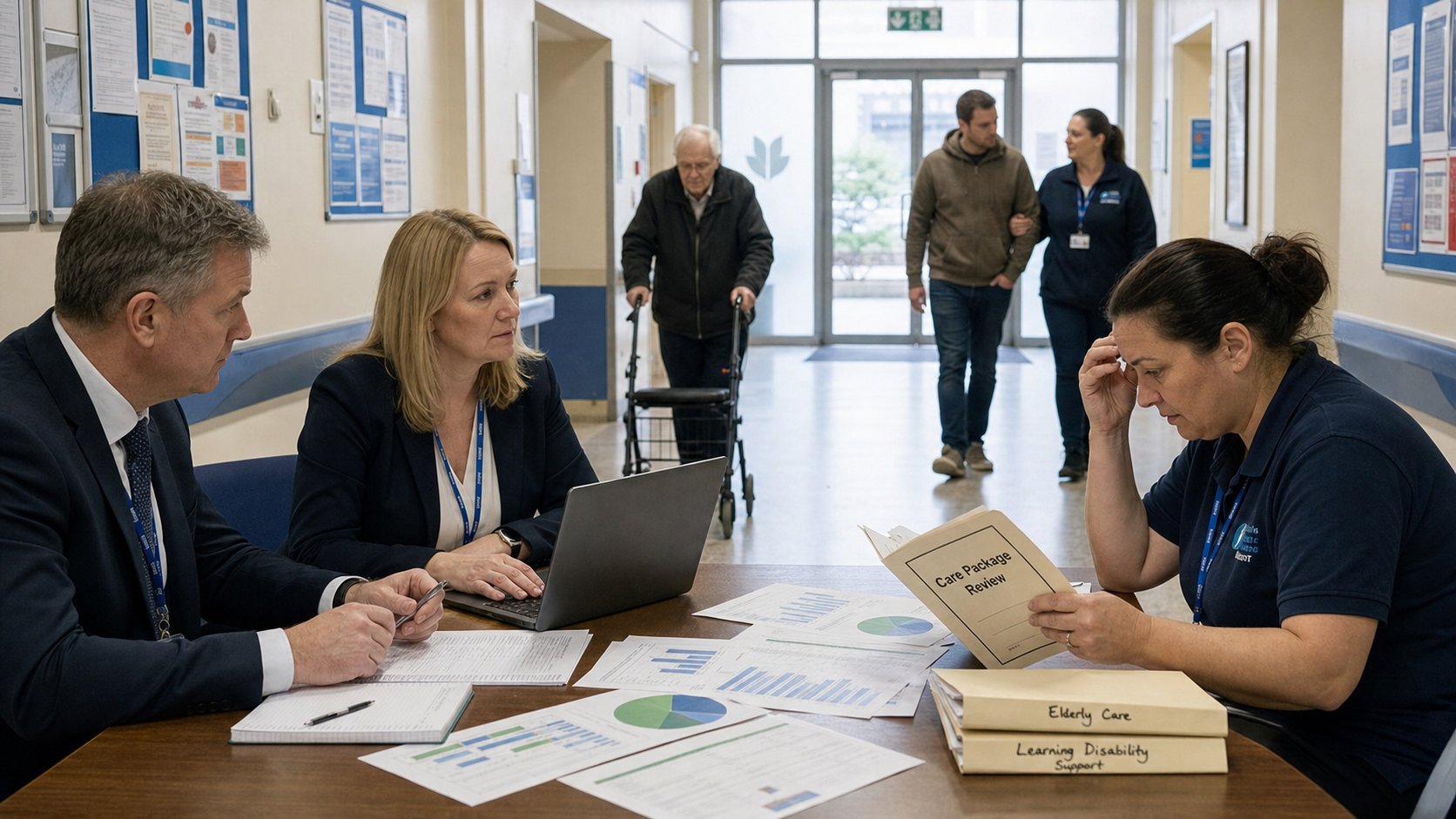
The Northern Ireland Council for Voluntary Action has been among the most vocal critics of the new arrangement, documenting cases of organisations that have been forced to make staff redundant because the capital-heavy LGF cannot be used to pay salaries. The impact has been felt most acutely in areas of social deprivation, where voluntary organisations provide services — from addiction support to youth work to community development — that statutory agencies do not cover.
Key Developments
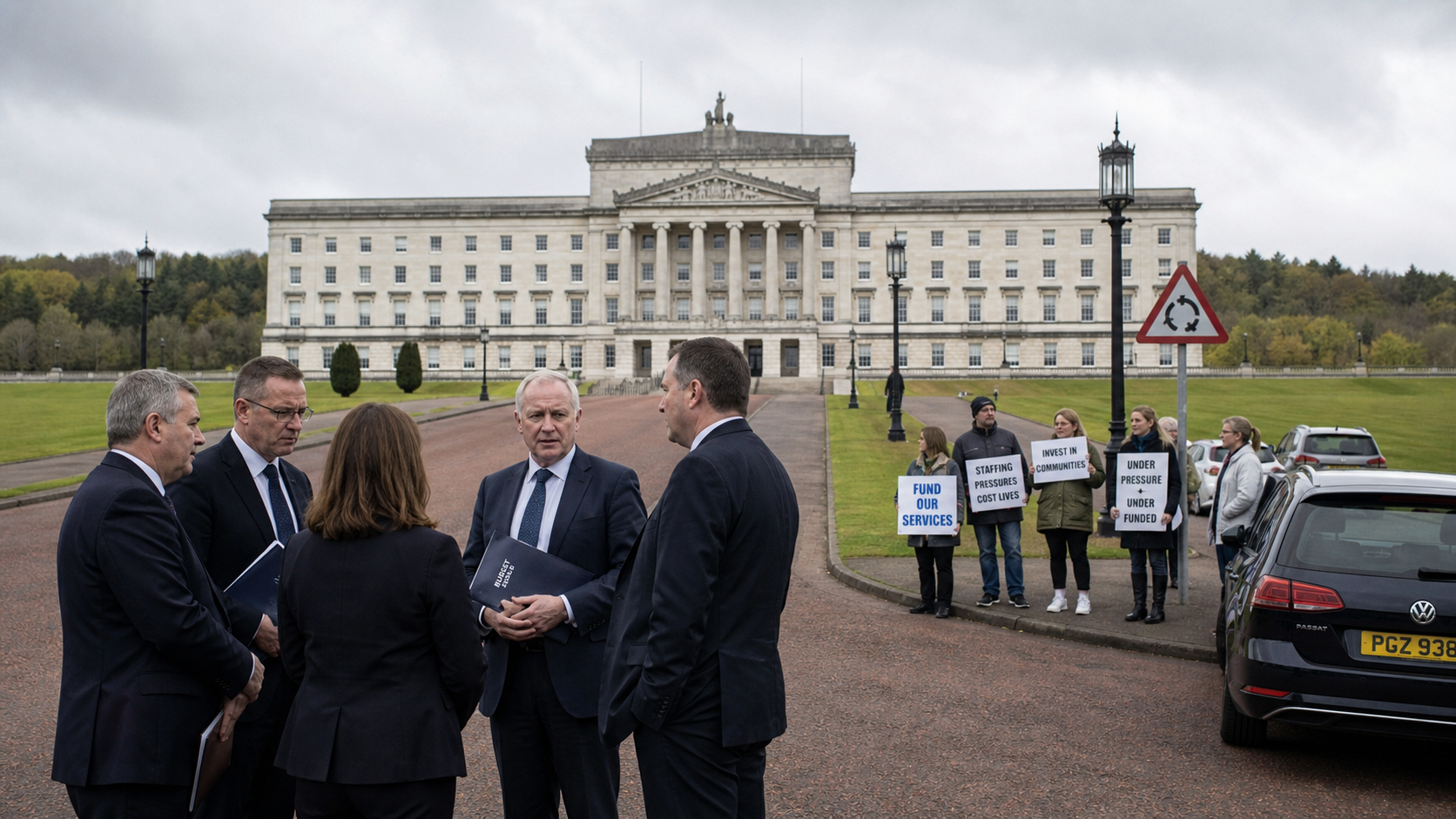
Finance Minister John O'Dowd confirmed the capital allocations for 2026-27 at a Stormont briefing on 11 August 2026. The Department for the Economy received £13.292 million, earmarked for innovation programmes, business start-up support, social enterprise development, and early-stage design work for the Mandeville industrial estate in Craigavon. The Department for Communities received £7.068 million for town centre renewal, vacant property regeneration, and employment and skills access. The Department of Agriculture, Environment and Rural Affairs received £3.82 million for agricultural innovation and productivity, while the Department for Infrastructure received £3.249 million for transport and connectivity improvements.
O'Dowd was candid about his frustration with the fund's structure. "The capital-heavy profile imposed by the British government is far from ideal," he said. "We have been clear that funding priorities for Northern Ireland should be determined here, not in Westminster, and we will continue to make that case as we engage on the design of the fund for 2027-28 and beyond."
Assembly members from across the political spectrum have echoed those concerns, with SDLP and Alliance members particularly vocal about the impact on the community and voluntary sector. The Executive has begun a co-design process with stakeholders to shape the delivery of the LGF for future years, but critics argue that the process is moving too slowly to prevent further damage to the sector.
Why It Matters
The Local Growth Fund debate is, at its core, a debate about what kind of economic development Northern Ireland wants to pursue and who gets to decide. The capital-heavy structure of the current fund favours physical infrastructure — buildings, roads, industrial estates — over the human infrastructure of trained workers and community services. That is a legitimate policy choice, but it is one that has been imposed by Westminster rather than chosen by Stormont, and the Executive's frustration with that imposition is understandable. The voluntary sector's warning about redundancies is not abstract: real organisations are losing real staff, and the communities they serve are losing real services.
The broader context is one of persistent underfunding of public services in Northern Ireland relative to need. The Stormont Executive has faced a structural budget deficit for years, and the LGF, while welcome, does not come close to filling the gap left by the end of EU structural funding. The co-design process for future years offers some hope that the fund's structure can be made more responsive to Northern Ireland's specific needs, but that process will take time, and the damage being done in the interim is real.
Local Impact
The impact of the LGF allocations will be felt differently across Northern Ireland's regions. The Mandeville industrial estate investment in Craigavon will benefit the greater Armagh and Banbridge area, while the town centre renewal funding under the Department for Communities will be distributed across a range of urban centres, including Derry/Londonderry, Newry, Ballymena, and Enniskillen. The transport and connectivity funding under the Department for Infrastructure is expected to support improvements to rural road networks and public transport links in areas that have historically been underserved. For the voluntary sector, the immediate priority is securing the revenue funding needed to retain staff, and organisations across Belfast, Derry, and the wider province are watching the co-design process closely for any indication that the capital-revenue balance will be adjusted in future years.
What's Next
The co-design process for the 2027-28 and 2028-29 LGF allocations is expected to conclude by the end of 2026, with the Executive aiming to have greater input into the fund's structure for future years. Finance Minister O'Dowd has indicated that he will continue to press the UK government for a more balanced capital-to-revenue split, and NICVA has called for a formal review of the fund's impact on the voluntary sector to be completed before the next allocation cycle begins. The Stormont Finance Committee is expected to hold a dedicated session on the LGF in September 2026.