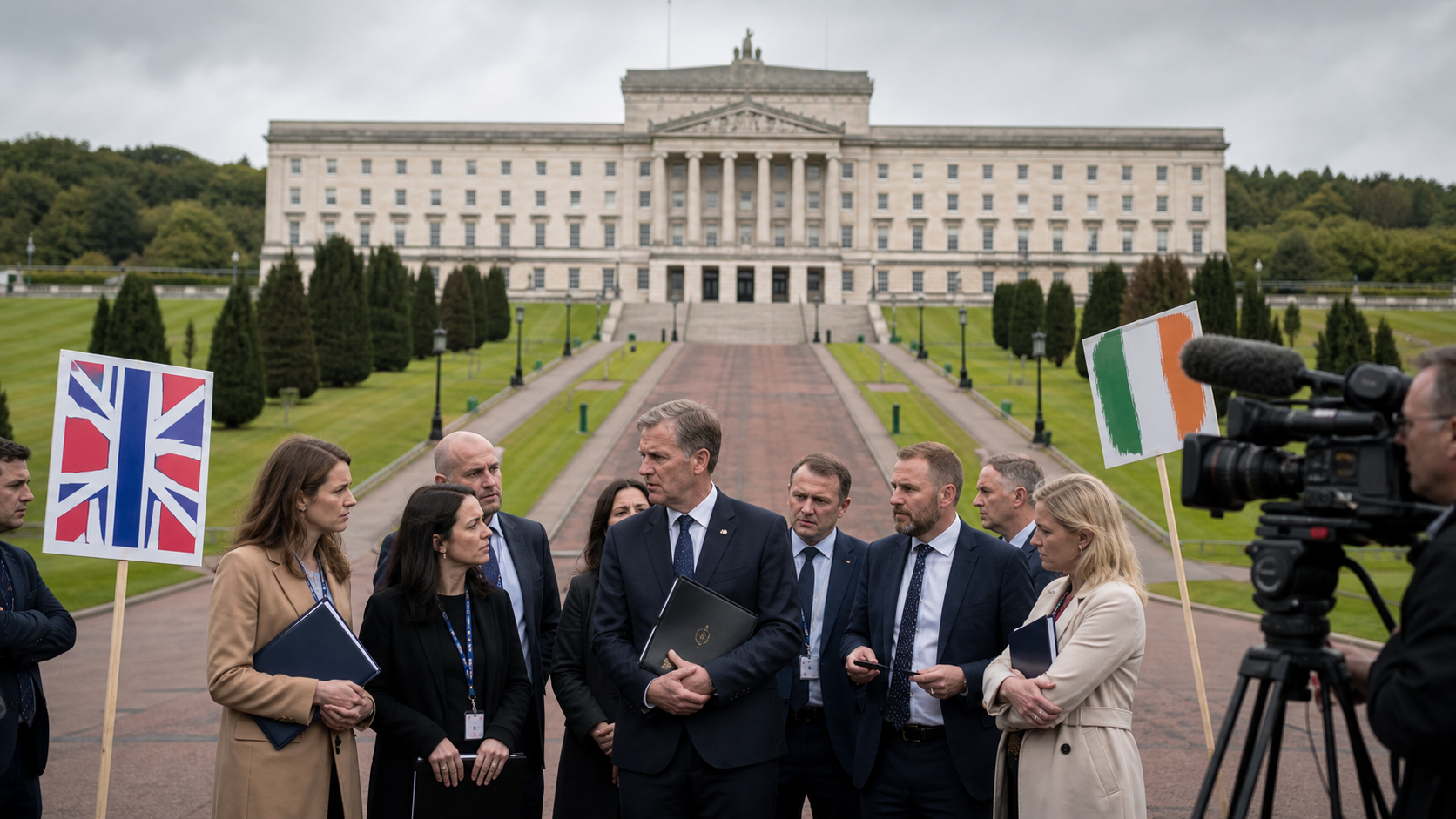
Stormont Executive Demands Urgent Meeting with PM Burnham Over NI Funding Crisis
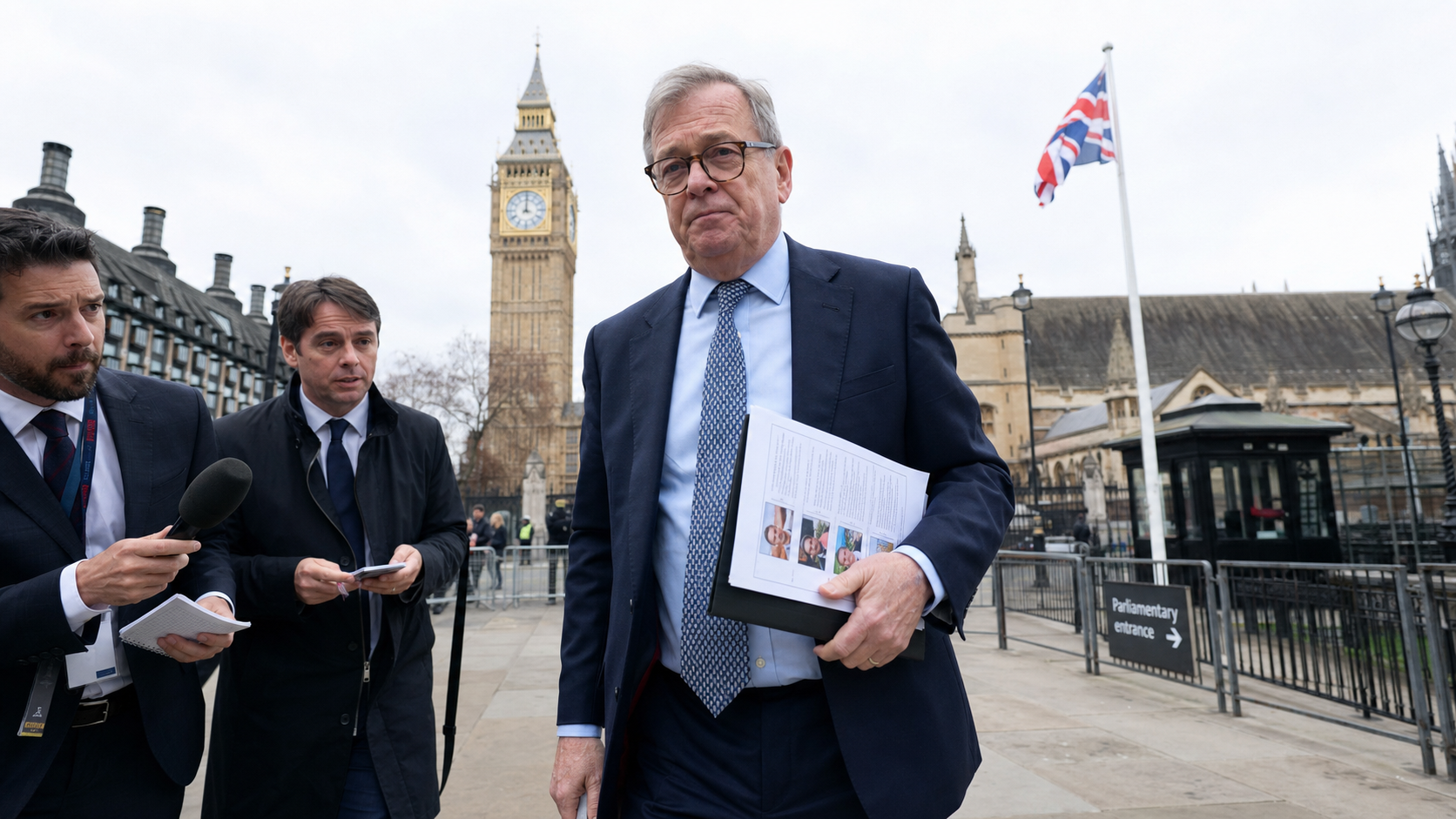
The four-party Northern Ireland Executive has issued a joint letter to Prime Minister Andy Burnham demanding an urgent meeting to address what ministers describe as a chronic and worsening funding crisis, warning that the absence of an agreed budget for 2026-27 is placing public services under intolerable strain and that the current UK government settlement falls far short of what Northern Ireland requires to function effectively.
Background
Northern Ireland's public finances have been in a state of managed crisis for several years, a situation that has worsened significantly since the restoration of the Stormont Executive in February 2024. The Executive has consistently argued that the Barnett formula — the mechanism by which Northern Ireland's block grant from Westminster is calculated — systematically underfunds the region relative to its needs, particularly given the legacy costs of the Troubles, the higher proportion of the population with complex health and social care needs, and the structural challenges of a divided society.
The situation reached a new level of urgency in April 2026, when the Executive failed to agree a budget for the 2026-27 financial year, leaving all departments to operate on contingency arrangements. Finance Minister John O'Dowd has repeatedly stated that an agreed budget is impossible without a prior funding settlement from Westminster, arguing that the current block grant does not provide sufficient resources to meet even the most basic statutory obligations.
The joint letter to Burnham — signed by First Minister Michelle O'Neill, Deputy First Minister Emma Little-Pengelly, and all other Executive ministers — represents an escalation of the pressure campaign, coming just weeks after Burnham took office following the Labour leadership election in July 2026.
Key Developments
The Executive's letter cited analysis from the independent Fiscal Council and the work of Professor Gerald Holtham, which suggests that Northern Ireland is not funded on a basis comparable to Scotland or Wales. Ministers estimated that achieving funding parity with Wales would provide an additional £1 billion annually, while parity with Scotland would yield approximately £3 billion — figures that the Executive argues represent the scale of the structural underfunding.
Specific concerns raised in the letter included the Local Growth Fund, which ministers argued has a capital-heavy profile that does not align with Northern Ireland's needs, and the status of the Troubles Victims' Payments scheme, which continues to place significant demands on the Executive's budget without adequate Westminster support.
The UK government responded by noting that it had provided Northern Ireland with its largest real-terms settlement since devolution, averaging £19.3 billion per year over three years, supplemented by nearly £390 million in additional funding. A spokesperson expressed concern about the absence of an agreed budget and called on the Executive to present a clear plan for fiscal sustainability.
Why It Matters
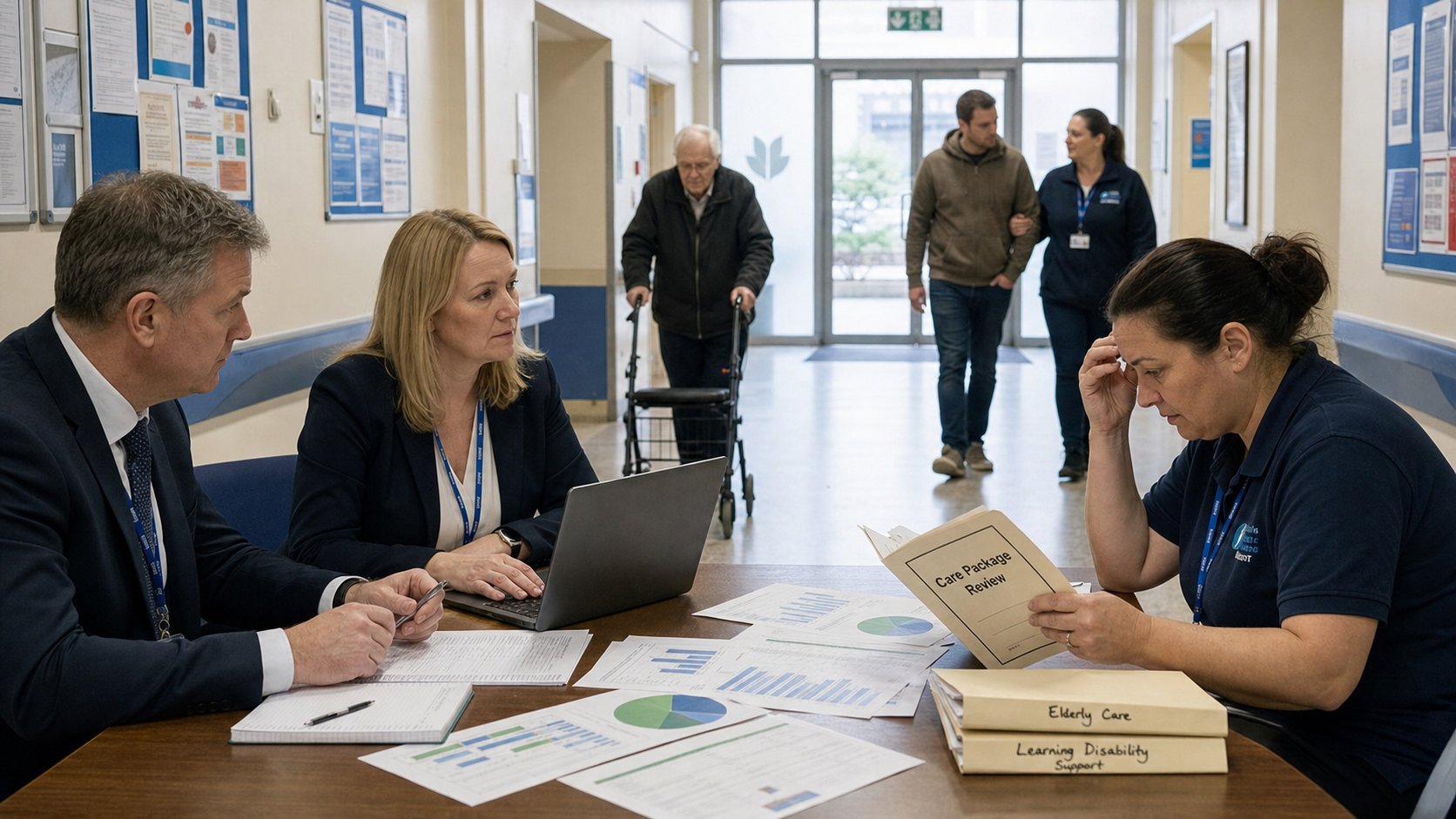
The funding dispute is not an abstract political argument — it has direct and immediate consequences for the people of Northern Ireland. Health waiting lists that are already the longest in the United Kingdom, schools operating with deteriorating infrastructure, roads in need of urgent repair, and social care services stretched beyond capacity are all symptoms of a funding settlement that the Executive argues is inadequate. The failure to agree a budget means that departments cannot plan beyond the immediate term, making it impossible to implement the long-term reforms that would improve services and reduce costs.
The political dynamics are also significant. The joint letter — signed by ministers from Sinn Féin, the DUP, Alliance, and the SDLP — represents a rare moment of cross-community unity at Stormont, suggesting that the funding crisis has become sufficiently acute to override the usual divisions. Whether that unity can be sustained, and whether it will be sufficient to move Burnham to action, remains to be seen.
Local Impact
The consequences of the funding crisis are felt most acutely in the delivery of public services. In Belfast, the Royal Victoria Hospital and the Belfast City Hospital are operating under severe pressure, with emergency department waiting times consistently among the worst in the UK. In Derry, the Altnagelvin Area Hospital faces similar challenges. Across Northern Ireland, schools are reporting that they cannot afford basic maintenance, let alone the investment in digital infrastructure and special educational needs support that pupils require. The contingency budget arrangements mean that capital projects — new schools, road improvements, social housing — are effectively frozen.
What's Next
Prime Minister Burnham had not visited Northern Ireland as of mid-August 2026, though he was expected to embark on a UK-wide tour in the coming weeks. The Executive's letter will increase pressure on him to make Belfast an early stop. A response from Downing Street is expected within days, though whether it will include a commitment to the urgent meeting demanded by ministers remains unclear. The Stormont Assembly is scheduled to return from its summer recess in September, at which point the budget crisis will return to the top of the political agenda.