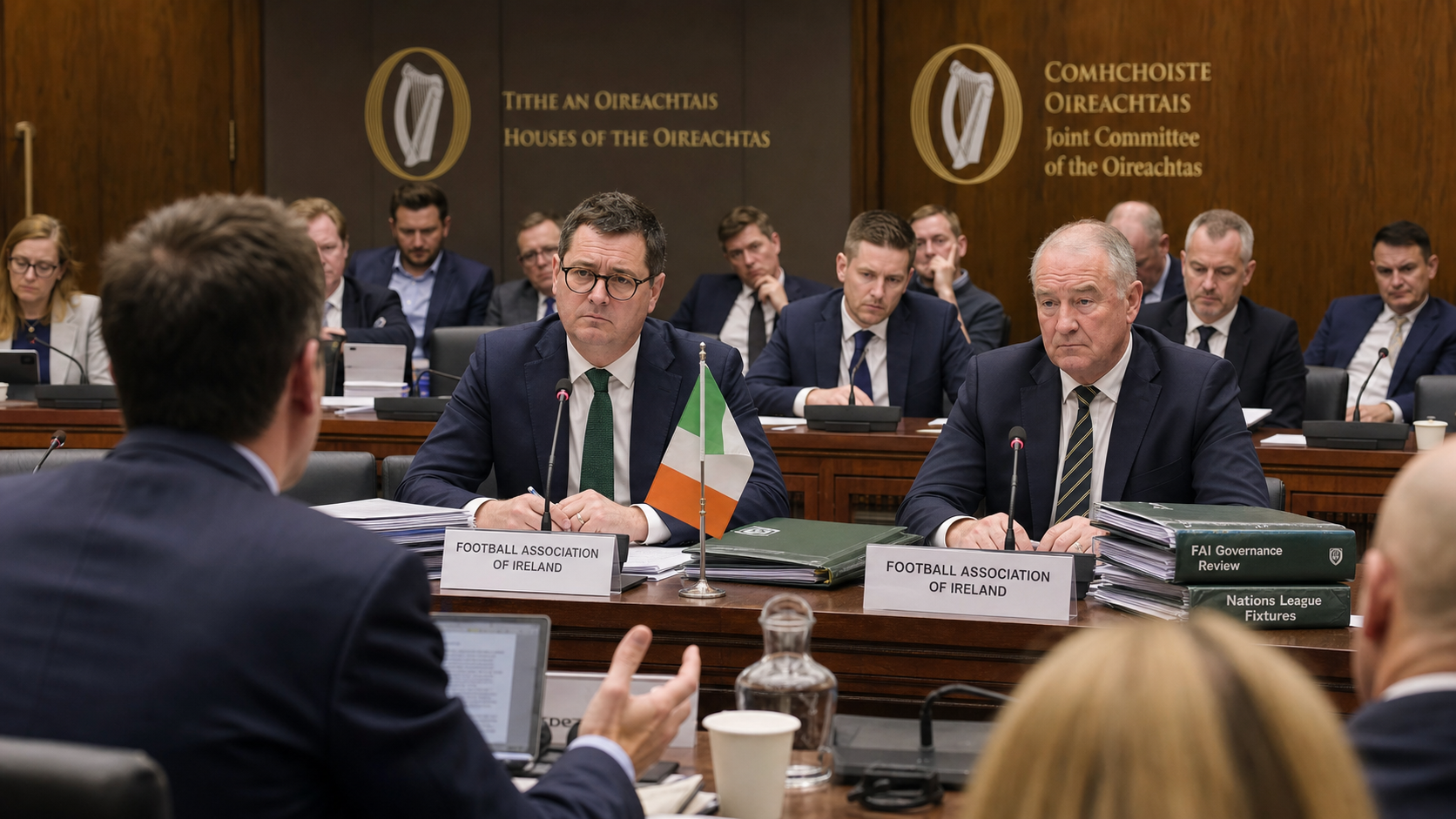
Stormont Launches Cross-Departmental Review of Trial of the Facts as Assembly Demands Reform
The Stormont Executive's Departments of Justice and Health have announced a joint review of the legal framework governing 'trials of the facts' following sustained cross-party pressure in the Assembly for reform of a procedure that critics say fails victims and the public. UUP leader Jon Burrows, who has been the most vocal advocate for change since the Eleanor Donaldson case, welcomed the review but warned that it must produce concrete legislative action rather than becoming another exercise in deferral.
Background
The 'trial of the facts' procedure, governed by Article 49A of the Mental Health (Northern Ireland) Order 1986, allows a jury to determine whether an accused person committed alleged acts when that person has been found unfit to stand a conventional criminal trial on mental health grounds. The procedure does not result in a criminal conviction, and the court's sentencing powers are significantly curtailed — the available disposals include commitment to a secure hospital, a guardianship order, a supervision and treatment order, or an absolute discharge.
The procedure came under intense scrutiny following the Eleanor Donaldson case, in which a jury found that Donaldson had committed acts of aiding and abetting her husband Jeffrey Donaldson's child sex abuse offences. Because she was deemed unfit to stand trial on mental health grounds, the case proceeded as a trial of the facts, resulting in a finding of acts committed but no criminal conviction and no prison sentence. The outcome provoked widespread public anger and prompted calls from across the political spectrum for a review of the framework.
Jon Burrows, who became UUP leader following the party's strong performance in the 2025 Assembly election, has made justice reform one of his signature issues. He argued that the Donaldson case exposed a fundamental flaw in the legal framework — one that prioritises the procedural rights of the accused over the interests of victims and the protection of the public.
Key Developments
The joint review was announced on 17 September 2026 by Justice Minister Naomi Long and Health Minister Robbie Butler, who confirmed that an independent external reviewer would be appointed to lead the process. The review is scheduled to begin in late October 2026 and report by the end of February 2027. Its terms of reference will cover the balance between victim needs, public protection, and the health challenges of accused persons, as well as the adequacy of the disposals available to courts under the current framework.
Burrows welcomed the announcement but said the UUP would be watching closely to ensure the review produced "real recommendations that are actually implemented, not a report that sits on a shelf." He called on the departments to ensure that victim voices were central to the review process and that the final report included specific legislative proposals rather than general principles.
Alliance Party justice spokesperson Paula Bradshaw said the review was "long overdue" and called for it to be completed as quickly as possible, noting that the current framework left a significant gap in the justice system's ability to respond to serious offences committed by individuals with mental health conditions. Sinn Féin's justice spokesperson said the party supported the review but emphasised that any reforms must be balanced and must not undermine the rights of individuals with mental health conditions to fair treatment under the law.
Why It Matters
The political significance of this review extends beyond the specific legal procedure under examination. It represents a test of the Stormont Executive's capacity to respond to public concern with meaningful action rather than procedural delay. Northern Ireland's justice system has been the subject of sustained criticism in recent years — over the handling of legacy cases, the pace of reform within the PSNI, and the treatment of victims in high-profile cases. A credible, independent review that produces clear legislative recommendations — and is followed by actual legislation — would be a meaningful signal that the Executive can deliver on justice reform. The risk, as with many such reviews, is that the process becomes an end in itself, providing political cover without producing change. Burrows's warning about reports sitting on shelves is a pointed reference to a pattern that has frustrated victims and advocates across multiple policy areas in Northern Ireland.
Local Impact
The review has been welcomed by victims' organisations across Northern Ireland, including those based in Belfast, Derry, Newry, and Armagh. The Northern Ireland Survivor Council has called for dedicated consultation sessions to be held in communities across the six counties, arguing that the review must hear directly from people who have been affected by the trial of the facts procedure and its limitations. Legal practitioners at the Bar of Northern Ireland have indicated they will engage actively with the consultation process, and the Law Society of Northern Ireland has said it will make a formal submission once the terms of reference are published.
What's Next
The appointment of the independent reviewer is expected to be confirmed by mid-October 2026, with the review formally commencing in late October. A public consultation process is anticipated, with details to be published on the Department of Justice website. The final report is due by the end of February 2027, after which the departments will consider the recommendations and bring forward any necessary legislative proposals to the Assembly. The Assembly's Justice Committee is expected to hold its own hearings on the review's findings once the report is published.