Stormont Budget Talks Show Progress as Health Trust Chairs Demand Emergency Funding
Negotiations between Northern Ireland's party leaders, the Secretary of State for Northern Ireland, and the Chief Secretary to the Treasury have shown tentative signs of progress in resolving Stormont's acute budget crisis, according to sources close to the talks — but the negotiations are proceeding against a backdrop of extraordinary pressure, with the chairs of all five Health and Social Care Trusts having issued a public warning of 'avoidable and serious harm' to patients, and the PSNI confirming that its operational capacity remains significantly constrained by budget cuts.
Background
Northern Ireland's budget crisis has been building for several years, the product of a combination of factors including the legacy of years of underfunding relative to need, the costs associated with the restoration of the Stormont Executive following the DUP's withdrawal over the Northern Ireland Protocol, and the broader pressures on UK public finances that have constrained the block grant available to the devolved administration. The situation has been further complicated by the political dynamics at Stormont, where the requirement for cross-community consensus on major decisions has sometimes made it difficult to agree on the difficult choices required to bring expenditure into line with available resources.
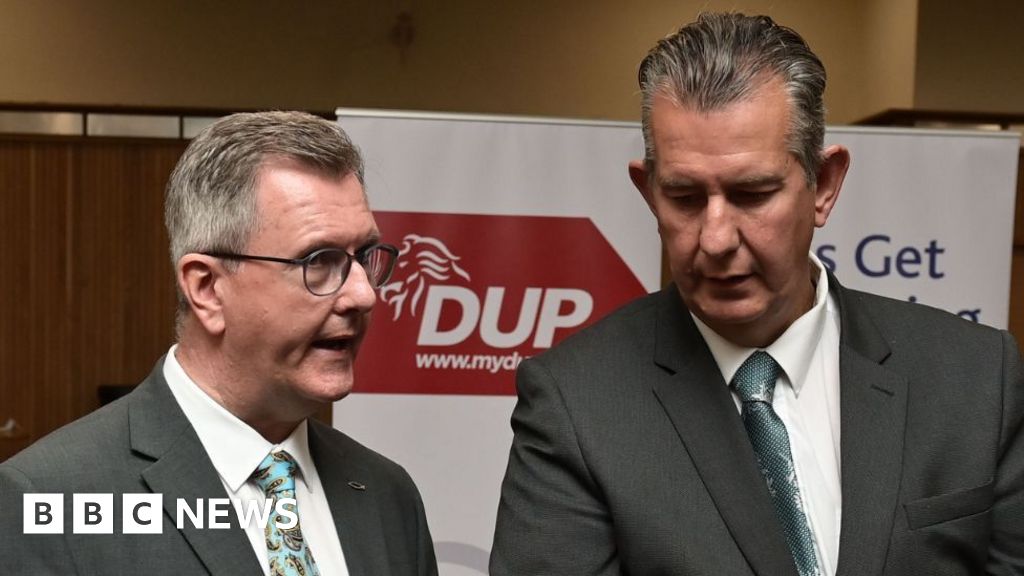
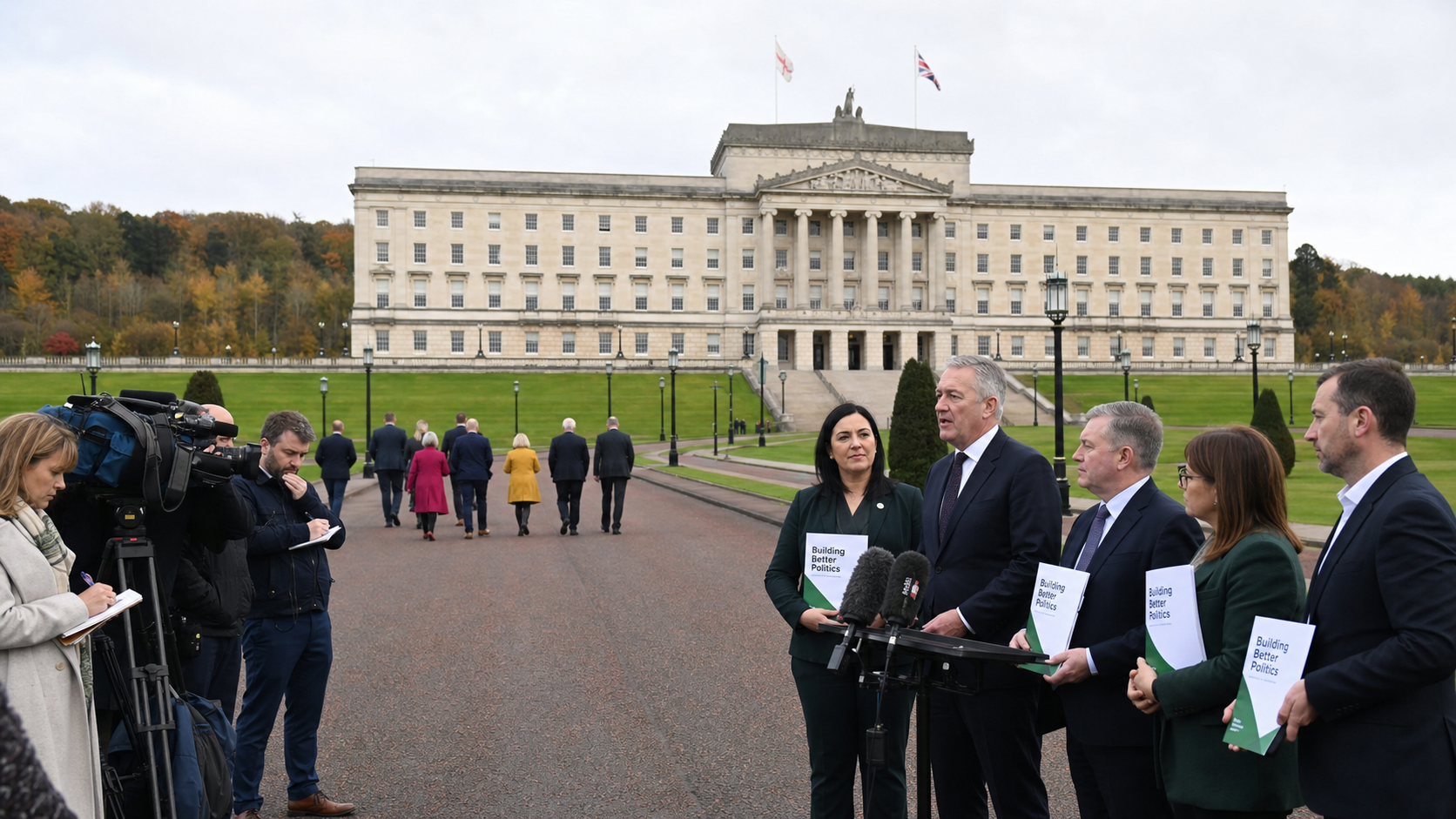
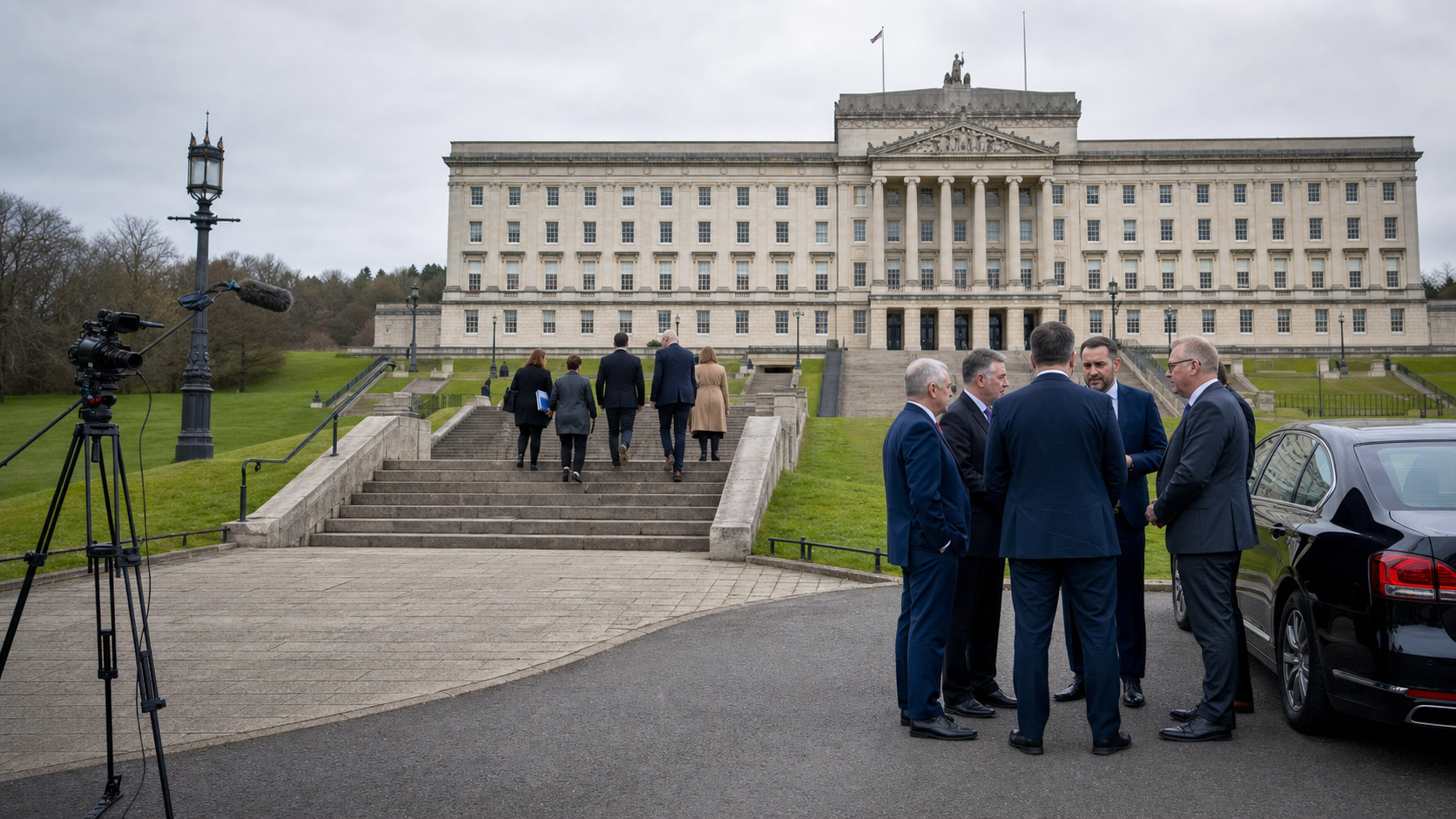
The current round of talks, which have been described informally as 'castle talks' due to their location at Stormont Castle, involves the leaders of the five main parties in the Northern Ireland Executive — the DUP, Sinn Féin, the Alliance Party, the SDLP, and the Ulster Unionist Party — along with the Secretary of State for Northern Ireland and the Chief Secretary to the Treasury. The involvement of senior UK Treasury officials reflects the recognition that a sustainable financial settlement for Stormont will require additional funding from Westminster, not just a reallocation of existing resources.
The talks have been conducted against a backdrop of mounting public pressure, with a range of public service providers — from health trusts to schools to local councils — warning that they cannot continue to deliver services at current levels without additional funding. The health service has been the most vocal, given the direct and immediate impact of budget cuts on patient care, but the pressures are felt across the full range of public services that Stormont is responsible for delivering.
Key Developments
Sources close to the talks have indicated that progress has been made on a number of key issues, including the quantum of additional funding that Westminster might be prepared to provide and the conditions that would attach to any such funding. However, significant gaps remain, and no agreement has yet been reached. The talks are expected to continue through the coming week, with pressure mounting on all parties to reach a resolution before the summer recess.
The joint statement from the Health Trust chairs, issued on 2 July, has added urgency to the negotiations. The chairs — representing the Belfast, South Eastern, Southern, Western, and Northern Trusts — warned in unambiguous terms that the current funding situation risks causing 'avoidable and serious harm' to patients, citing the potential for bed closures, reductions in outpatient care, and cuts to home nursing packages. The statement was described by Health Minister Mike Nesbitt as a 'wake-up call' that should concentrate minds at the negotiating table.
The PSNI's confirmation that its operational capacity remains constrained by budget cuts has added a further dimension to the crisis. Chief Constable Jon Boutcher has previously warned that the force is operating below the officer numbers required to deliver an effective policing service, and the recent civil disorder in Belfast has highlighted the operational consequences of those constraints. The Secretary of State has indicated that policing funding will be a key element of any overall budget settlement.
Why It Matters
The Stormont budget crisis matters because it goes to the heart of the viability of devolved government in Northern Ireland. If the Executive cannot secure adequate funding to deliver basic public services — health, education, policing, and social care — the case for devolution as a model of governance is fundamentally undermined. The crisis also has implications for the political stability of the Executive itself: if the parties cannot agree on a budget, the risk of another collapse of the institutions — with all the political and economic consequences that would entail — increases significantly. The involvement of senior UK Treasury officials in the talks is a recognition that this is not simply a Stormont problem but a UK-wide challenge that requires a UK-wide response. The outcome of the talks will set a precedent for how Northern Ireland's finances are managed for years to come.
Local Impact
The impact of the budget crisis is already being felt in communities across Northern Ireland. In the Western Trust area, which covers Derry/Londonderry, Fermanagh, and the surrounding areas, community nursing services have been reduced and waiting times for mental health support have increased. In the Northern Trust area, covering Antrim, Ballymena, and the north coast, concerns have been raised about the sustainability of services at Antrim Area Hospital and Causeway Hospital. The Southern Trust, serving Armagh, Newry, and Mourne, has flagged pressures on its community health services, while the South Eastern Trust has reported difficulties maintaining staffing levels at the Ulster Hospital in Dundonald. In Belfast, the city's major hospitals are operating at or near capacity, with emergency departments under sustained pressure and waiting lists for elective procedures at record levels.
What's Next
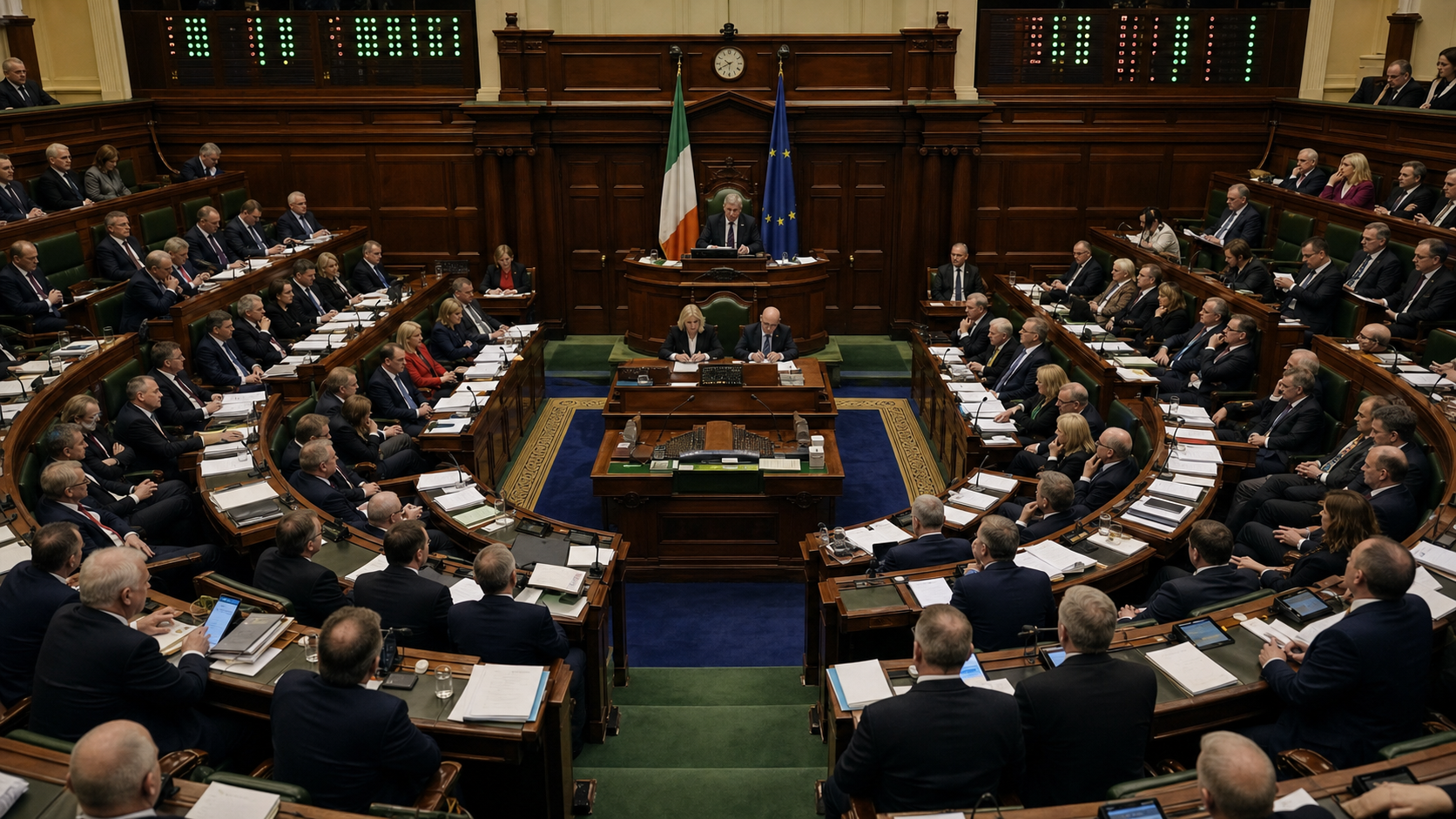
The castle talks are expected to continue through the coming week, with a target of reaching an agreement before the summer recess begins in late July. If an agreement is reached, it will need to be ratified by the Northern Ireland Assembly, which will require cross-community support. If no agreement is reached, the Department of Finance will need to implement contingency measures to manage the budget shortfall, which could include the deferral of capital projects, the imposition of spending controls on departments, and the activation of emergency powers under the Northern Ireland Act 1998. The Health Trust chairs have indicated they will continue to speak publicly about the situation and will not hesitate to escalate their concerns to the Regulation and Quality Improvement Authority if the response from Stormont and Westminster is not adequate.