Coalition Divided as Dáil Backs Bill to Scrap Abortion Three-Day Waiting Period
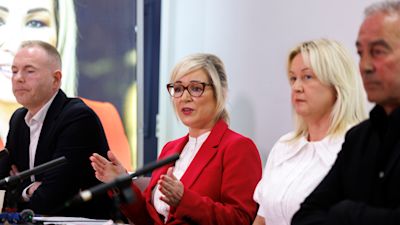
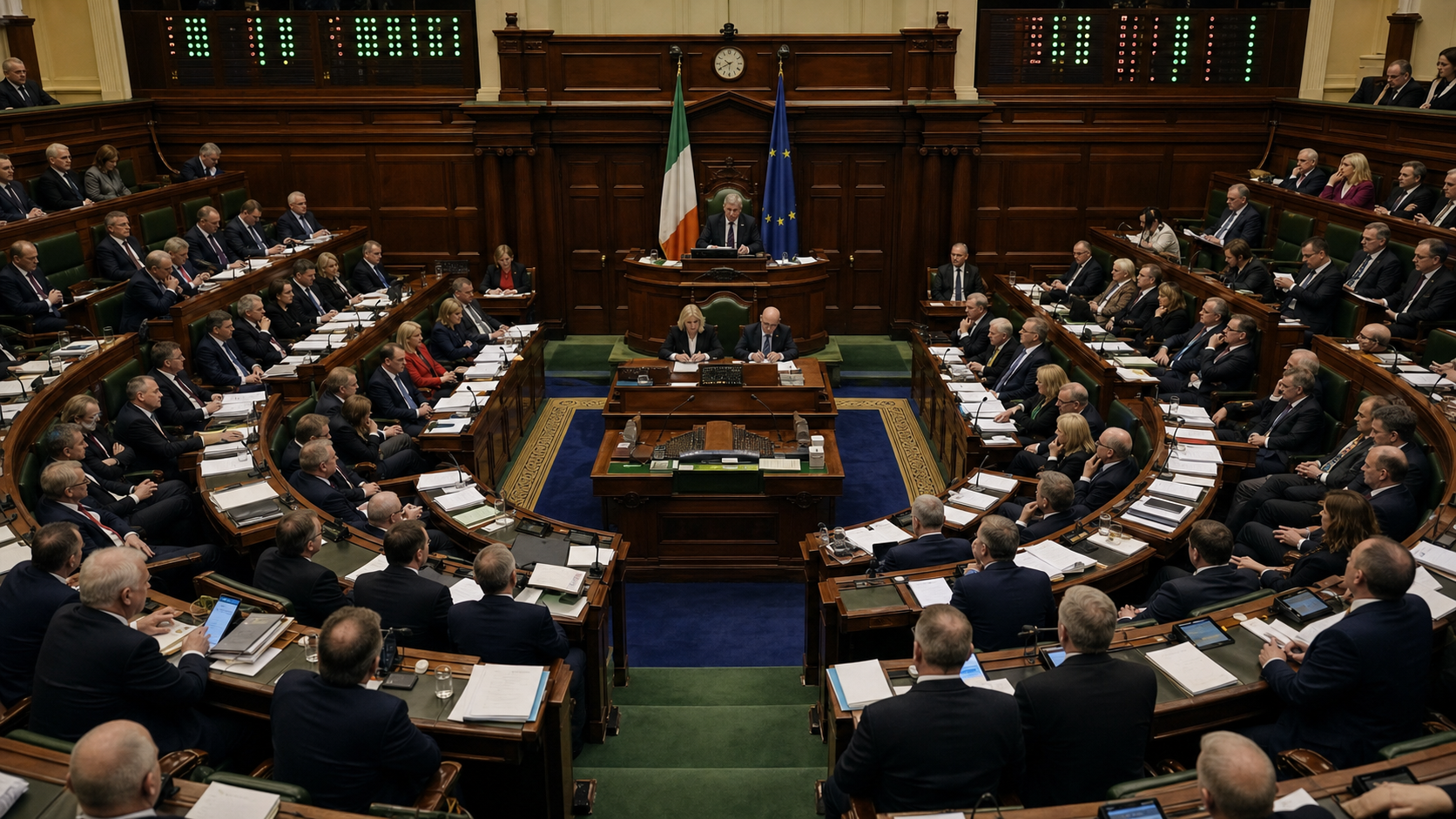
The Dáil passed the second stage of a Sinn Féin bill to abolish the mandatory three-day waiting period for abortion services by 86 votes to 70 on June 17, with a free vote granted to government TDs — a result that exposed a significant and public split within the coalition, with Taoiseach Micheál Martin and Tánaiste Simon Harris supporting the bill while a majority of their own backbench colleagues and several cabinet ministers voted against it.
Background
The three-day waiting period for abortion services was a central feature of the Health (Regulation of Termination of Pregnancy) Act 2018, which gave effect to the result of the May 2018 referendum in which 66.4% of Irish voters chose to repeal the Eighth Amendment to the Constitution. The waiting period — which requires a woman to attend an initial consultation and then wait three days before returning for the termination — was included in the legislation as a compromise measure, intended to provide a period of reflection while ensuring that the service was accessible.
From the outset, the waiting period was controversial. Advocates for abortion access argued that it was a medically unnecessary barrier that caused distress to women who had already made their decision, forced some to travel abroad for earlier access, and added to the administrative burden on already stretched GP services. Supporters of the waiting period argued that it was an important safeguard that had been part of the democratic mandate given by voters in 2018 and should not be removed without a further democratic process.
An independent review of the 2018 Act, published in 2023, recommended the removal of the three-day waiting period, citing evidence that it did not change outcomes but did create unnecessary barriers to care. The government committed to implementing the review's recommendations, but progress was slow, creating an opening for Sinn Féin to introduce its own private member's bill.
Key Developments
The Dáil vote on June 17 was the most significant parliamentary division on abortion since the passage of the 2018 Act. The decision to grant a free vote to government TDs — allowing them to vote according to their conscience rather than the party whip — was itself a significant political decision, reflecting the government's recognition that the issue cuts across traditional party lines in a way that makes collective cabinet responsibility difficult to maintain.
The result — 86 in favour, 70 against — was closer than some had anticipated, reflecting the genuine division of opinion within the Oireachtas on the issue. Taoiseach Micheál Martin and Tánaiste Simon Harris both voted in favour of the bill, arguing that the evidence from the independent review was clear and that the three-day wait creates an unnecessary barrier to care without changing outcomes. However, a majority of Fianna Fáil and Fine Gael backbench TDs voted against the bill, as did several cabinet ministers, including Minister for Justice Jim O'Callaghan and Minister for Education Norma Foley.
The Labour Party, led by Ivana Bacik, voted unanimously in favour of the bill, as did the Social Democrats and People Before Profit. Sinn Féin, which introduced the bill, also voted unanimously in favour. The result means the bill will proceed to committee stage, where it will be subject to detailed scrutiny and potential amendment.
Why It Matters
The vote has exposed a fault line within the coalition government that goes beyond the specific question of the three-day waiting period. It reveals a deeper ideological divide between the more socially conservative wing of Fianna Fáil and Fine Gael — represented by ministers like O'Callaghan and Foley — and the more liberal wing represented by the Taoiseach and Tánaiste. This divide has implications not just for abortion policy but for a range of other social issues that are likely to come before the Oireachtas in the coming years.
The vote also has political implications for Sinn Féin, which has successfully used the private member's bill mechanism to force a division on an issue where it is aligned with the majority of public opinion. Polling consistently shows that a majority of Irish voters support the removal of the three-day waiting period, and Sinn Féin's ability to deliver a Dáil majority on the issue — even against the formal position of the government — demonstrates its continued political effectiveness in opposition.
For the government, the challenge is to manage the internal divisions exposed by the vote without allowing them to destabilise the coalition. The free vote mechanism has provided a safety valve, but the public nature of the split — with cabinet ministers voting against the Taoiseach's position — is not a comfortable situation for any government to be in, particularly at the start of Ireland's EU Presidency.
Local Impact
The practical impact of the bill, if it becomes law, will be felt most directly by women seeking abortion services across Ireland. The removal of the three-day waiting period would mean that women could access a termination at their first appointment with a GP or at a clinic, rather than having to make two separate visits. For women in rural areas, where access to abortion services is already more limited than in urban centres, the removal of the waiting period would be a particularly significant improvement.
GPs who provide abortion services have broadly welcomed the proposal, noting that the waiting period adds to the administrative burden on their practices and creates distress for patients who have already made their decision. The Irish College of General Practitioners has previously called for the removal of the waiting period on clinical grounds, and its position is likely to be influential in the committee stage debate.
What's Next
The bill will now proceed to committee stage in the Dáil, where it will be examined in detail by the Joint Committee on Health. The committee is expected to hear evidence from medical professionals, advocacy groups, and other stakeholders before reporting back to the Dáil. The government has indicated that it will engage constructively with the committee process, though it has not committed to supporting the bill through all remaining stages. A final vote on the bill is expected before the end of 2026.