Sinn Féin Moves to End Stormont 'Veto Politics' with Major Reform Proposals
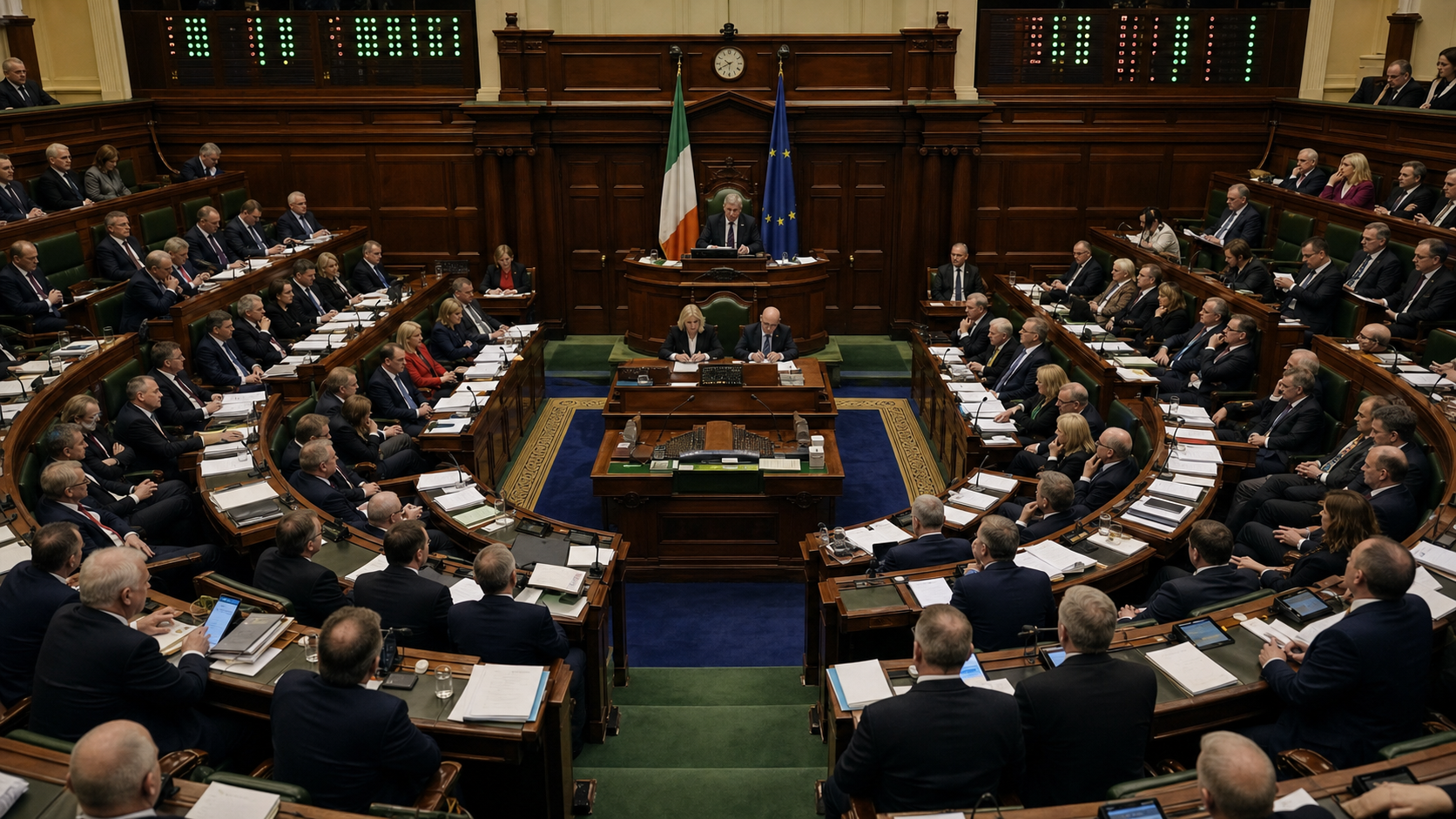
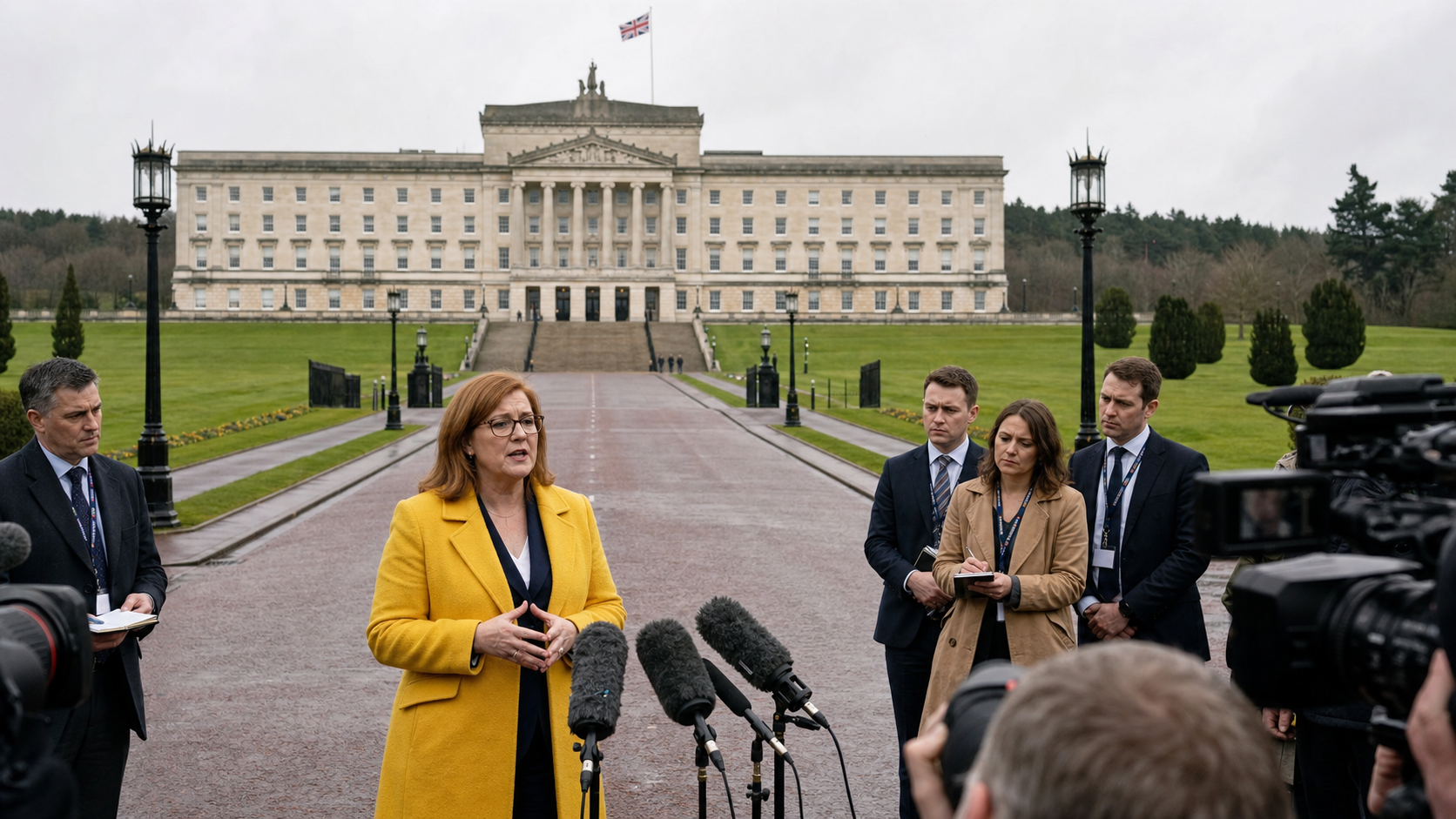
Sinn Féin has published a comprehensive reform document proposing significant changes to the structures of the Northern Ireland Assembly and Executive, with First Minister Michelle O'Neill arguing that the current system — which allows a single party to collapse the institutions or block progress — must be replaced with arrangements that guarantee stable, effective government for all citizens of Northern Ireland.
Background
The power-sharing institutions established under the Good Friday Agreement of 1998 were designed to ensure that both the unionist and nationalist communities in Northern Ireland had a meaningful share of political power. The mechanisms put in place to achieve this — including the requirement for cross-community consent on key decisions, the joint office of First and deputy First Minister, and the d'Hondt system for allocating ministerial portfolios — were a product of their time, reflecting the specific political circumstances of the late 1990s and the need to build confidence between communities that had been in violent conflict for three decades.
In the years since, those mechanisms have been tested repeatedly by political crises. The institutions have collapsed on three occasions — in 2002, 2017, and 2022 — each time as a result of one or more parties withdrawing from the Executive. The most recent collapse, triggered by the DUP's withdrawal over post-Brexit trading arrangements, lasted two years and left Northern Ireland without a functioning government during a period of significant economic and social challenge.
The Alliance Party, which has grown significantly in electoral support in recent years and now occupies the position of the third-largest party in the Assembly, has been the most vocal advocate for institutional reform, arguing that the binary unionist-nationalist framework of the Good Friday Agreement no longer reflects the political reality of a society in which a growing proportion of voters identify as neither unionist nor nationalist.
Key Developments
Sinn Féin's reform document, "Building Better Politics," was published in June 2026 and sets out a series of specific proposals for changing the rules that govern the Assembly and Executive. The most significant proposal is the removal of the joint veto currently held by the First and deputy First Minister — a mechanism that allows either the largest unionist or the largest nationalist party to collapse the institutions by withdrawing from the Executive. Sinn Féin argues that this veto has been used as a political weapon rather than a safeguard, and that its removal would make the institutions more stable and more effective.
The document also proposes ending the requirement for a cross-community vote to elect a Stormont Speaker — a provision that has occasionally created difficulties when the two largest parties cannot agree on a candidate — and normalising the process for appointing a Justice Minister, which currently requires a cross-community vote in the Assembly. These changes, Sinn Féin argues, would reduce the number of potential flashpoints that can be exploited to create political crises.
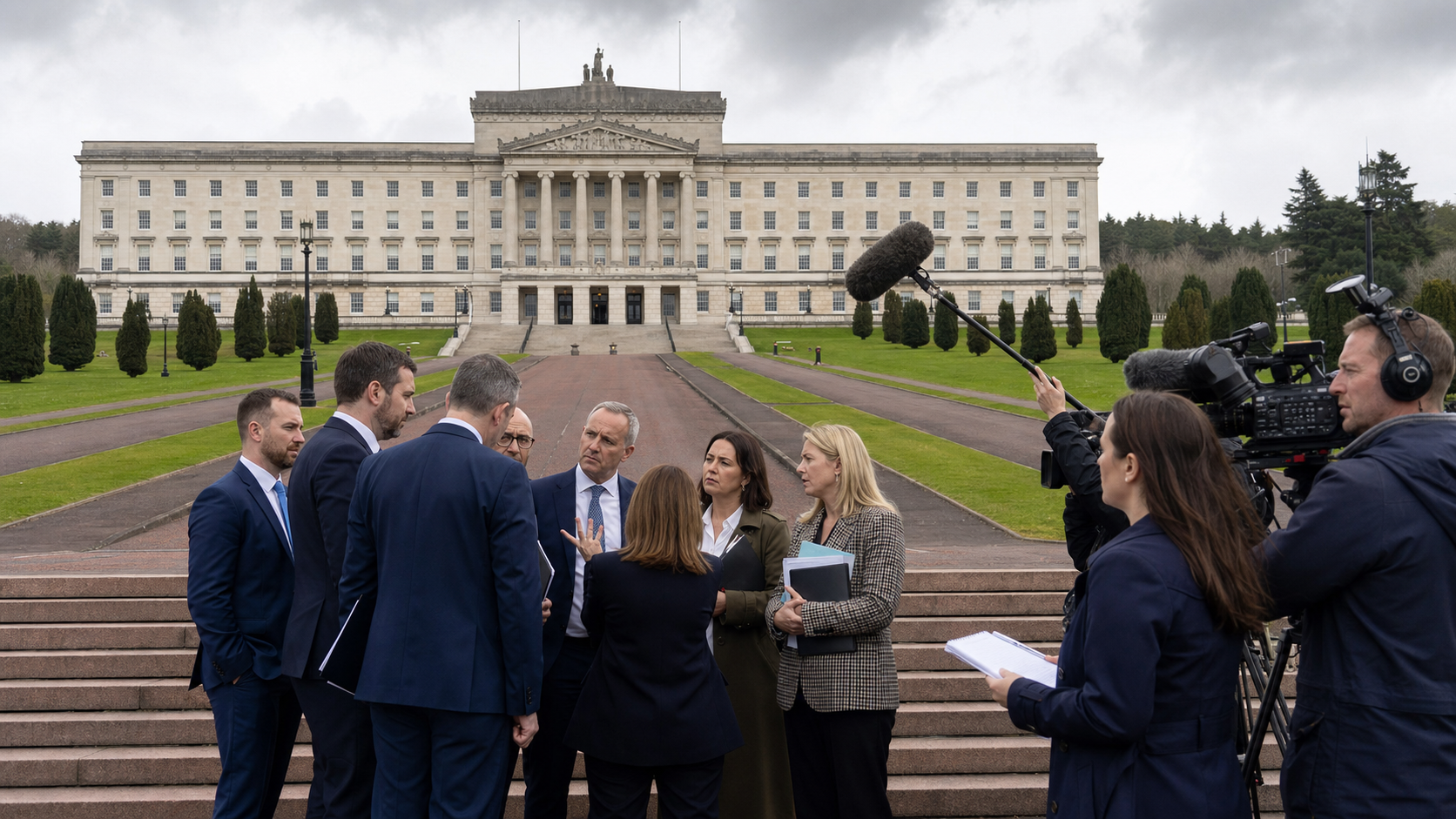
The DUP's response has been cautious. Party leader Gavin Robinson has acknowledged the need for the institutions to function more effectively but has argued that structural changes alone will not fix a broken system, and that what is needed is a willingness from all parties to work constructively within the agreed framework. The Alliance Party has broadly welcomed the direction of travel, though it has argued that the reforms do not go far enough in addressing the binary unionist-nationalist framework that it regards as the fundamental structural problem.
Why It Matters
The debate about reforming the Stormont institutions goes to the heart of the question of what kind of political system Northern Ireland needs for the twenty-first century. The Good Friday Agreement was a remarkable achievement, but it was designed for a specific political moment that has now passed. The growth of the Alliance Party, the changing demographics of Northern Ireland, and the experience of three institutional collapses in twenty-five years all suggest that the current arrangements are not fit for purpose in the long term.
Sinn Féin's decision to publish a detailed reform document is a significant strategic move. It positions the party as a constructive actor seeking to strengthen the institutions, rather than a party that benefits from their dysfunction. It also puts pressure on the DUP to engage with the reform agenda rather than simply defending the status quo — a position that is increasingly difficult to sustain given the public's evident frustration with the repeated collapses of devolved government.
The timing of the proposals — coming amid a budget deadlock that has exposed the dysfunctionality of the current arrangements — is not coincidental. Sinn Féin is making the argument that the budget crisis is a symptom of a deeper structural problem, and that the solution lies in institutional reform rather than simply in the parties agreeing to work together more constructively.
Local Impact
For citizens across Northern Ireland, the debate about institutional reform is ultimately about whether they can rely on their devolved government to function consistently and to deliver the public services they need. The two-year collapse of the institutions between 2022 and 2024 had real and tangible consequences: decisions on health, education, and infrastructure were delayed, civil servants were left without political direction, and the public's confidence in devolved government was severely damaged.
In communities across Belfast, Derry, Newry, and the rural areas of all six counties, the question of whether Stormont can be made to work reliably is not an abstract constitutional matter — it is a question about whether the health service will be adequately funded, whether schools will have the resources they need, and whether the infrastructure investment that communities have been promised will actually be delivered.
What's Next
Sinn Féin's reform proposals will be the subject of debate in the Assembly in the coming weeks, with the party expected to bring forward a motion calling for a formal review of the institutions' structures. The British and Irish governments, as co-guarantors of the Good Friday Agreement, will need to be involved in any formal process of institutional reform, and both governments have indicated that they are open to a conversation about how the institutions can be made more resilient. The next scheduled review of the Good Friday Agreement's institutions is due in 2027, but the current political pressure may accelerate that timeline.