Stormont Reform Debate Intensifies as Alliance Threatens Executive Withdrawal
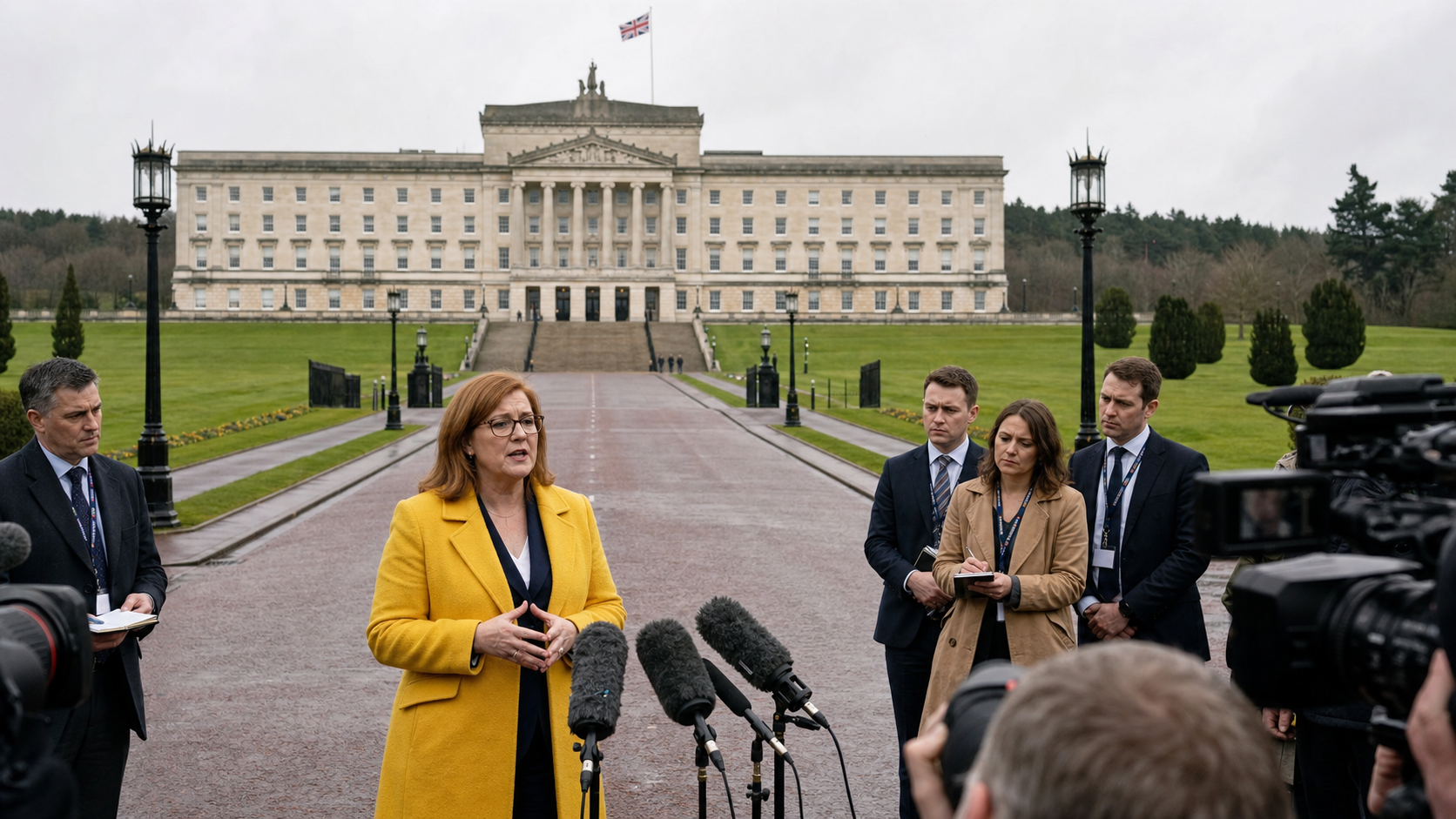
Alliance Party leader Naomi Long has threatened to withdraw her party from the Stormont Executive if reforms to the power-sharing governance structures are not implemented, arguing that the current system — which allows any party to collapse the institutions by withdrawing — creates perverse incentives for political brinkmanship that are preventing effective government in Northern Ireland.
Background
The Alliance Party has been the most consistent advocate for reform of the Stormont institutions since its emergence as a significant electoral force in the 2022 Assembly elections. The party, which designates as "other" rather than unionist or nationalist, has argued that the current power-sharing arrangements — designed in the late 1990s to manage the transition from conflict — are no longer fit for purpose in a Northern Ireland where a growing proportion of the population does not identify with either traditional community designation.
The specific reforms Alliance has been pressing for include the removal of the requirement for MLAs to designate as unionist, nationalist, or other — a requirement that Alliance argues entrenches sectarian divisions rather than transcending them — and changes to the petition of concern mechanism, which has been used to block legislation on a range of issues from same-sex marriage to child welfare. The party has also called for changes to the d'Hondt system for allocating ministerial portfolios, which it argues creates a government of parties rather than a government with a coherent programme.
The Alliance Party's electoral growth has been one of the most significant developments in Northern Ireland politics in recent years. The party won 17 seats in the 2022 Assembly elections, making it the third-largest party, and has continued to grow its vote share in subsequent elections. Its support base is concentrated among younger, more educated voters who are less attached to traditional community identities and more focused on issues like the cost of living, climate change, and public service quality.
Key Developments
Long's threat to withdraw Alliance from the Executive came in the context of the ongoing budget deadlock and the DUP's threatened use of a petition of concern to block the age of criminal responsibility change. She argued that these two developments illustrate the fundamental dysfunction of the current system — a system in which a minority party can veto the budget and block child welfare legislation, while the majority of MLAs and the majority of the public support a different course of action.
"We entered this Executive in good faith, committed to making power-sharing work," Long said. "But power-sharing requires all parties to share power responsibly — to use the mechanisms of the institutions to advance the public interest, not to advance narrow party interests. What we are seeing is the opposite of that, and it cannot continue indefinitely."
Long set a deadline of the end of July for meaningful progress on institutional reform, after which Alliance will review its position on continued participation in the Executive. She stopped short of specifying what "meaningful progress" would look like, but indicated that a commitment from the UK government to legislate for specific reforms would be the minimum required.
The UK government's Northern Ireland Office has indicated it is open to discussing institutional reform but has stopped short of committing to specific changes. Secretary of State for Northern Ireland Hilary Benn has said he wants to see the institutions working effectively and is prepared to facilitate discussions between the parties, but has emphasised that any reforms must command cross-community support.
Why It Matters
Alliance's threat to withdraw from the Executive is significant because it comes from a party that has consistently positioned itself as the defender of stable, effective government. If Alliance — which holds the Justice Ministry and several other portfolios — were to withdraw, it would trigger a crisis that could ultimately lead to another suspension of the institutions and the imposition of direct rule from Westminster.
The prospect of direct rule is deeply unwelcome to all parties, including the DUP, which has historically been the most willing to collapse the institutions when it felt its interests were not being served. The threat of direct rule has historically been one of the most effective levers for forcing compromise at Stormont, and Long's willingness to invoke it — even implicitly — reflects the seriousness of the current situation.
The reform debate also has implications for the longer-term future of the institutions. The Good Friday Agreement is now nearly 30 years old, and the political landscape it was designed to manage has changed dramatically. A growing body of opinion — including within the unionist community — accepts that some reform of the institutions is necessary, even if there is disagreement about what form that reform should take.
Local Impact
The political uncertainty generated by the reform debate has real consequences for the delivery of public services. Departments are reluctant to make long-term commitments when the future of the Executive is uncertain, and the private sector is cautious about major investment decisions in an environment of political instability. The business community in Belfast and across Northern Ireland has been vocal in its frustration with the recurring cycles of political crisis, arguing that they damage Northern Ireland's reputation as a place to do business.
For ordinary citizens, the most immediate impact is the failure to agree a budget and the consequent inability of departments to plan and deliver services effectively. The health service, the education system, and the justice system are all operating under significant constraints that are directly attributable to the political dysfunction at Stormont.
What's Next
The UK government is expected to convene a round of talks with the Executive parties on institutional reform before the end of July. The talks will be chaired by the Secretary of State and will focus on the specific changes that Alliance and other parties have been pressing for. The DUP has indicated it is open to discussing reform but has set conditions that include a commitment from the UK government to address the overall funding settlement for Northern Ireland. Sinn Féin has expressed support for reform in principle but has emphasised that any changes must not undermine the cross-community consent mechanisms that are central to the Good Friday Agreement.