Fianna Fáil and Fine Gael Signal Historic Shift Towards Formal Irish Unity Planning
Ireland's two dominant parties of government have signalled what may prove to be a historic shift in their approach to the constitutional question, with Fianna Fáil's Justice Minister Jim O'Callaghan calling for the next government to formally prepare for an Irish unity referendum and Tánaiste Simon Harris committing Fine Gael to publishing a detailed 'blueprint for unity' by November 2026 — a convergence that represents the most significant evolution in mainstream Dublin politics on the question of Irish unity since the Good Friday Agreement.
Background
The relationship between Ireland's two largest parties and the question of Irish unity has always been complex. Both Fianna Fáil and Fine Gael are constitutionally committed to the aspiration of a united Ireland, but both have historically been cautious about translating that aspiration into concrete policy action, preferring to emphasise the importance of consent, the need for careful preparation, and the risks of moving too quickly on a question with profound implications for social cohesion and economic stability on both sides of the border.
This caution has been a source of frustration for Sinn Féin, which has consistently argued that the two parties' commitment to unity is rhetorical rather than substantive, and that their reluctance to engage in formal referendum planning reflects a lack of genuine political will. The Shared Island initiative, launched by Taoiseach Micheál Martin in 2020, was designed in part to demonstrate that the government was taking the issue seriously, but it has been criticised by some as a mechanism for deferring rather than advancing the constitutional question.
The political context has changed significantly in recent years. Sinn Féin's emergence as the largest party in the Dáil, its continued strong poll ratings, and the growing body of academic and policy research on the practicalities of Irish unity have all contributed to a shift in the political centre of gravity. The Good Friday Agreement's provision for a border poll — which requires the Secretary of State for Northern Ireland to call a referendum if it appears likely that a majority in Northern Ireland would vote in favour — has moved from a theoretical possibility to a subject of serious political planning.
Key Developments
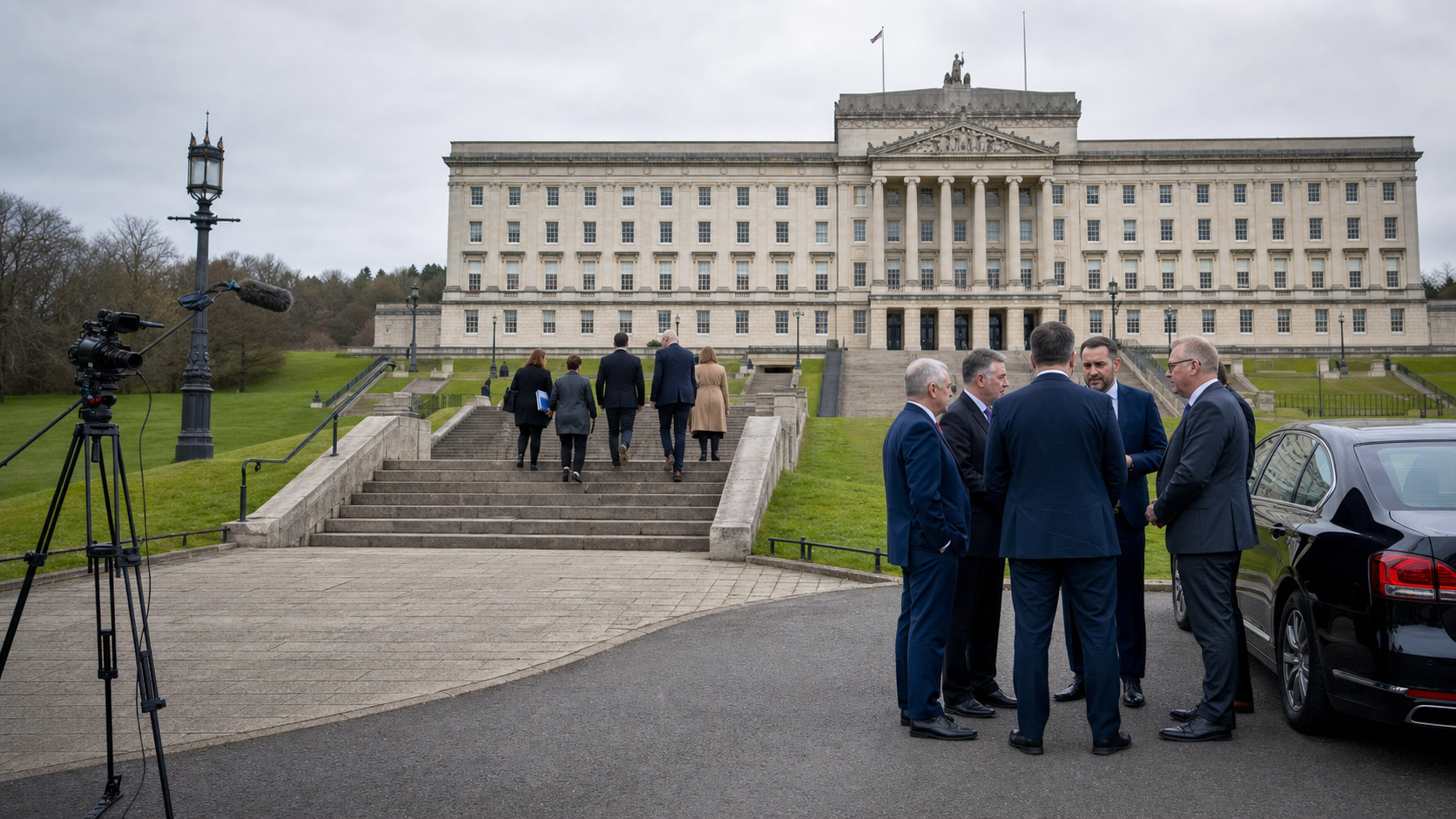
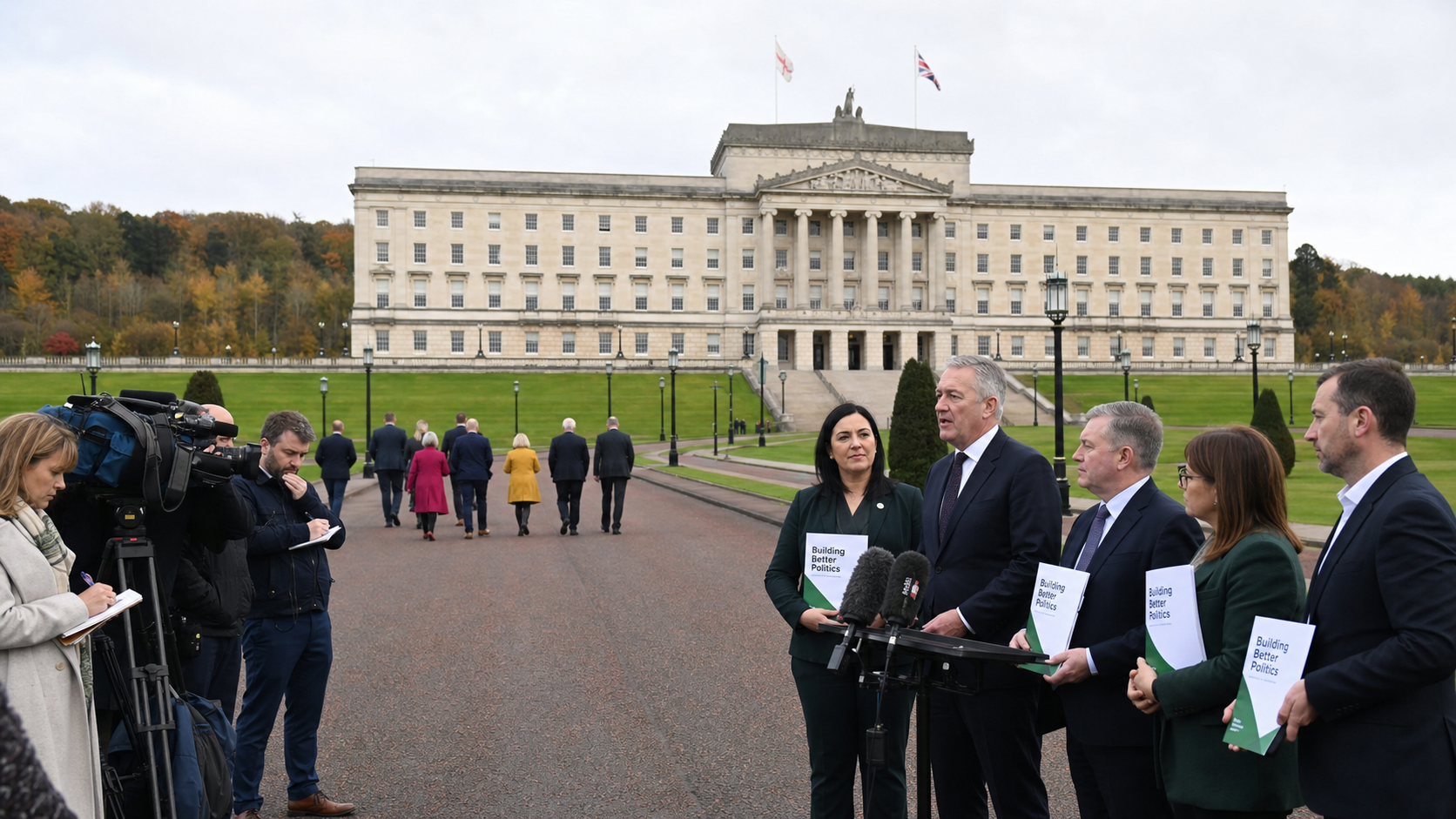
The convergence of Fianna Fáil and Fine Gael on formal unity planning has been crystallised by two significant interventions in the space of a few weeks. Tánaiste Simon Harris announced in June that Fine Gael would produce a 'blueprint for unity' by November 2026 — a detailed policy document setting out the party's vision for how a united Ireland might be structured and governed. This was followed on 3 July by Justice Minister Jim O'Callaghan's call, delivered at a conference in Belfast, for the next Irish government to begin formal preparations for a unity referendum, including the development of detailed policy positions on the key questions that would need to be resolved.
O'Callaghan argued that an Irish government should 'articulate what it would be prepared to recommend to its citizens' in a unity poll, moving beyond the current approach of facilitating dialogue and research to the development of concrete policy proposals. He identified a range of issues that would need to be addressed, including the structure of government in a united Ireland, the future of the health service, the constitutional status of Northern Ireland's institutions, and the protection of the rights of all communities, including the unionist community.
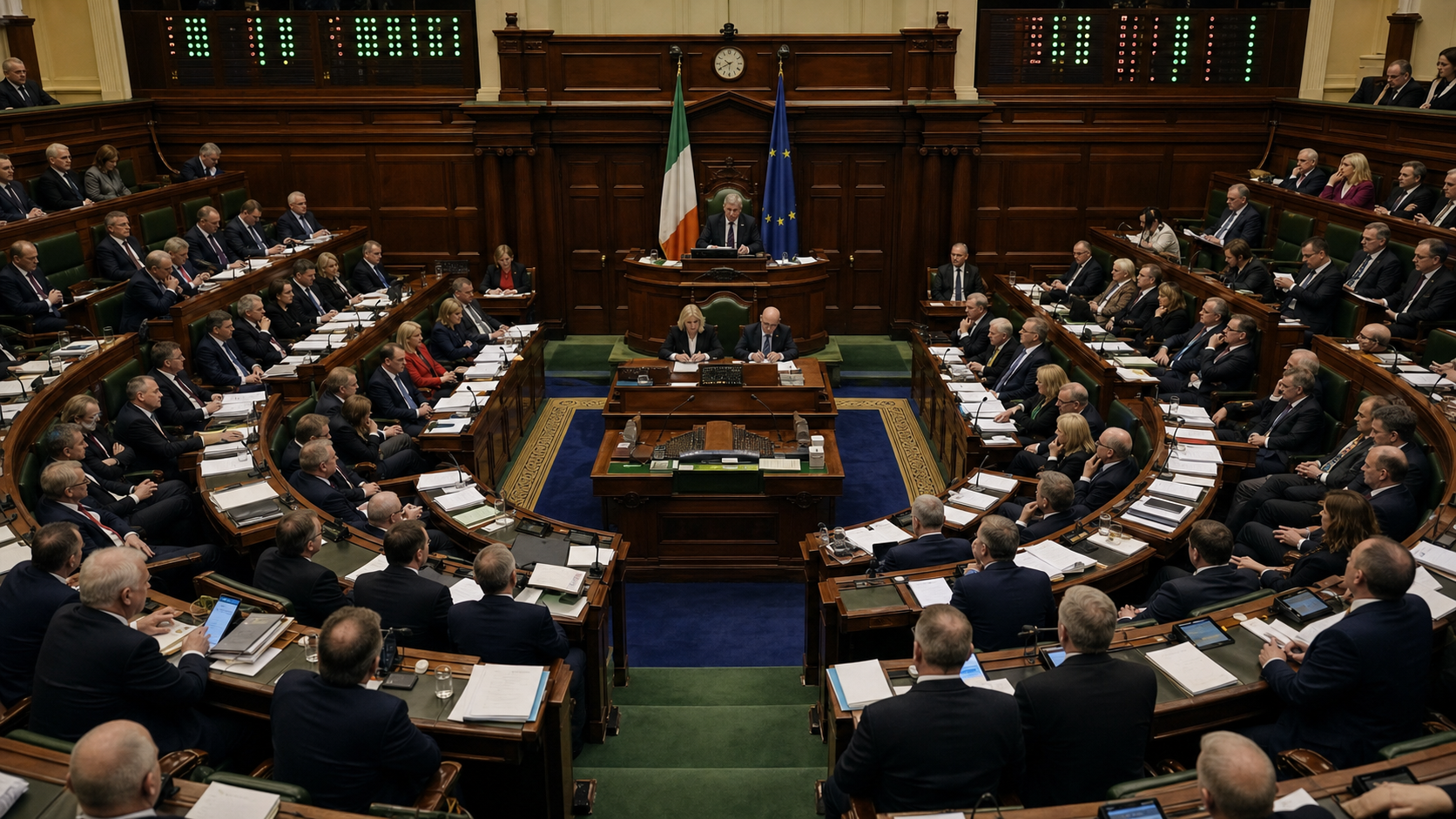
Sinn Féin has welcomed the moves but challenged the government to go further, supporting its existing legislative proposals for a citizens' assembly on Irish unity. The party has argued that a citizens' assembly would provide a structured and inclusive forum for the public to engage with the key questions around unity, and that its establishment should not wait for the next general election. The SDLP has also welcomed the development, while unionist parties have expressed concern about the direction of travel.
Why It Matters
The convergence of Fianna Fáil and Fine Gael on formal unity planning is historically significant for several reasons. These are the two parties that have dominated Irish politics since the foundation of the state, and their willingness to move beyond the cautious language of the Shared Island initiative towards explicit referendum preparation represents a genuine shift in the political centre of gravity in Dublin. The timing is also significant: Ireland's EU Council Presidency provides a platform for the Taoiseach to engage with European partners on the implications of Irish unity for EU membership and institutional arrangements — a conversation that has been largely theoretical until now. The Belfast setting for O'Callaghan's speech was deliberate, signalling that the Dublin government is prepared to make the case for unity directly to Northern Irish audiences. This is a departure from the traditional approach of conducting the debate primarily within the Republic, and it reflects a recognition that any unity process will require genuine engagement with all communities on the island.
Local Impact
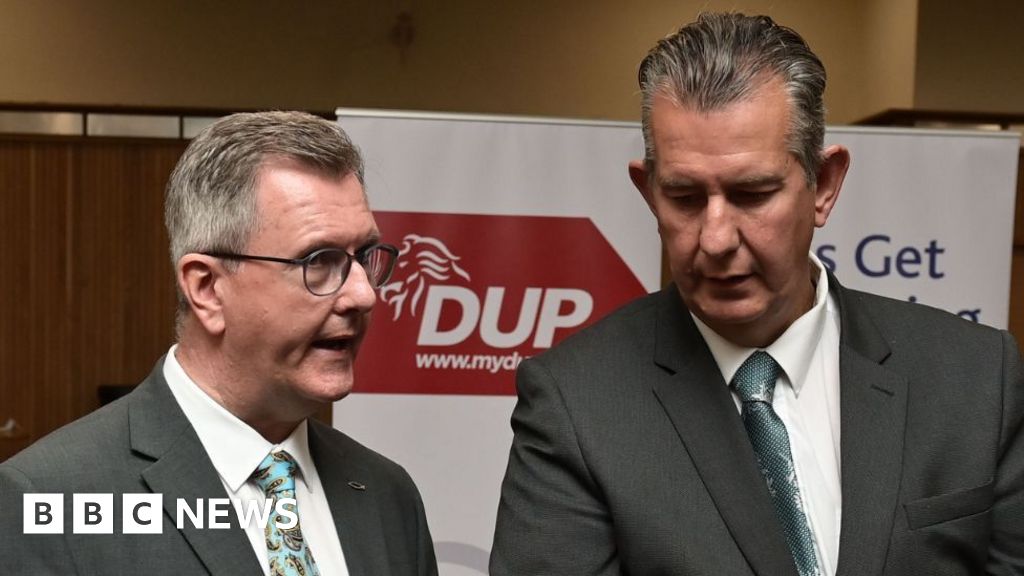
The political impact of the Fianna Fáil-Fine Gael convergence will be felt across Northern Ireland's political landscape. For nationalist and republican parties, the development will be broadly welcomed as evidence that the Dublin government is taking the constitutional question seriously. For unionist parties — the DUP, the Ulster Unionist Party, and the Traditional Unionist Voice — the intervention will be viewed with deep concern, as evidence that the political momentum towards a unity referendum is building in ways that they have limited capacity to influence. In communities across Northern Ireland, from the nationalist heartlands of west Belfast and Derry to the unionist strongholds of east Belfast and north Antrim, the prospect of a unity referendum — however distant — is a source of both hope and anxiety, and the latest political developments will reignite those conversations in homes, workplaces, and community centres across the six counties.
What's Next
Fine Gael's 'blueprint for unity' is expected to be published in November 2026, providing the first detailed policy document from a major Irish government party on the practical arrangements for a united Ireland. Fianna Fáil is expected to respond with its own policy document in the months that follow. The Sinn Féin-sponsored citizens' assembly legislation is expected to be debated in the Dáil in the autumn session, and the government's response to that legislation will be closely watched. The Taoiseach is expected to raise the issue of Irish unity with EU partners during Ireland's Council Presidency, seeking to build understanding of the constitutional and institutional implications of potential unification. The next Irish general election, expected in 2027, is likely to see Irish unity feature prominently as a campaign issue for the first time in a generation.