Stormont Budget Crisis: Bryant Talks Signal New Phase as Parties Demand Structural Reform Alongside Emergency Funding
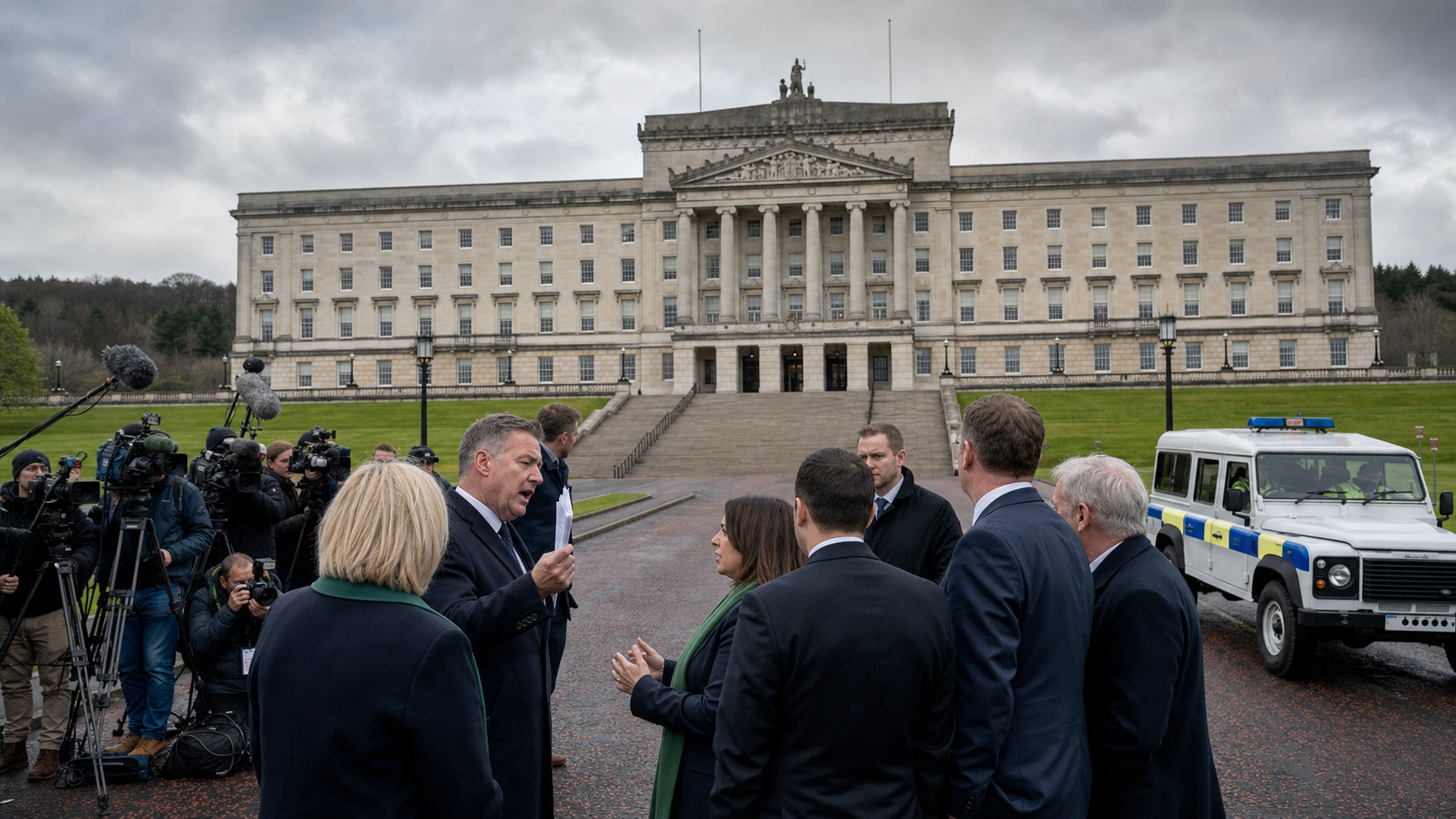
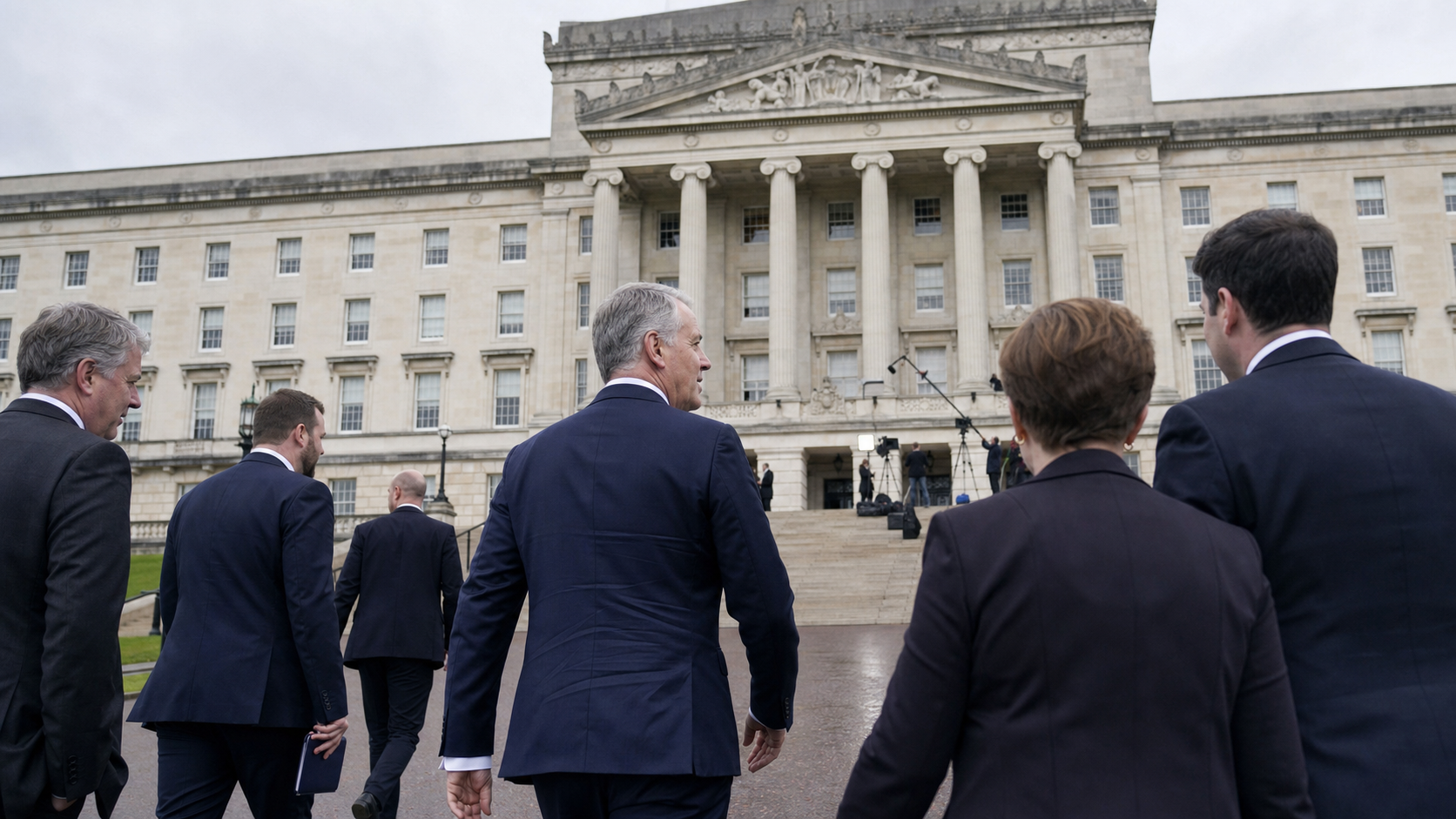
The arrival of Northern Ireland Secretary Sir Chris Bryant at Stormont on Monday for his first official visit as Secretary of State has opened what political sources are describing as a new and more substantive phase in the effort to resolve the budget crisis that has paralysed the Northern Ireland Executive for five months, with all five main parties using the talks to press not just for emergency financial support from Westminster but for fundamental reform of the Assembly's power-sharing institutions.
Background
The Northern Ireland Executive has been unable to agree a formal budget since April, a failure that has forced departments to operate on emergency spending authority — capped at 95 per cent of the previous year's allocation — and has prevented any new capital commitments or service developments. The deadlock reflects a fundamental disagreement between the Executive parties and the Westminster government about the level of additional financial support that Northern Ireland requires, a disagreement that has been complicated by the transition from the previous Conservative government to the current Labour administration under Prime Minister Andy Burnham.
Bryant's appointment as Secretary of State earlier this year was widely welcomed by Stormont's parties, who had found his predecessor's approach insufficiently engaged with the specific challenges facing Northern Ireland. His visit in late July — during which he described himself as arriving with a "checklist rather than a cheque book" — was interpreted as a listening exercise, and Monday's visit was anticipated as the moment when that listening would translate into more concrete engagement.
The institutional reform dimension of the talks reflects a growing consensus among Stormont's parties — with the notable exception of the DUP — that the current power-sharing arrangements are structurally flawed in ways that make periodic collapse almost inevitable. The mechanism that allows the largest nationalist or unionist party to block the formation of an Executive by refusing to nominate a First or Deputy First Minister has been used to collapse the Assembly on multiple occasions, and there is increasing pressure on the UK government to address this vulnerability as part of any broader settlement.
Key Developments
Monday's talks were structured as a series of bilateral meetings between Bryant and each of the five main parties, followed by a plenary session with the Executive. The bilateral format allowed each party to make its case privately before the more public plenary discussion. Sources close to the talks indicated that the Secretary of State was seeking to understand the specific financial pressures facing each department — health, education, infrastructure — before returning to London with a clearer picture of what additional support might be required and on what terms.
On institutional reform, the discussions were more exploratory but no less significant. Sinn Féin's proposals for removing the "veto" mechanism were presented formally to Bryant for the first time, while Alliance Justice Minister Naomi Long argued that financial stabilisation and institutional reform must be pursued simultaneously rather than sequentially. The SDLP's Claire Hanna called for a "change in approach" from both Stormont and Westminster, arguing that the current cycle of crisis and managed decline was unsustainable. The DUP, while engaging constructively with the budget discussions, was more cautious on institutional reform, arguing that any changes must preserve the principle of cross-community consent.
Why It Matters
The Stormont budget crisis is not an abstract political dispute — it has real and immediate consequences for public services across Northern Ireland. The health service, already under severe pressure from record waiting lists, cannot proceed with planned service developments. Schools have been warned that capital maintenance budgets may be cut. Infrastructure projects that would improve connectivity and economic opportunity across the region are on hold. The longer the crisis continues, the greater the damage to public services and to public confidence in the devolved institutions. Bryant's visit represents the most significant opportunity in months to break the deadlock, and the political pressure on all parties — including the UK government — to reach an agreement is considerable.
Local Impact
The practical consequences of the budget impasse are felt most acutely in the communities that depend most heavily on public services. In North and West Belfast, where demand for social housing, mental health support, and educational intervention is highest, the inability to commit to new spending has left community organisations in limbo. In Derry, planned improvements to the city's public transport network are on hold. In rural Fermanagh and Tyrone, where public services are already stretched thin, the prospect of further cuts is a source of genuine anxiety. The Southern Health and Social Care Trust has confirmed that a planned expansion of community mental health services in Armagh and Newry has been deferred indefinitely, a decision that will have direct consequences for some of the most vulnerable people in the region.
What's Next
Bryant is expected to return to Westminster this week with a report on the talks, which will inform discussions within the UK government about the level of additional financial support it is prepared to offer. A further round of talks is expected in October, ahead of the UK Autumn Statement. The Executive parties have been given until the end of September to submit formal proposals on institutional reform. If no agreement is reached by the end of October, there is growing speculation that the Secretary of State may need to consider more direct intervention in the budget process — a step that would represent a significant escalation and one that all parties would prefer to avoid.